the World is more than the Sum of its Parts

Author: admin (Page 2 of 4)

The Five Batumis of Georgia

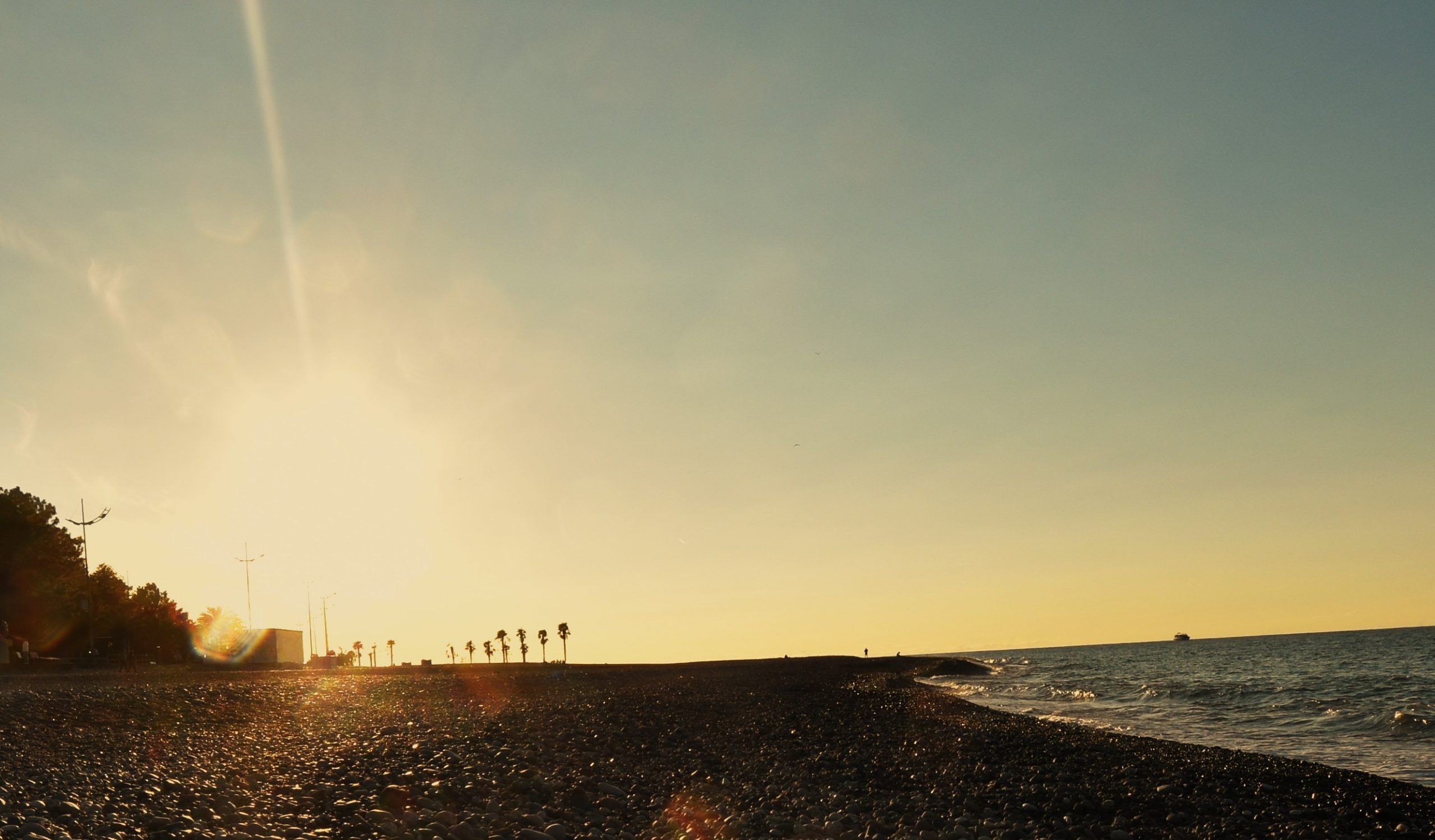
Batumi is the second biggest city in Georgia, home to around 180,000 residents. It’s famous for its beaches, even though they’re rocky—no sand anywhere. During the season, Batumi can get very busy. There’s a lot of gambling here, and wealthy Russians come to enjoy themselves.

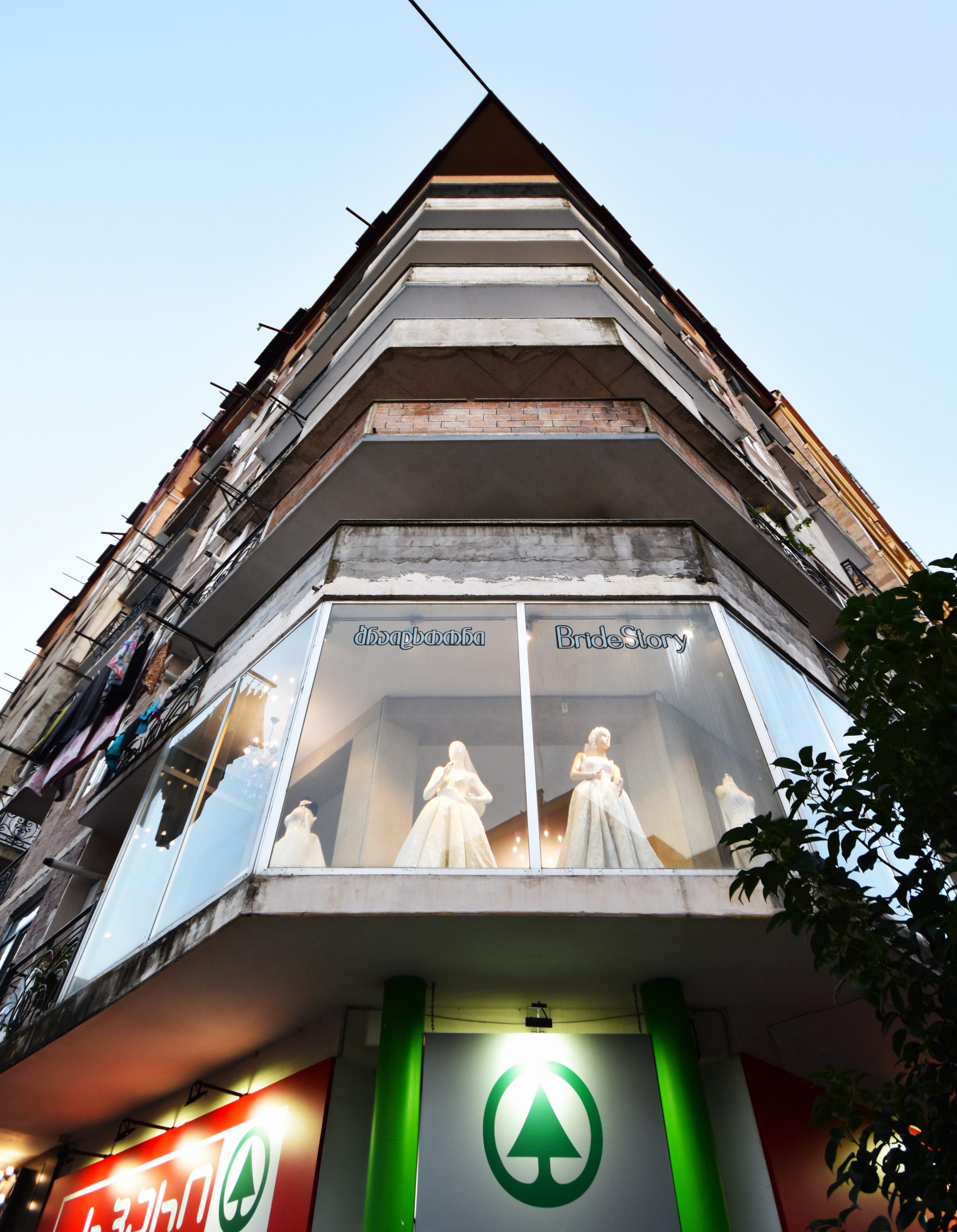
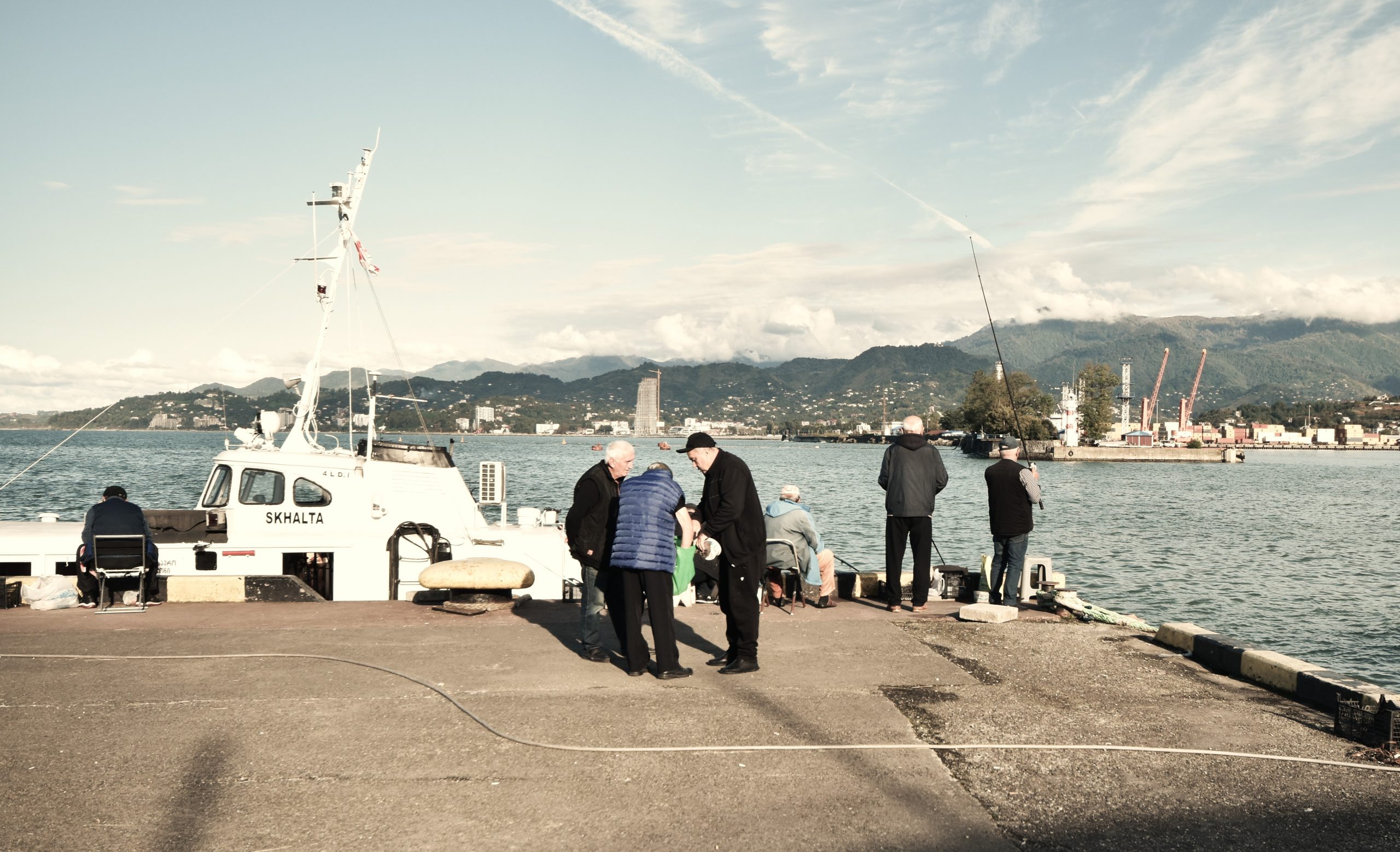
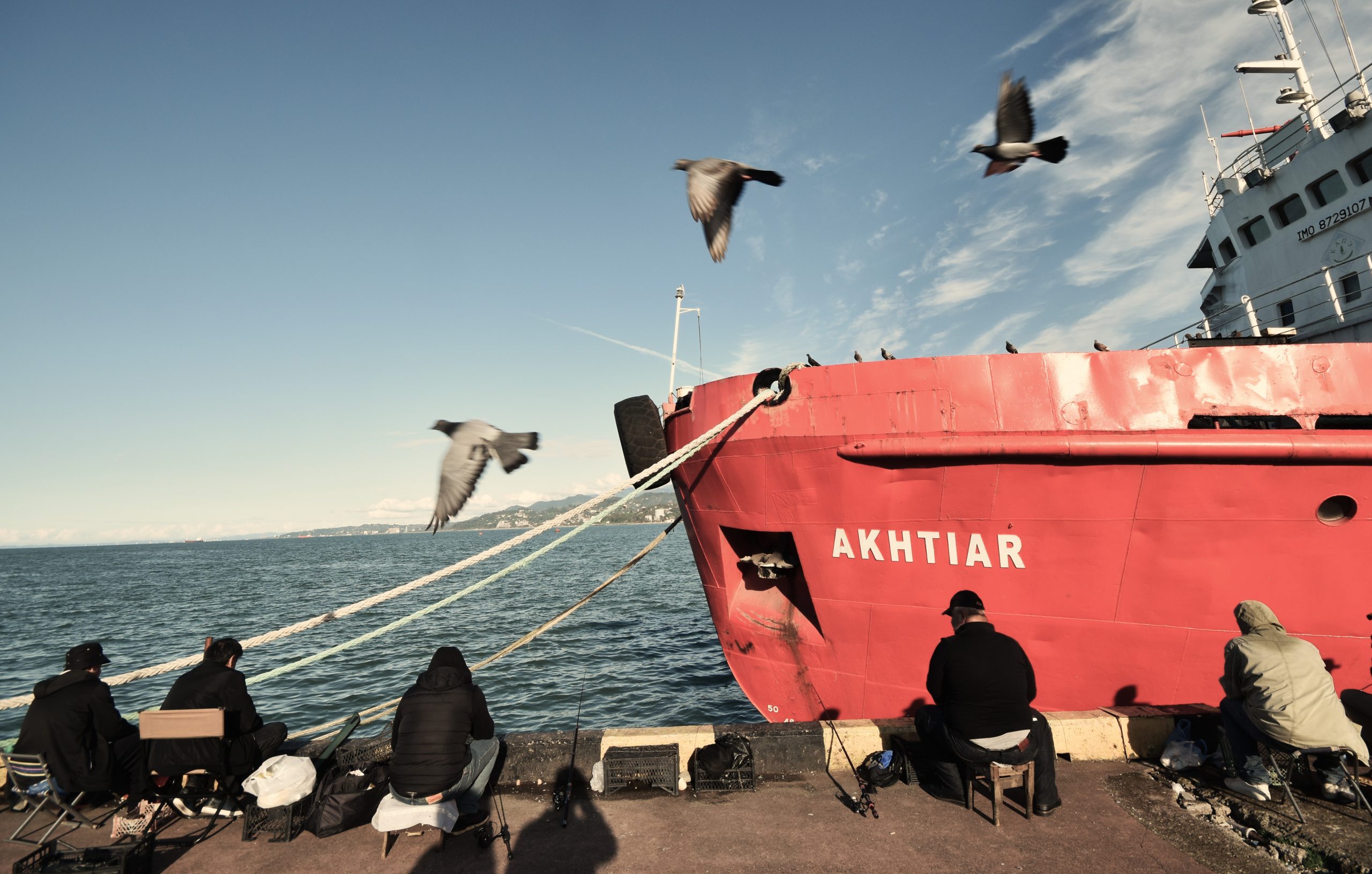
Batumi has an old city core, where the traditional apartments with high ceilings are found. There are plenty of restaurants and fancy cafés here—it’s easy to get a decent latte (isn’t that the real measure of quality of life, the presence of Italian espresso machines?). However, there are streets that mark the edge of the city center, and beyond them real life begins. These areas are crowded with locals, most of them men of a particular age group, between 40 and 70. The same men seem to gather later in the day along the seashore, where they fish or play cards.

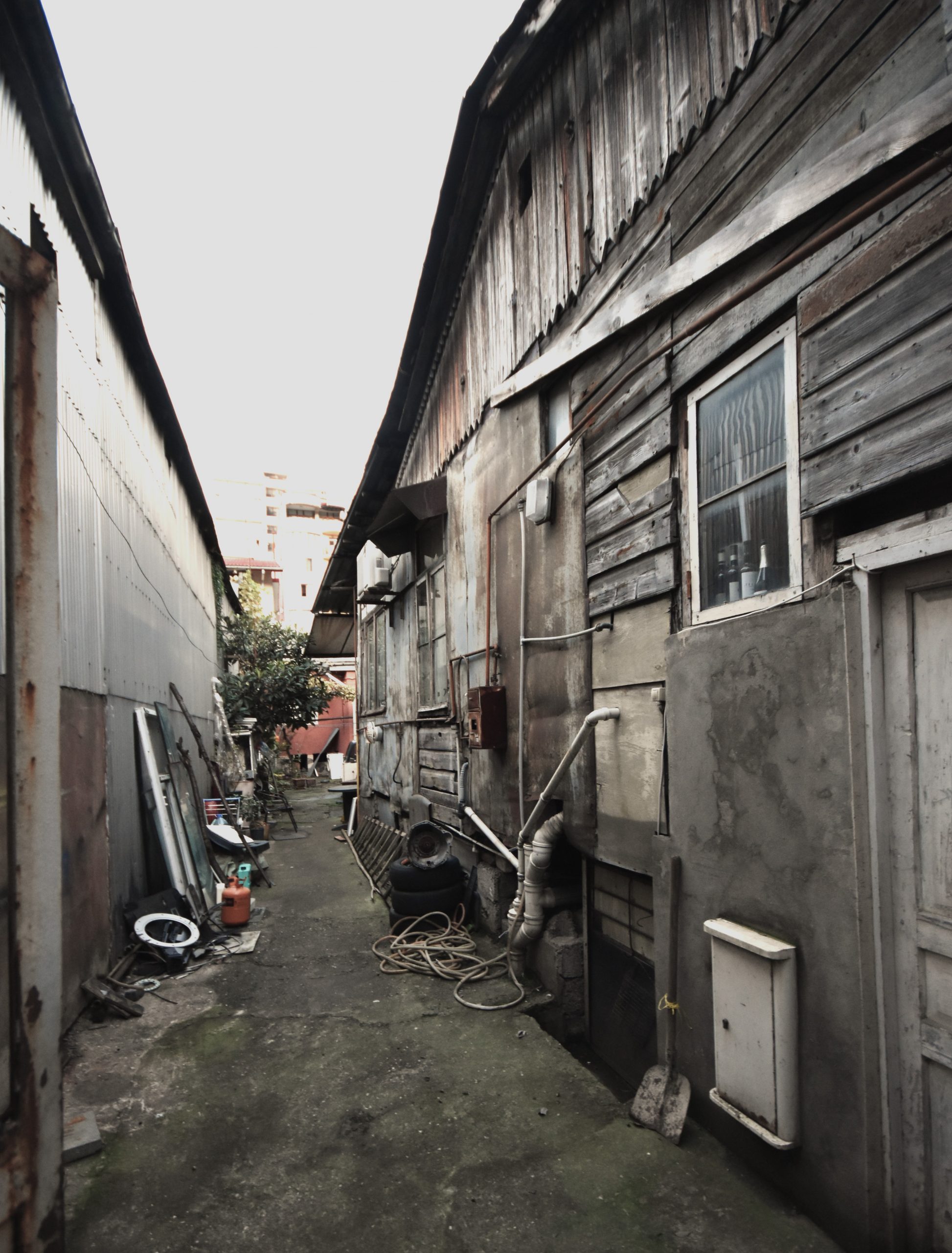
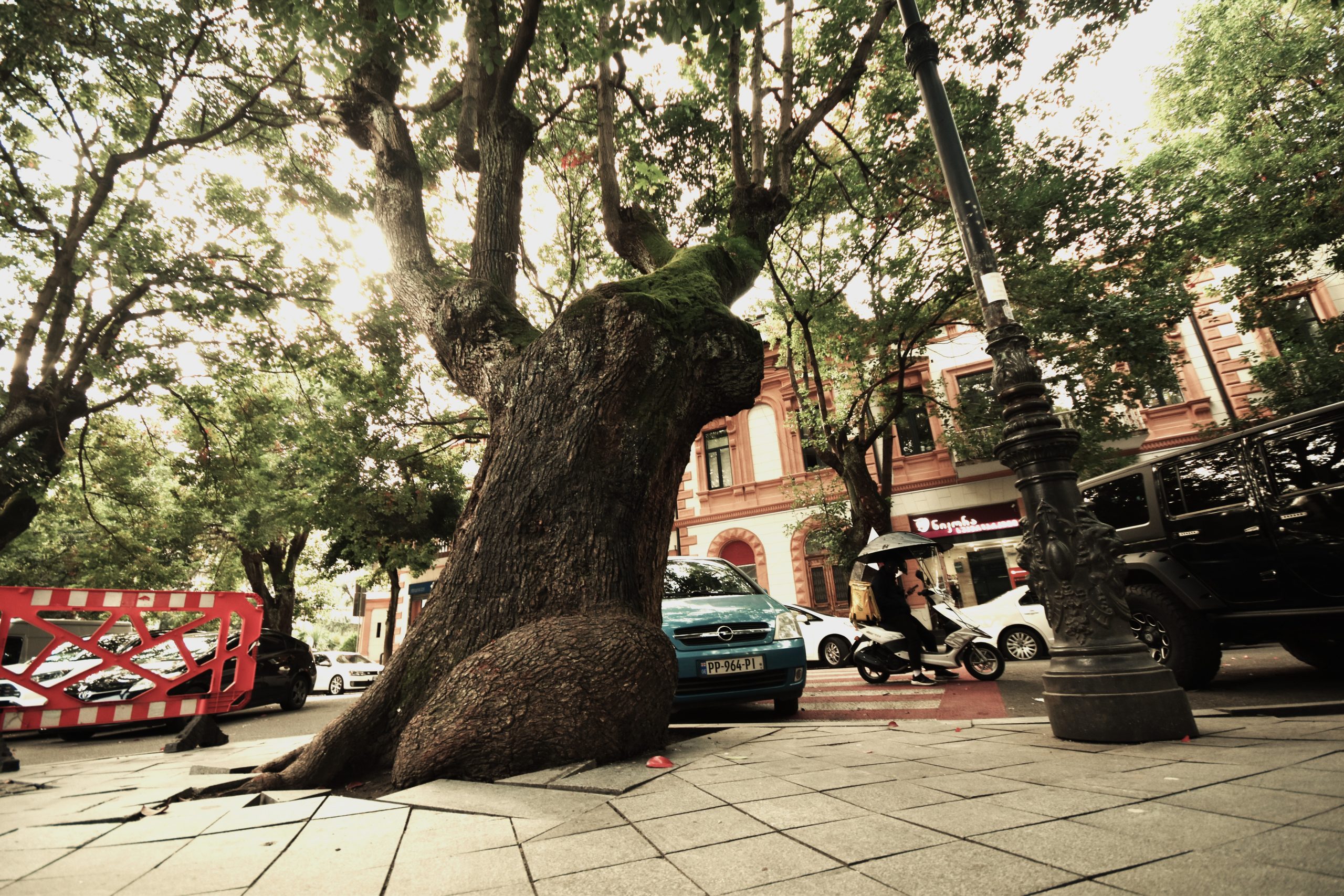
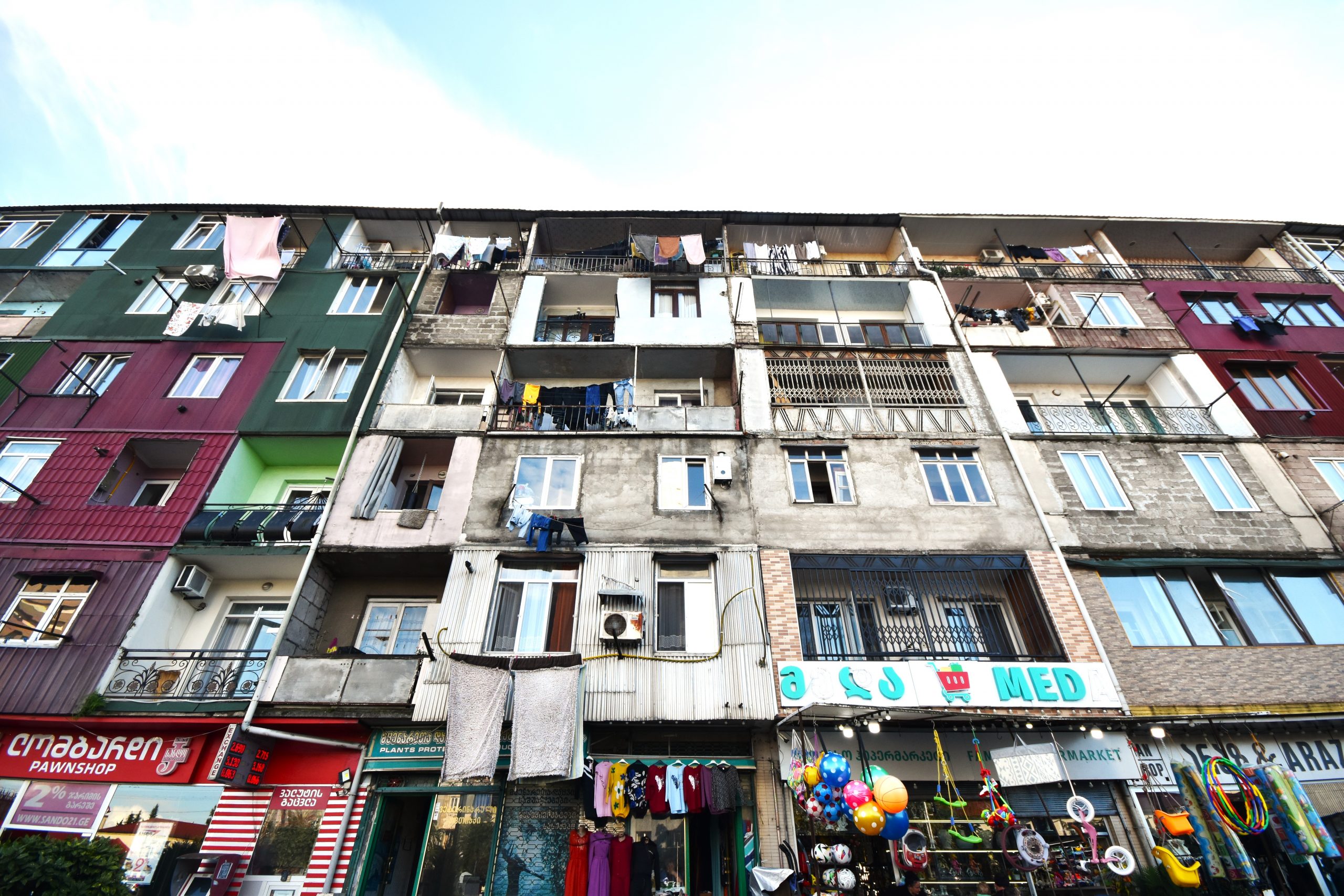
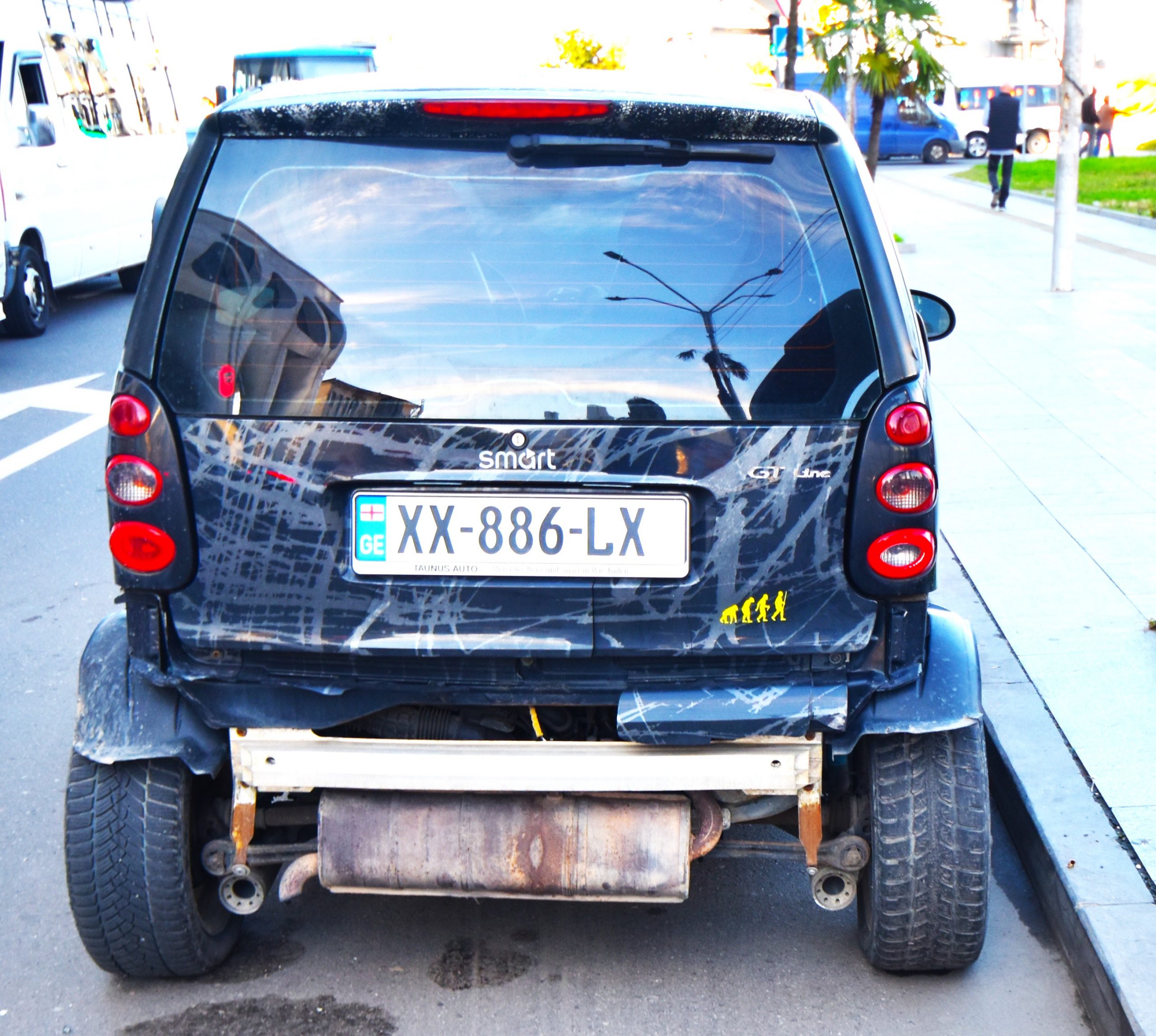
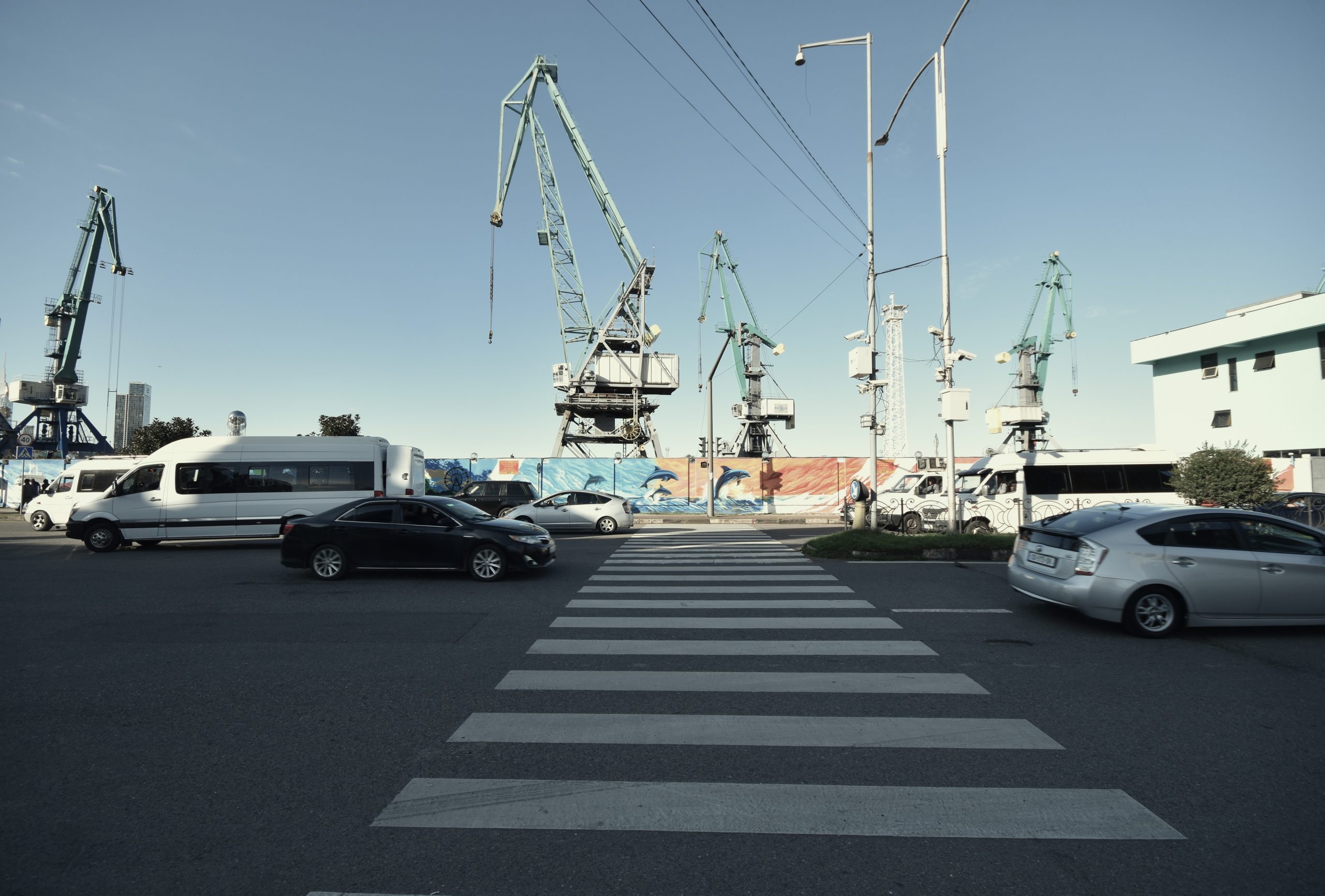
The real Batumi has narrow sidewalks, heavy traffic, and plenty of cars missing their bumpers—thanks to the rough roads and the rather adventurous driving style of their owners. Everyone seems to be either selling or buying something. The side streets are filled with markets of all kinds; once you enter one, it’s easy to get lost in the labyrinth of passages. Curtains upon curtains, shoes, clothes—genuine and fake—and even an entire district devoted to tools, screws, and machines.

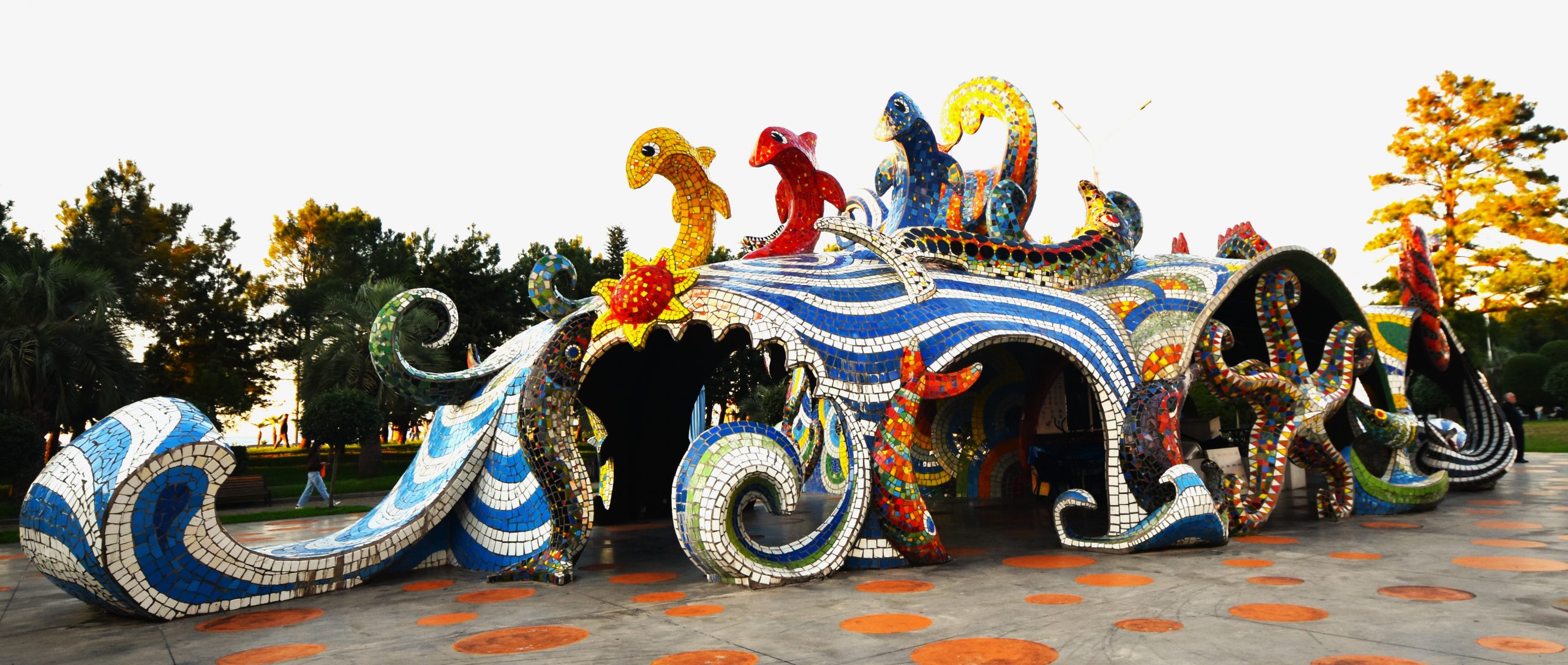
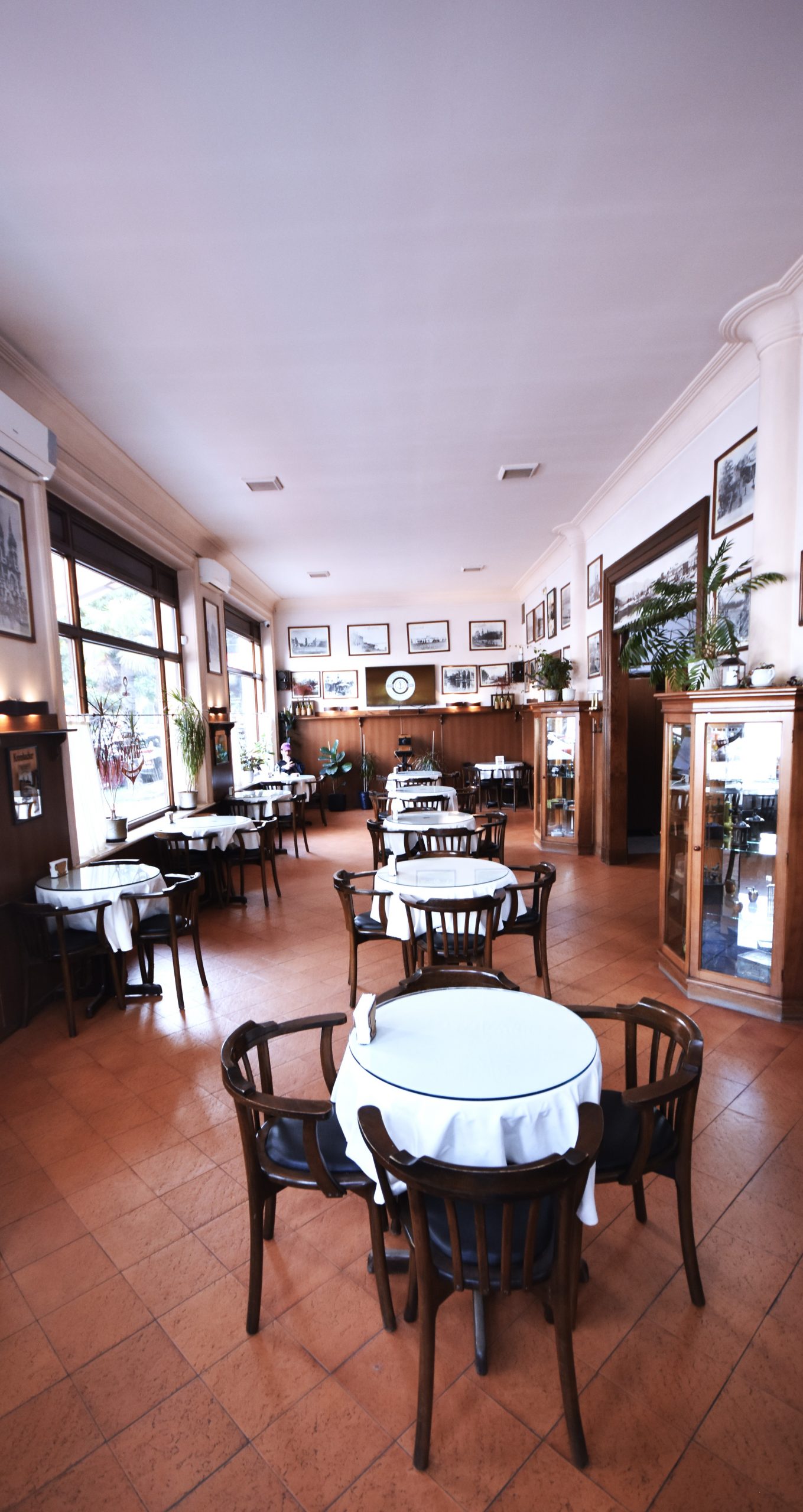
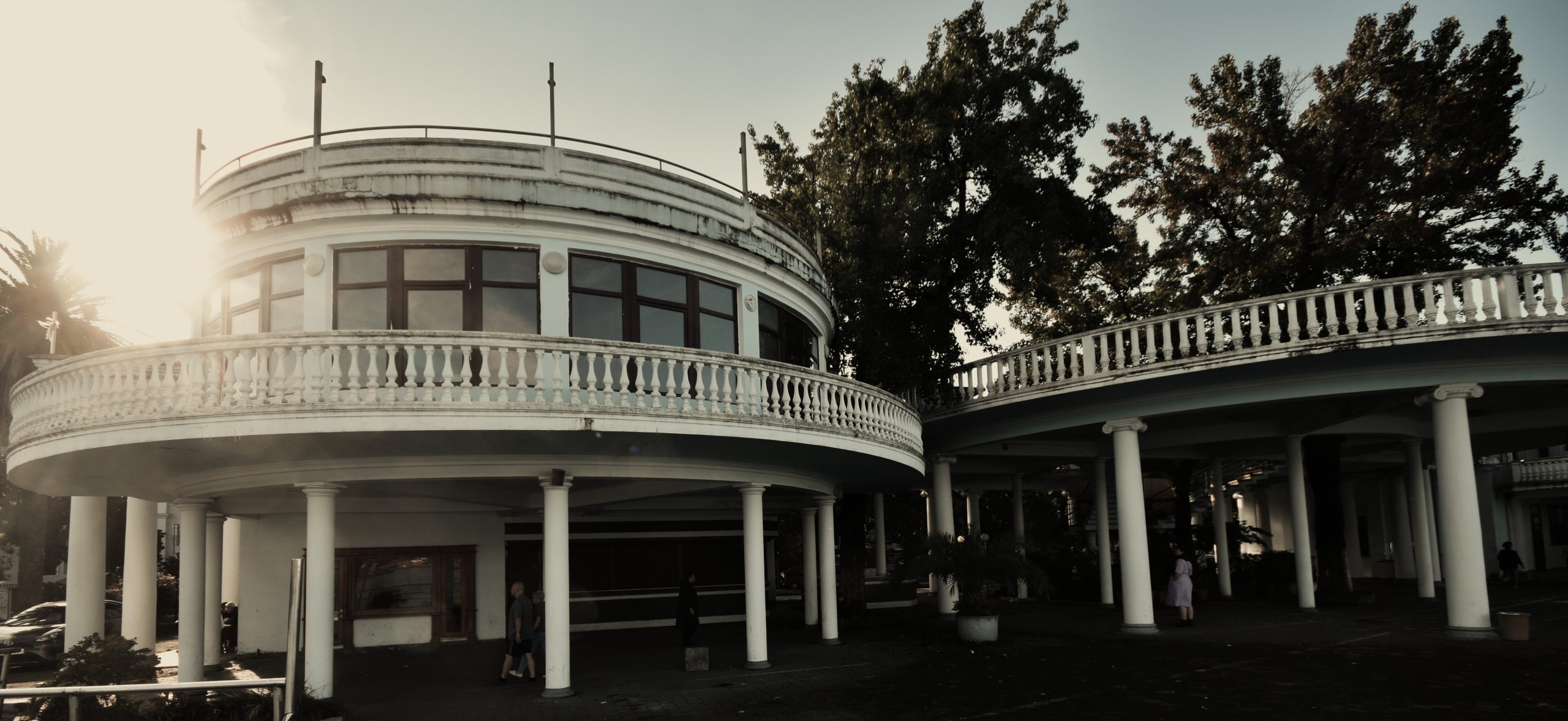
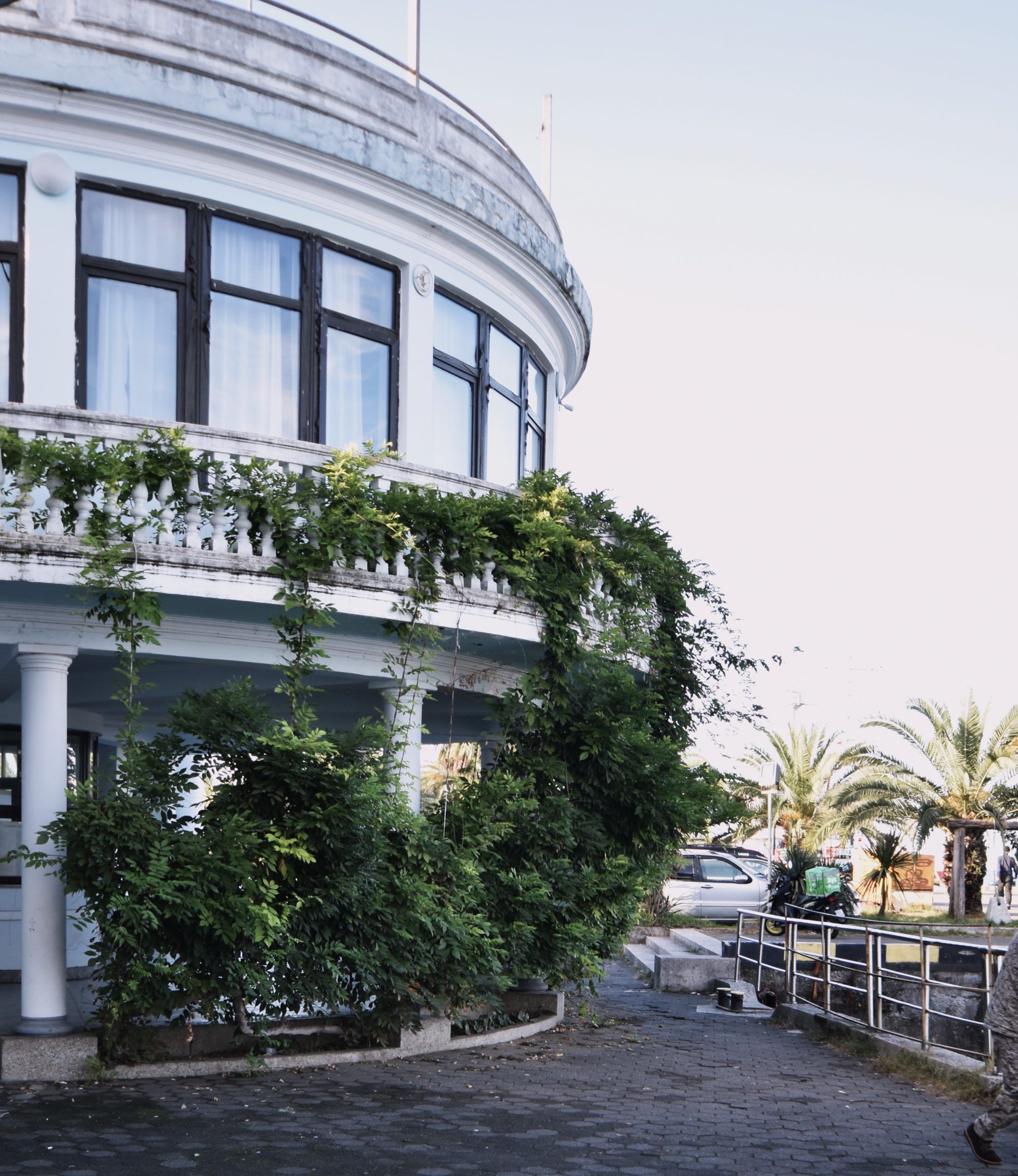
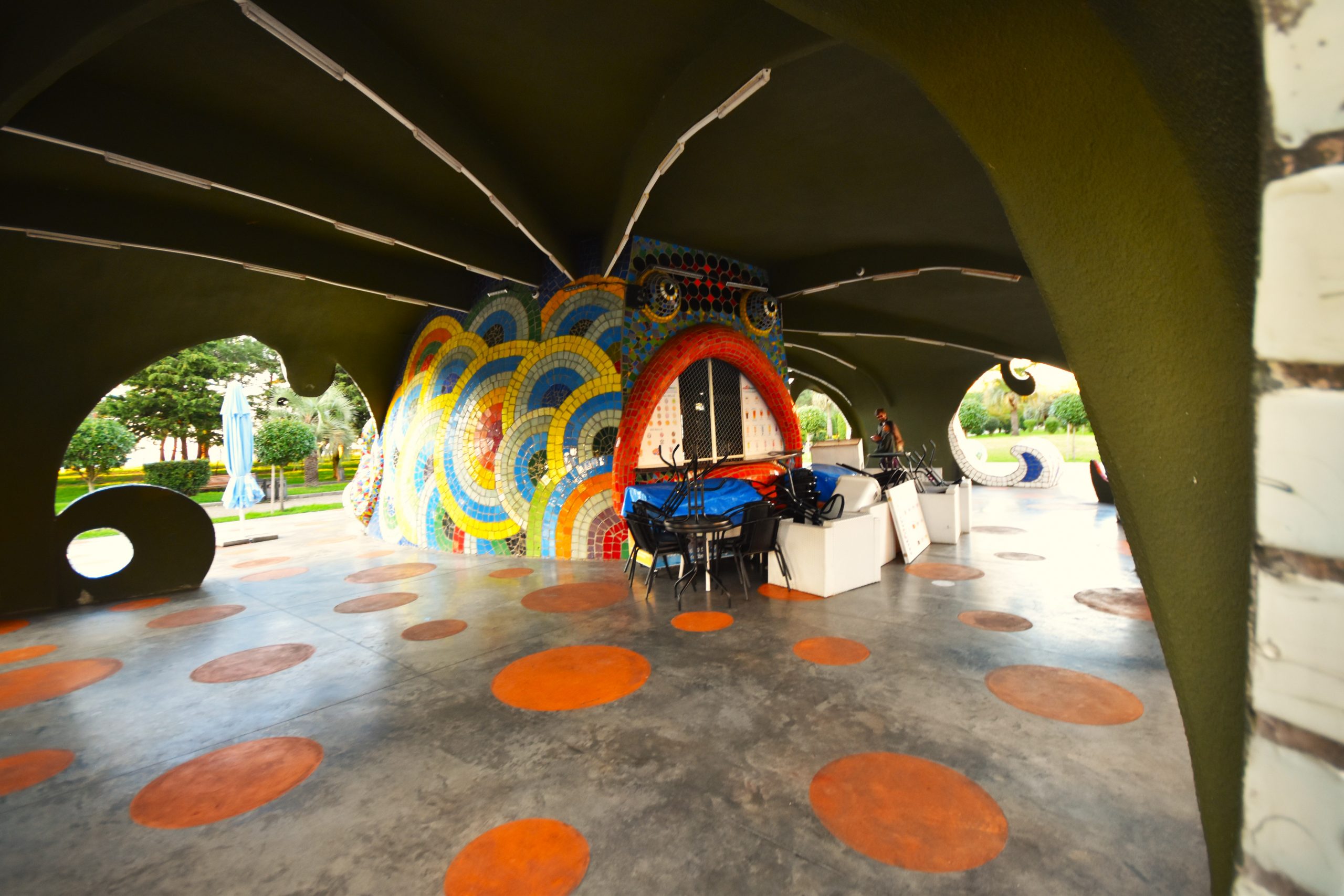
So there’s the old-turned-new (the Old Town), the worn-down real Batumi, plus the abandoned building projects spreading a somewhat morbid charm, and, finally, the remnants of its glorious past—best seen in the beautiful Octopus Café, built in the Soviet eighties and luckily preserved after locals protested its demolition following the end of the Cold War.

What happened back then in Batumi has shaped another defining feature of the city today: the high-rises, mostly along the beach, built after the fall of communism. Because of these developments, some people call Batumi the “Las Vegas of the Black Sea.” Well, they clearly haven’t been to Las Vegas…

What’s far more impressive than all the public money poured into construction is the creative and inspiring mix of times, cultures, and people that make Batumi what it is.

Liked this post? Email me to say hi and I’ll sign you up for more articles like this: send mail
There Are Two Georgias

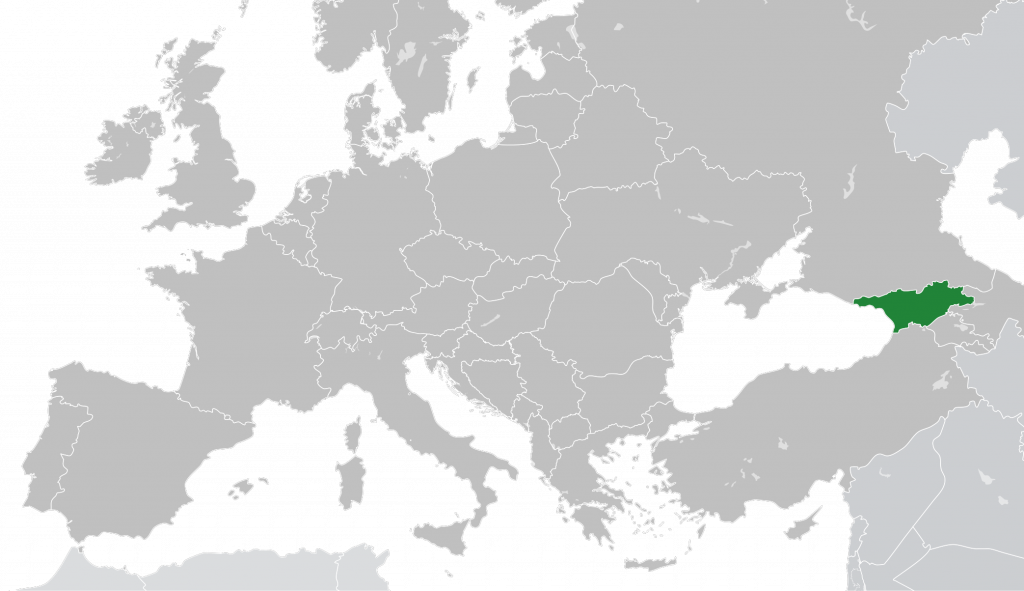
link to map

There are two Georgias. One is a state in the U.S. The other is an entirely different country—some might say it lies at the edge of the world. It’s nestled between Asia and Europe, by the Black Sea, just south of Russia. Georgia is a land of towering Caucasus Mountains (over 15,000 feet) and deep valleys between them, roughly the size of South Carolina.

Georgian history began long before Christ, even with the Romans. A major turning point came in 1783, when the rulers of Georgia signed a pact with their powerful northern neighbor, Russia—hoping not to face their many enemies alone, especially Iran and Turkey to the south.

The relationship with Russia proved delicate. Russia left its mark on Georgia in many ways, yet Georgia has always resisted total submission, and in many instances, succeeded. After World War I, in 1918, Georgia managed to establish itself as an independent state—briefly—until 1922, when it was absorbed into the Soviet Union and governed once again by Moscow. That lasted until 1991, when Georgia finally gained independence—an independence it still holds, despite ongoing tensions with Russia and frequent internal unrest.

I visited Georgia last summer and have thought about going back ever since. The country offers a long list of compelling qualities—its breathtaking landscapes, its incredibly flavorful cuisine, and its ever-present history. But what draws me in most is its genuine authenticity. Georgia has managed to preserve its original character. Everything feels unfiltered, real. That’s not always comfortable—but it is grounding. Being in Georgia feels like experiencing something true. It’s an honest place.

This time, I’ll only be in Batumi and Tbilisi. It’s another chapter of slow travel. In both cities, I’ve booked old apartments through Airbnb.

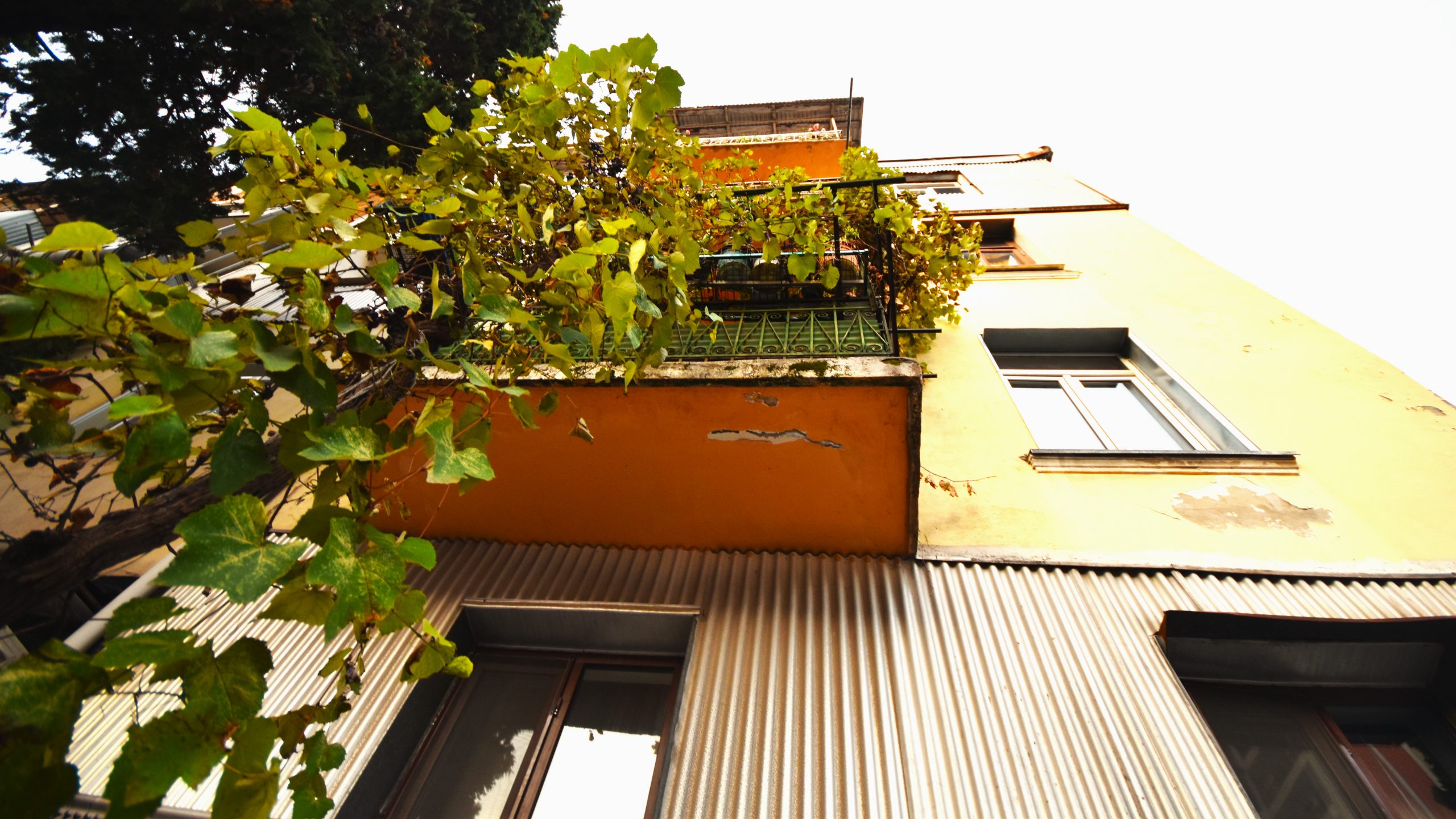
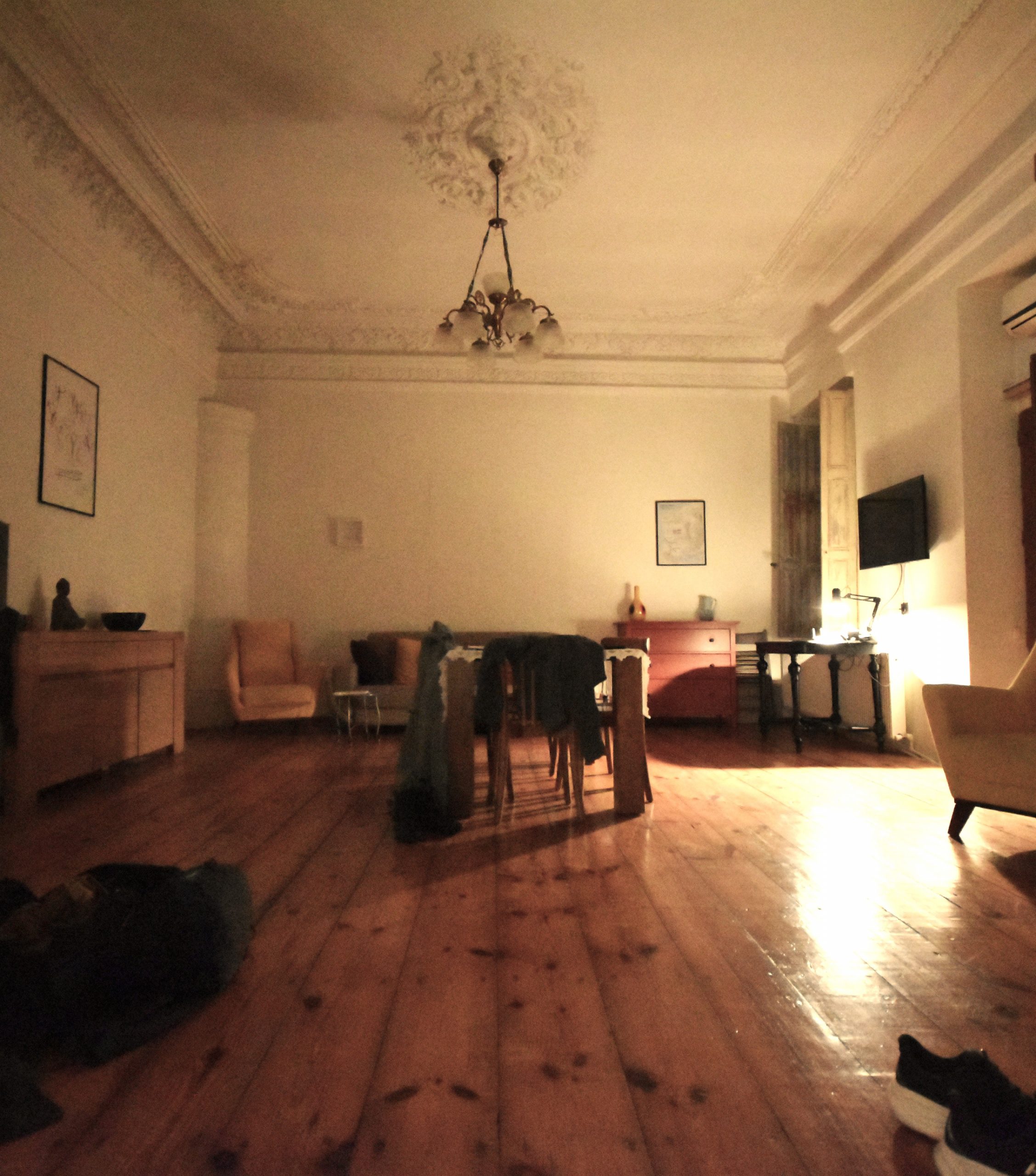
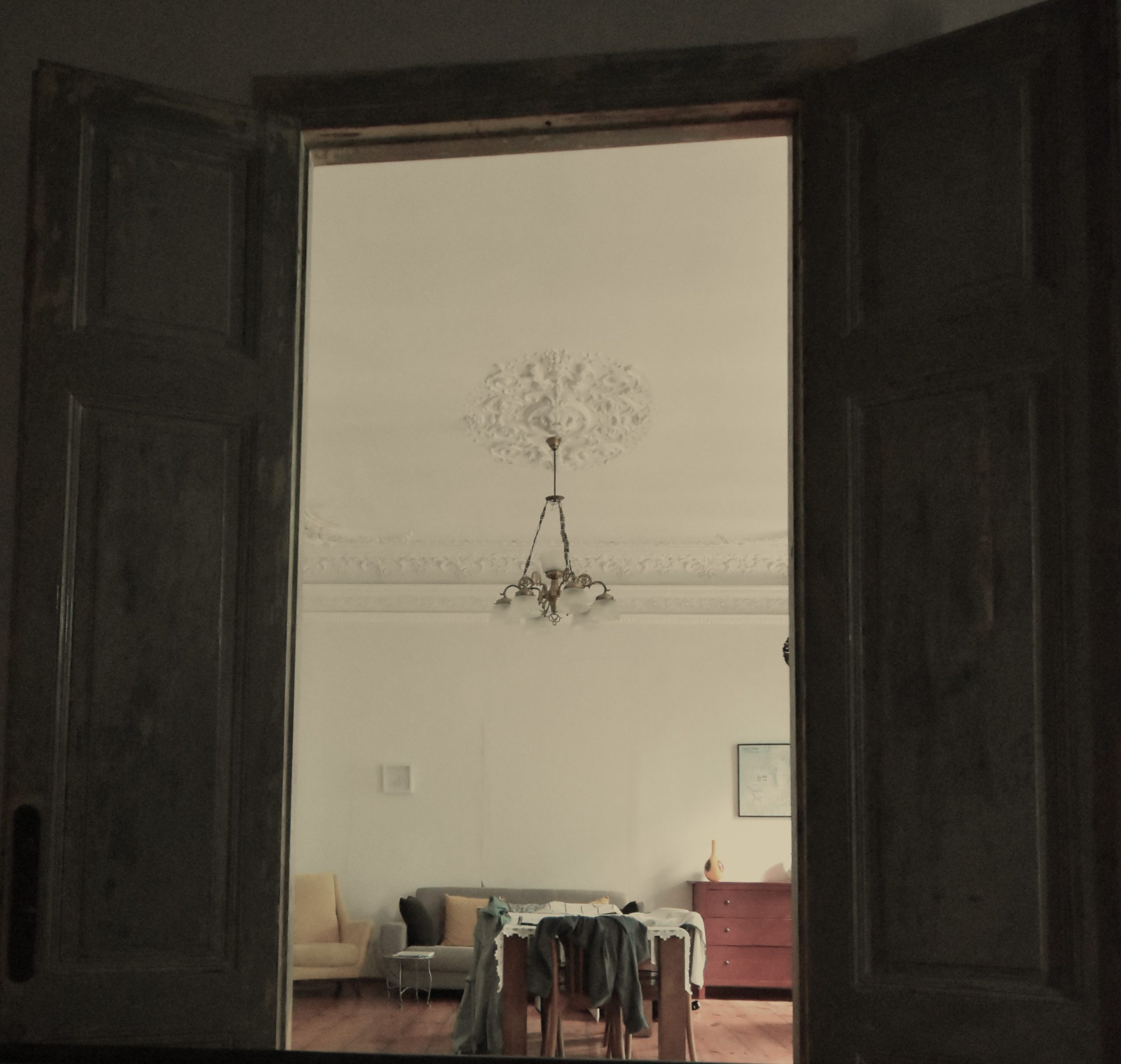
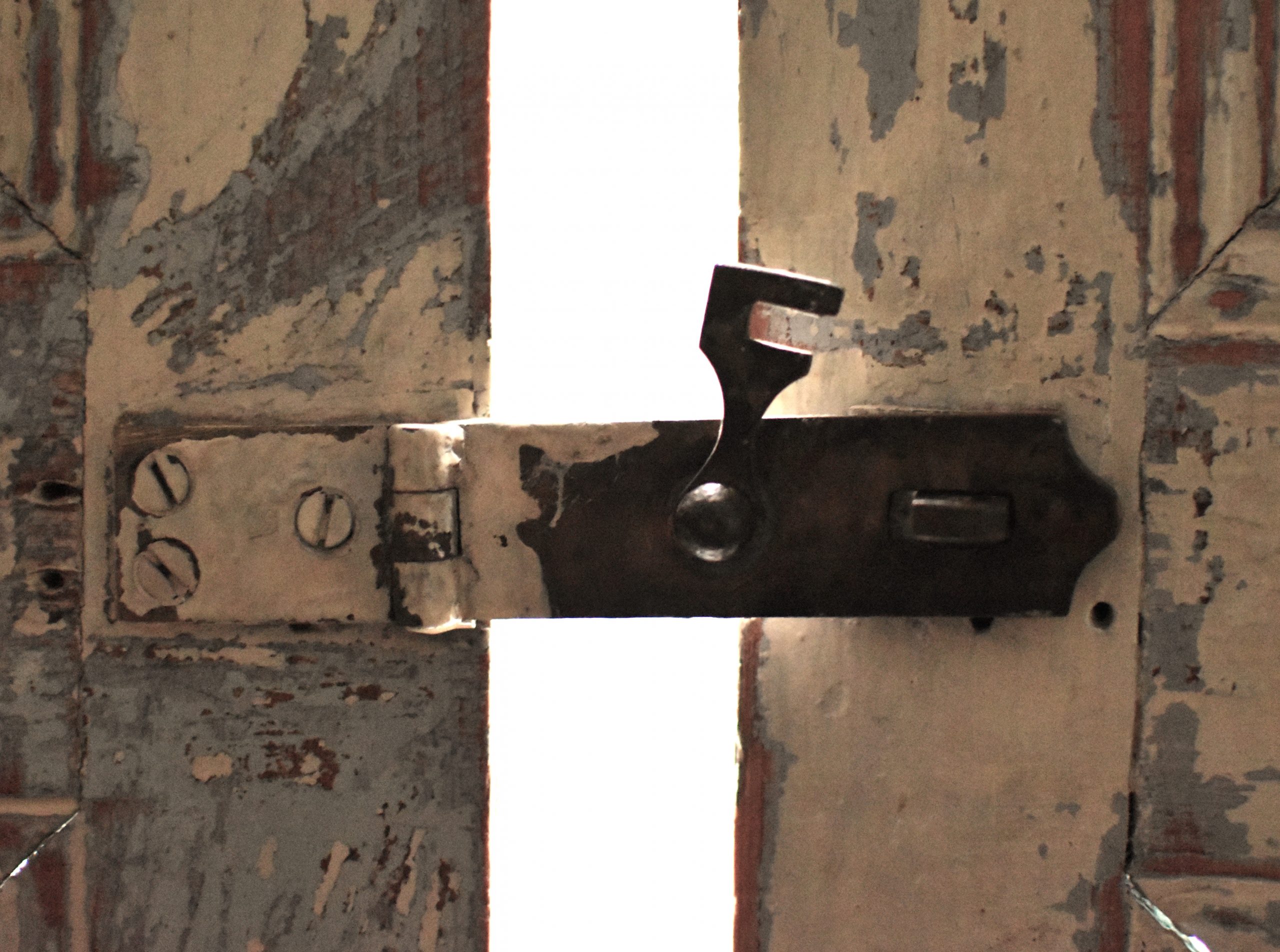
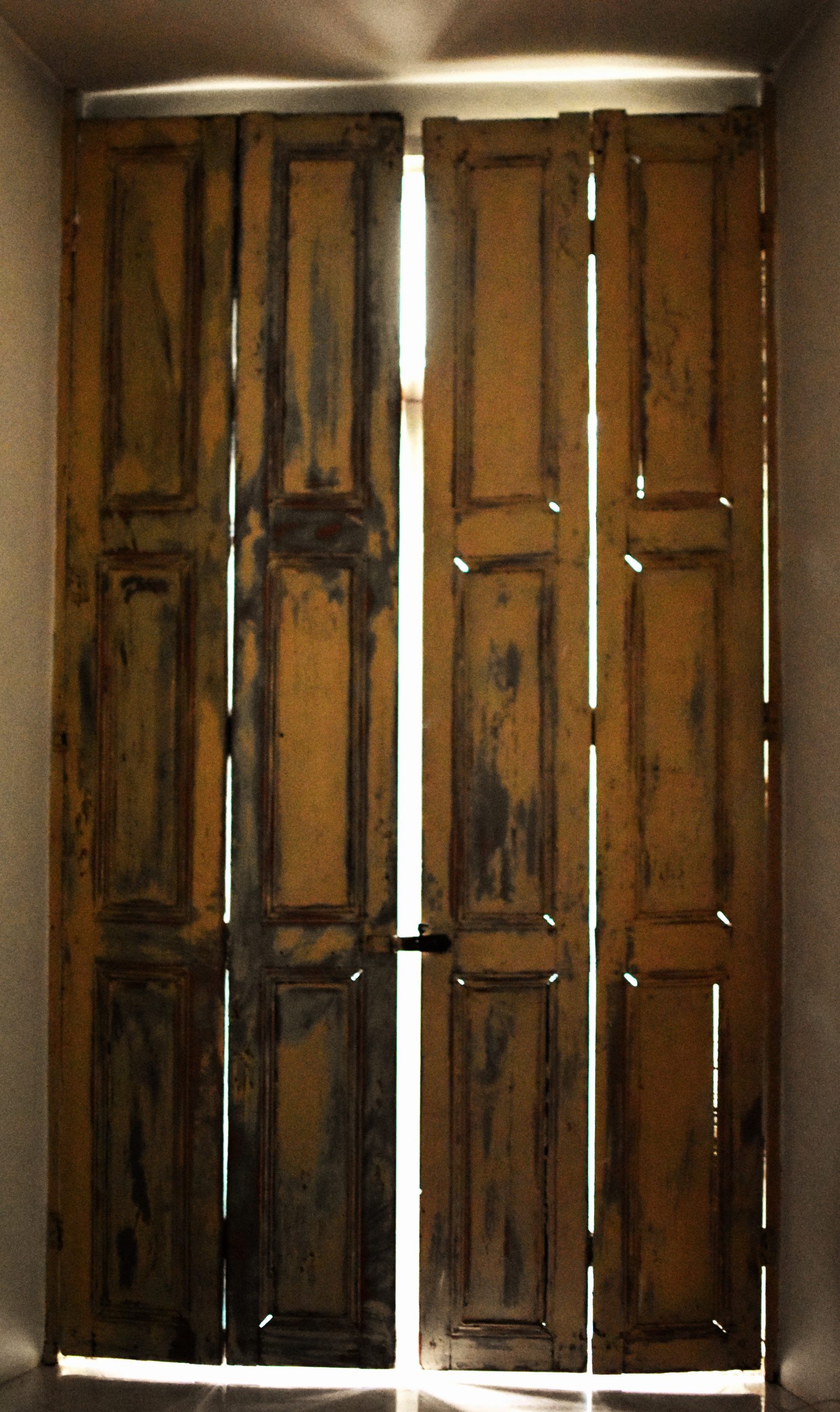
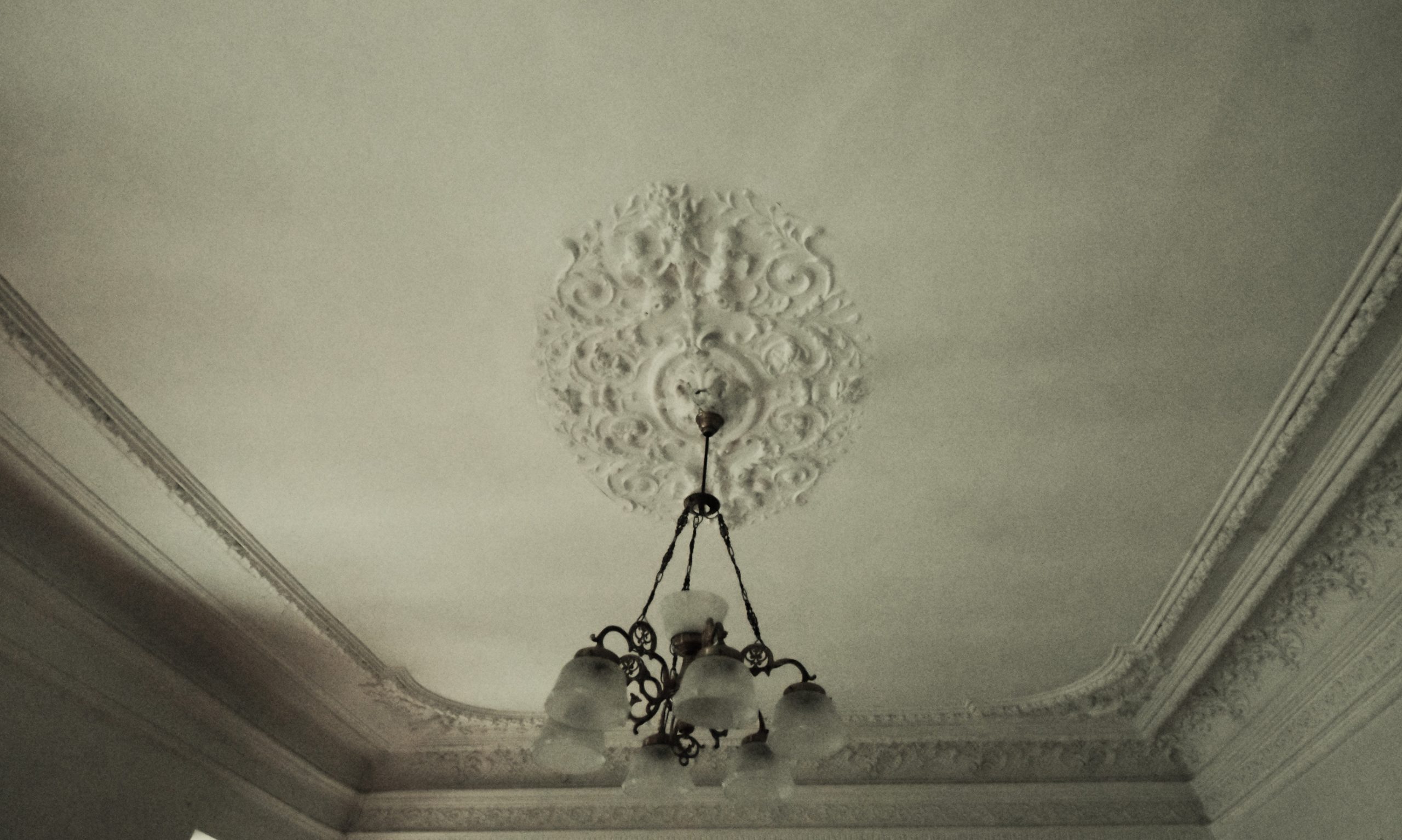
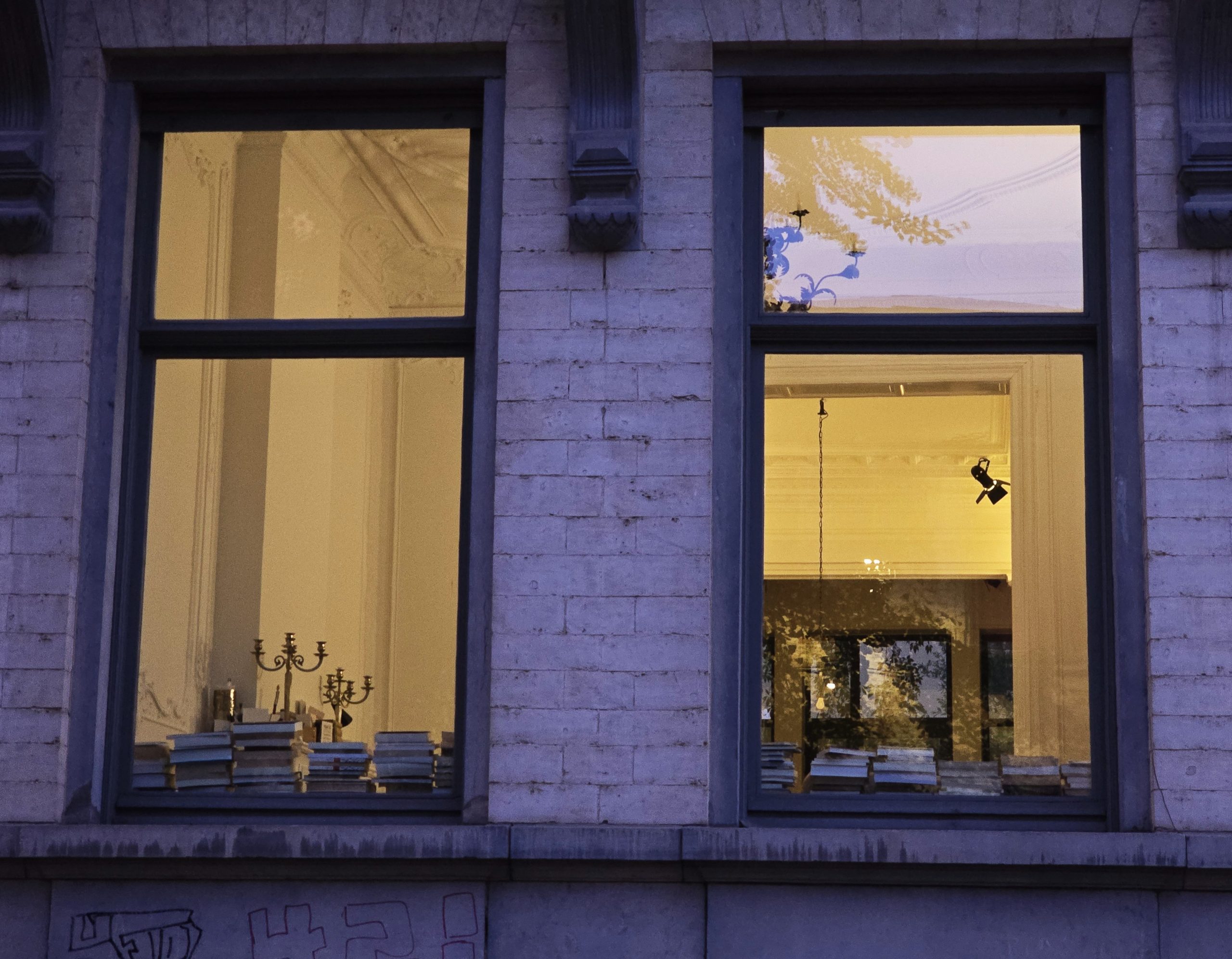
The photos here are of the apartment in Batumi, right in the heart of the old town. These kinds of apartments were built in the late 1800s, when Georgia’s economy was booming and a new middle class was emerging. Eager to show off their prosperity, people began buying and building apartments that resembled palaces.

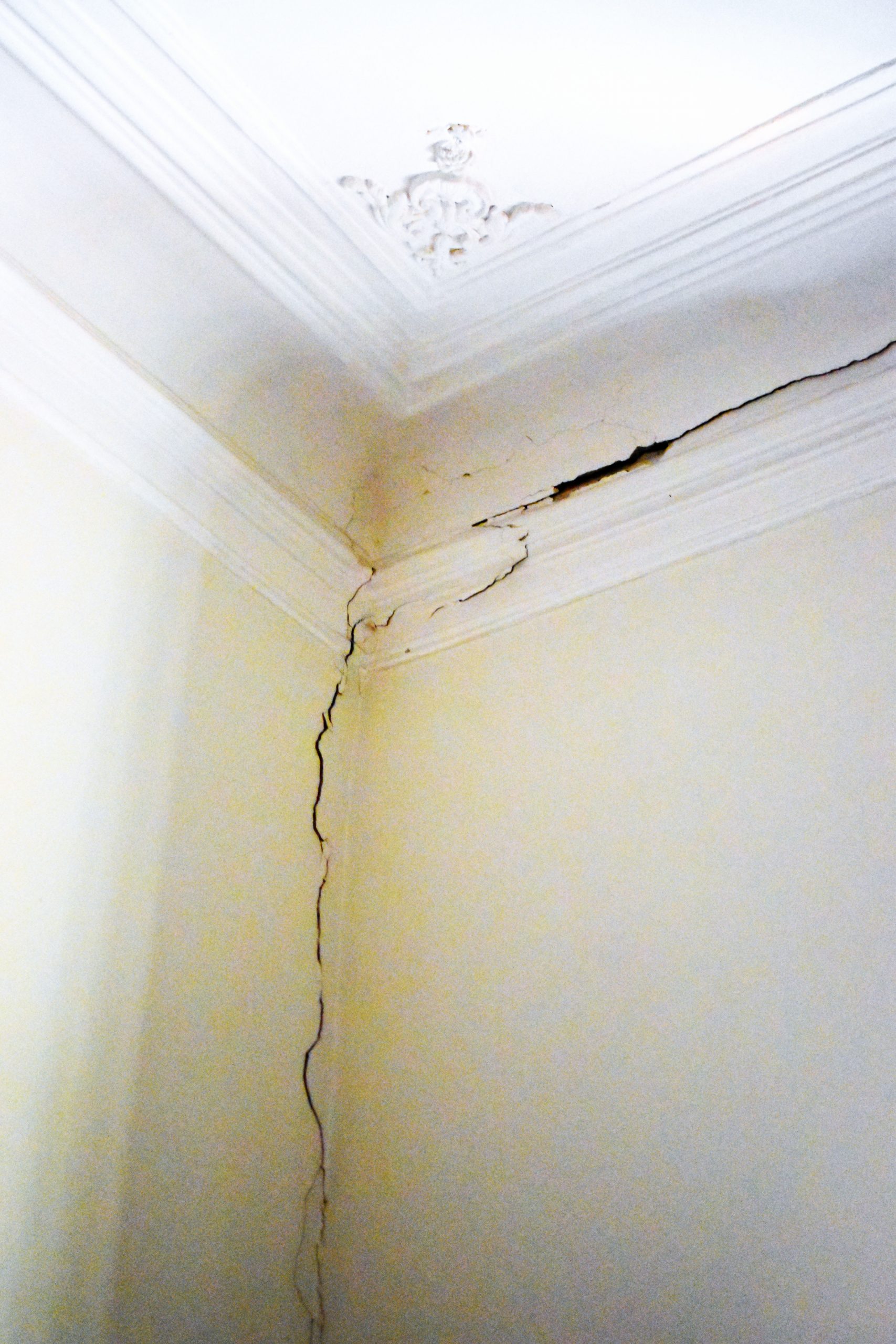
The apartment I’ve booked has 13-foot ceilings (4 meters), a living room of about 430 square feet (40 m²), and windows nearly 10 feet high (3 meters / 120 inches). The wooden floors seem at least a century old. There are cracks in the walls—but also signs of thoughtful modernization: a brand-new bathroom, a modern heating system.

After the fall of the Tsarist regime in 1922, the Soviets “communalized” these apartments. My 430-square-foot room, for instance, would have been divided among three families. A permanent housing crisis forced such measures, often resulting in poor, overcrowded living conditions.

So here I am today, imagining what this place looked like 150 years ago—before the Soviets. I picture wealthy businesspeople, oil barons, merchants, affluent academics, and Russian officials living here in luxury. And then I imagine families of six, crammed into these rooms, children screaming, food simmering on a shared stove, space divided between too many people.

Today, things have changed again. These buildings have been bought, renovated, and lovingly maintained—sometimes by descendants of former residents. Many have become boutique hotels or Airbnbs. Others are still lived in by people who appreciate the scent and style of history.

Either way, the feeling is intense. It’s a privilege to live, walk, and sleep inside history. Times change. But in Georgia, it seems as though history prevails.

Liked this post? Email me to say hi and I’ll sign you up for more articles like this: send mail
location

From Frankfurt to Amsterdam

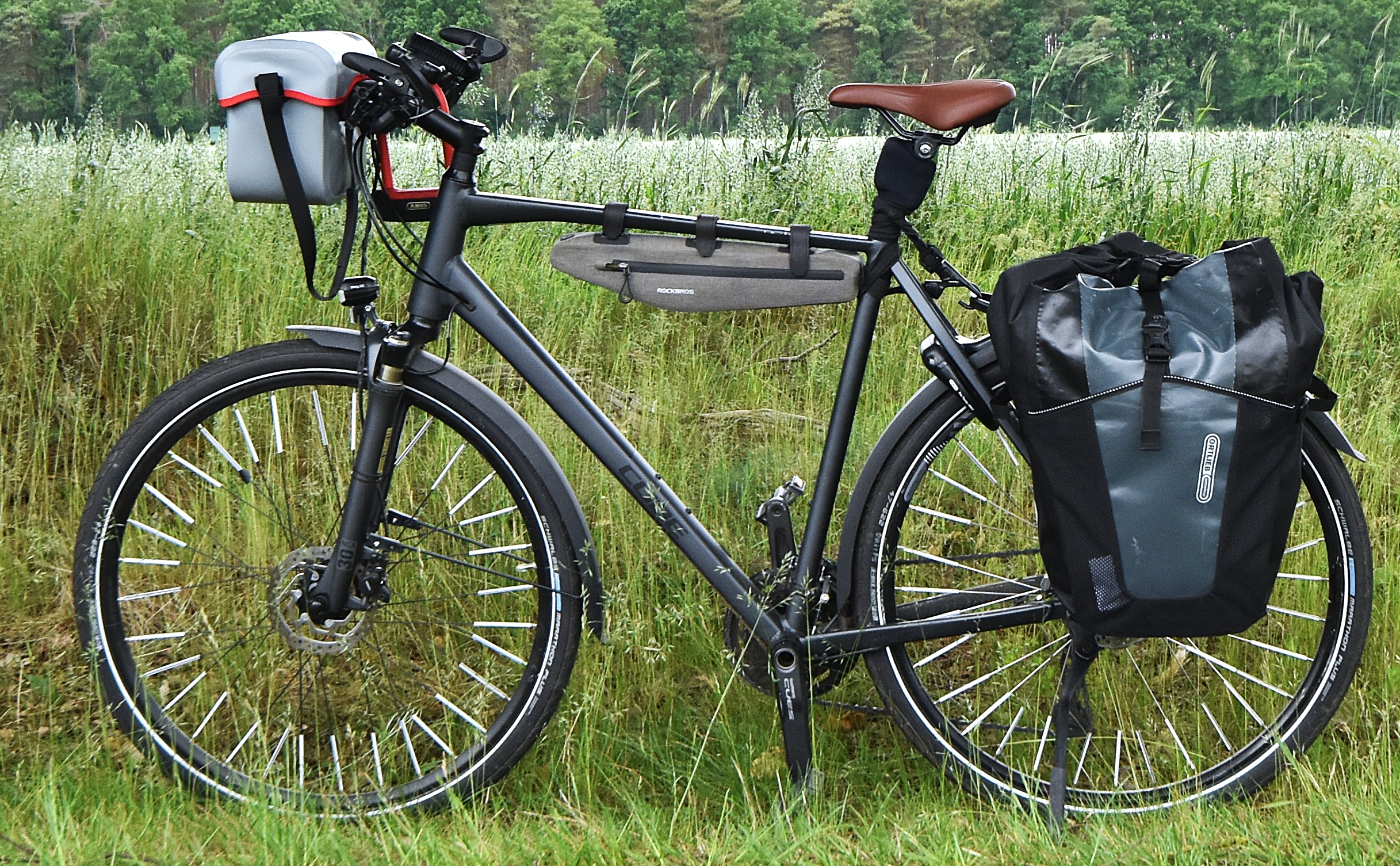
The trip starts in Frankfurt am Main — taking the train down from Berlin — and ends in Amsterdam, with a train ride back to Berlin. It won’t be a hardcore cycling adventure. No rush, no pressure. Just a slow-paced journey with plenty of rest days, time to explore cities along the way, and long, unhurried breaks out in nature. It’s all about taking it easy and enjoying the ride.

Mirrors and Bricks

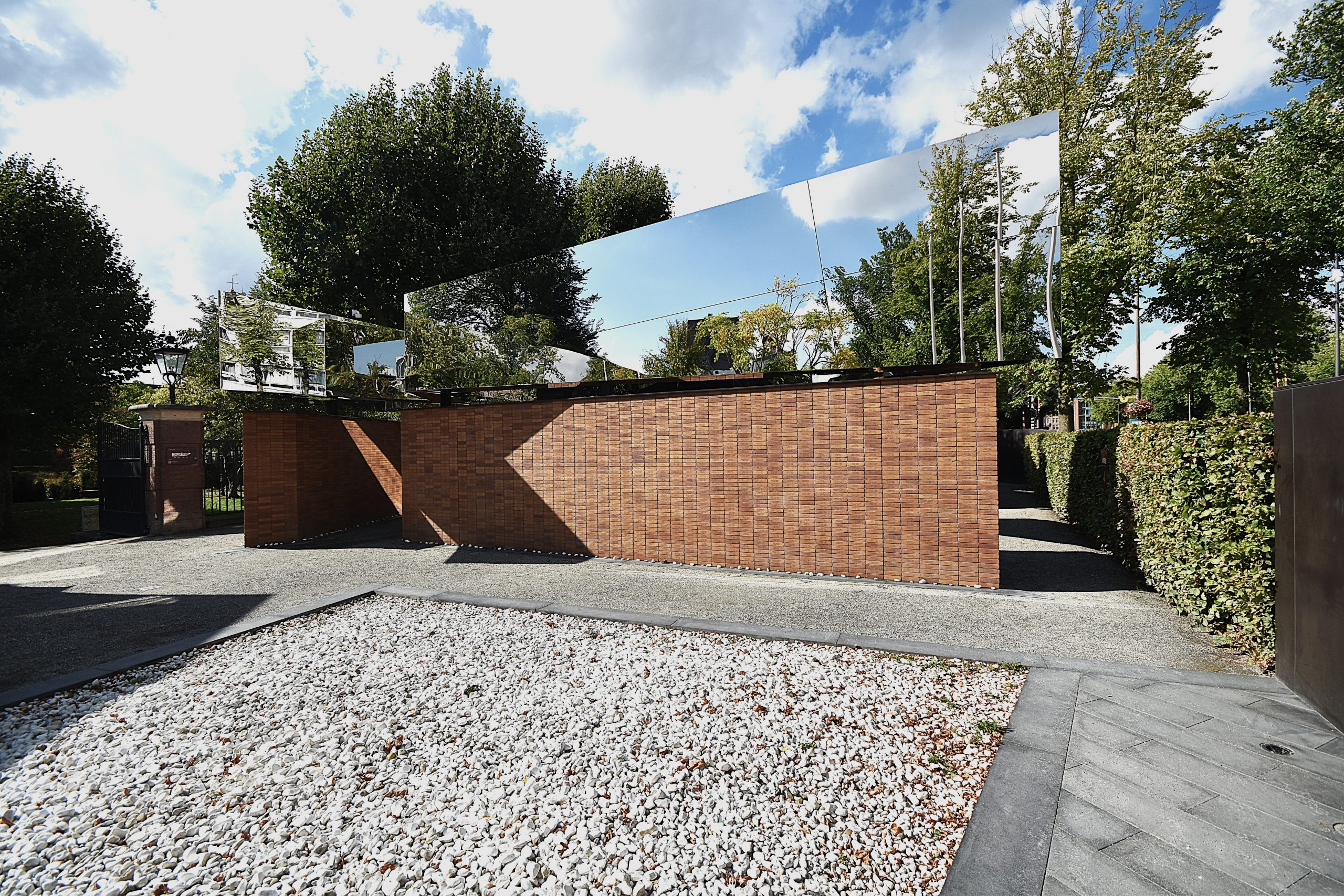
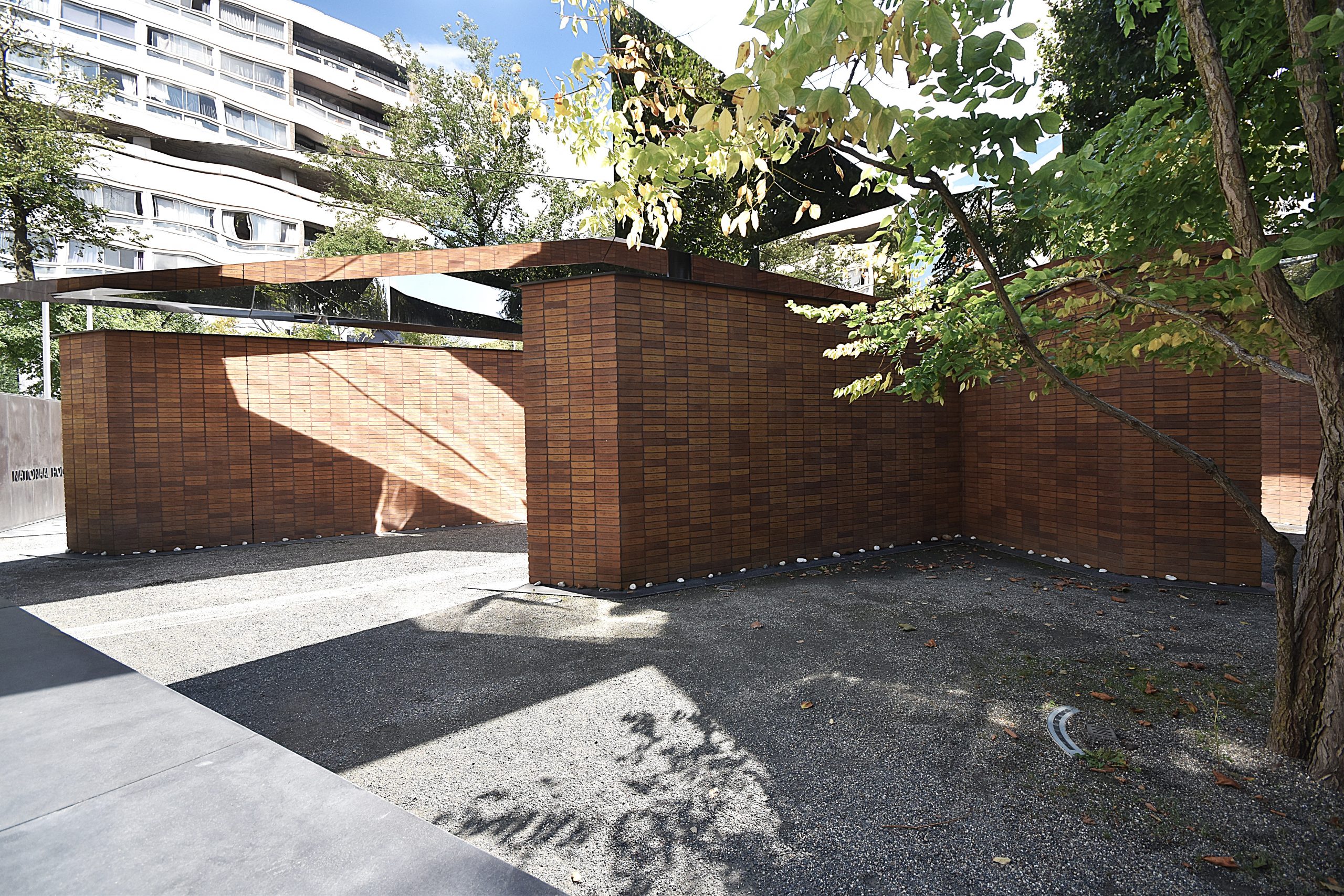
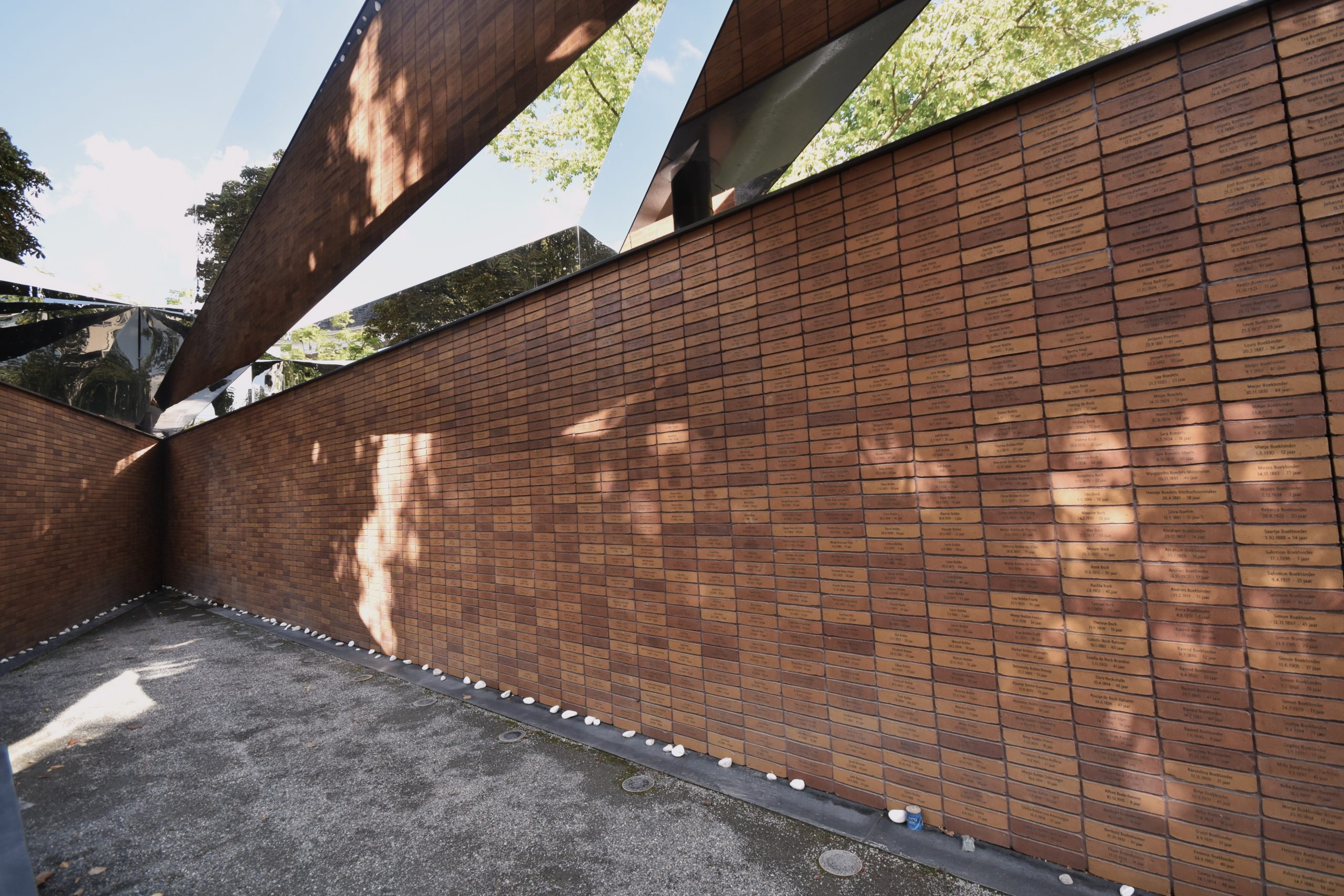
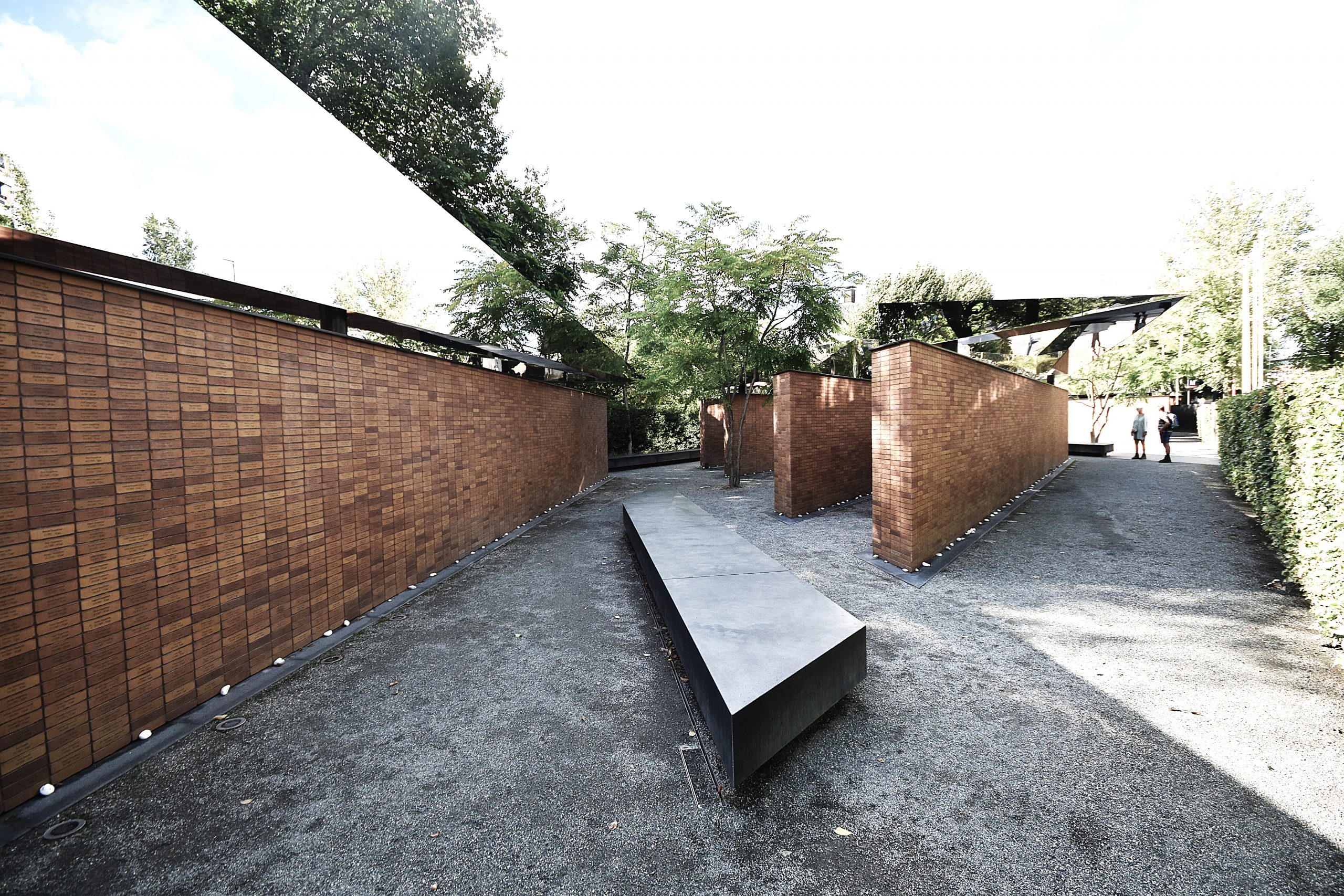
When the Nazis occupied the Netherlands in 1940, approximately 140,000 Jews lived in the country. From 1941 until 1944, 107,000 of them, along with 255 Sinti and Roma, were deported by the Germans. Only 5,200 Jews and 30 Sinti survived.

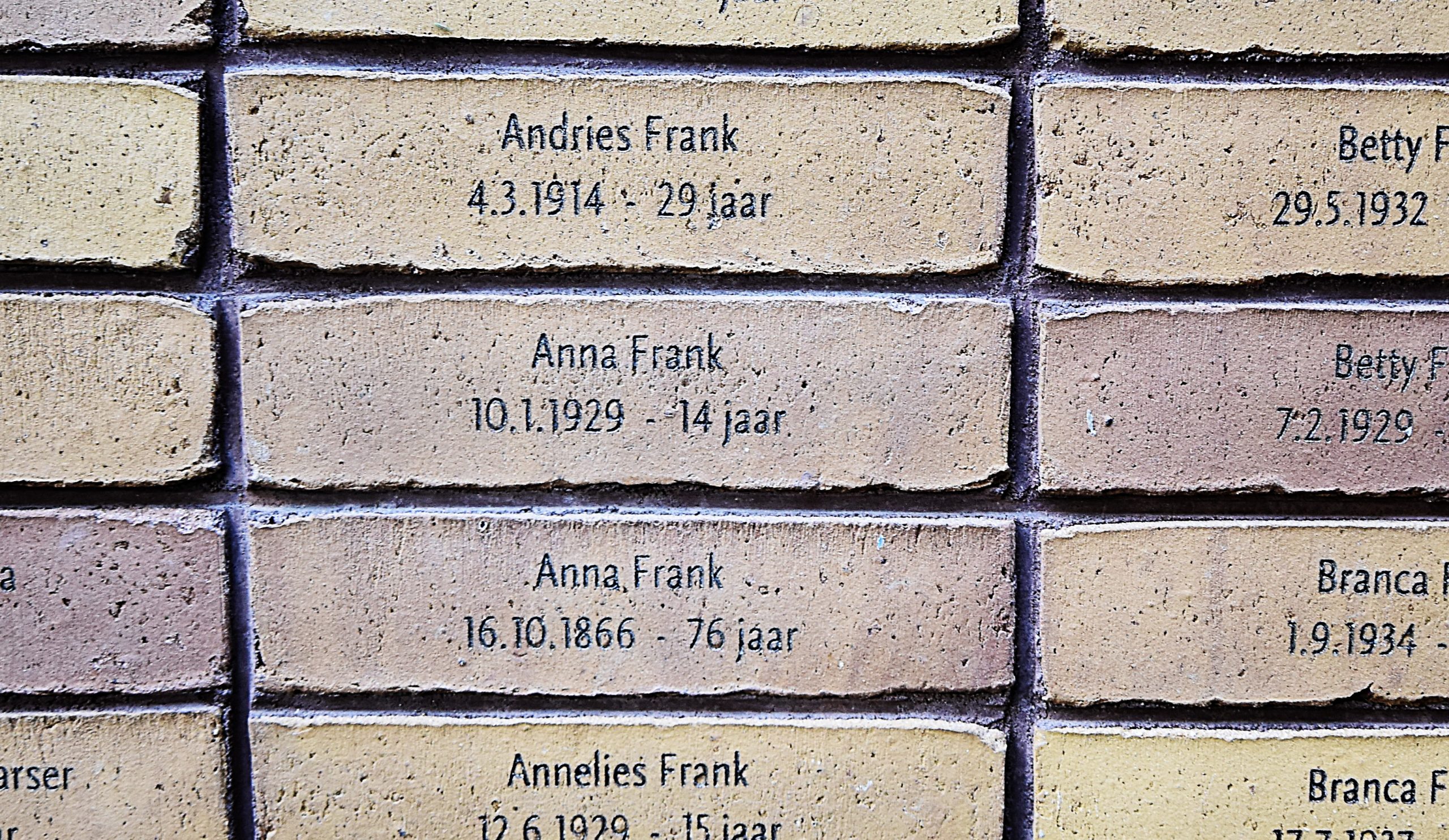
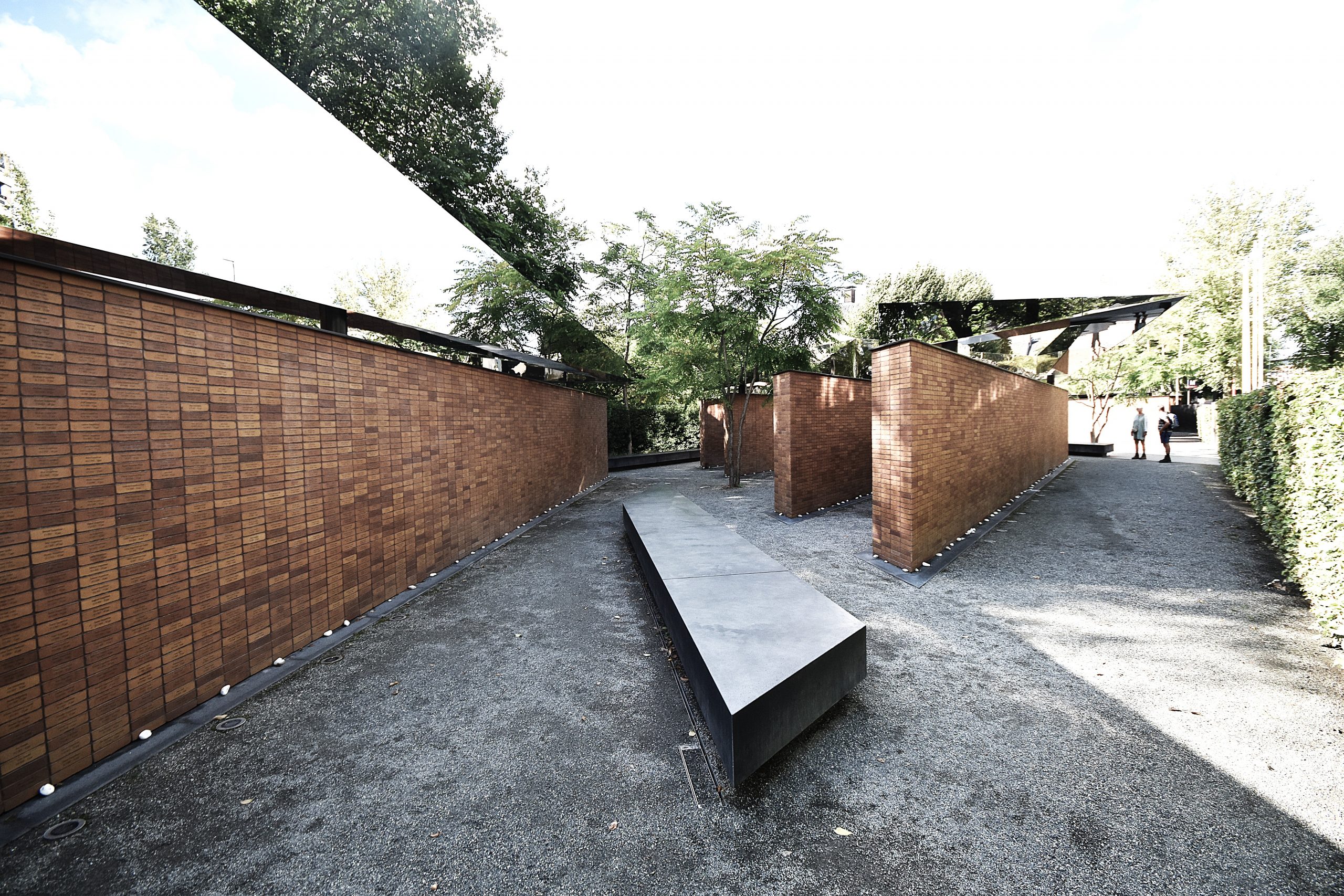
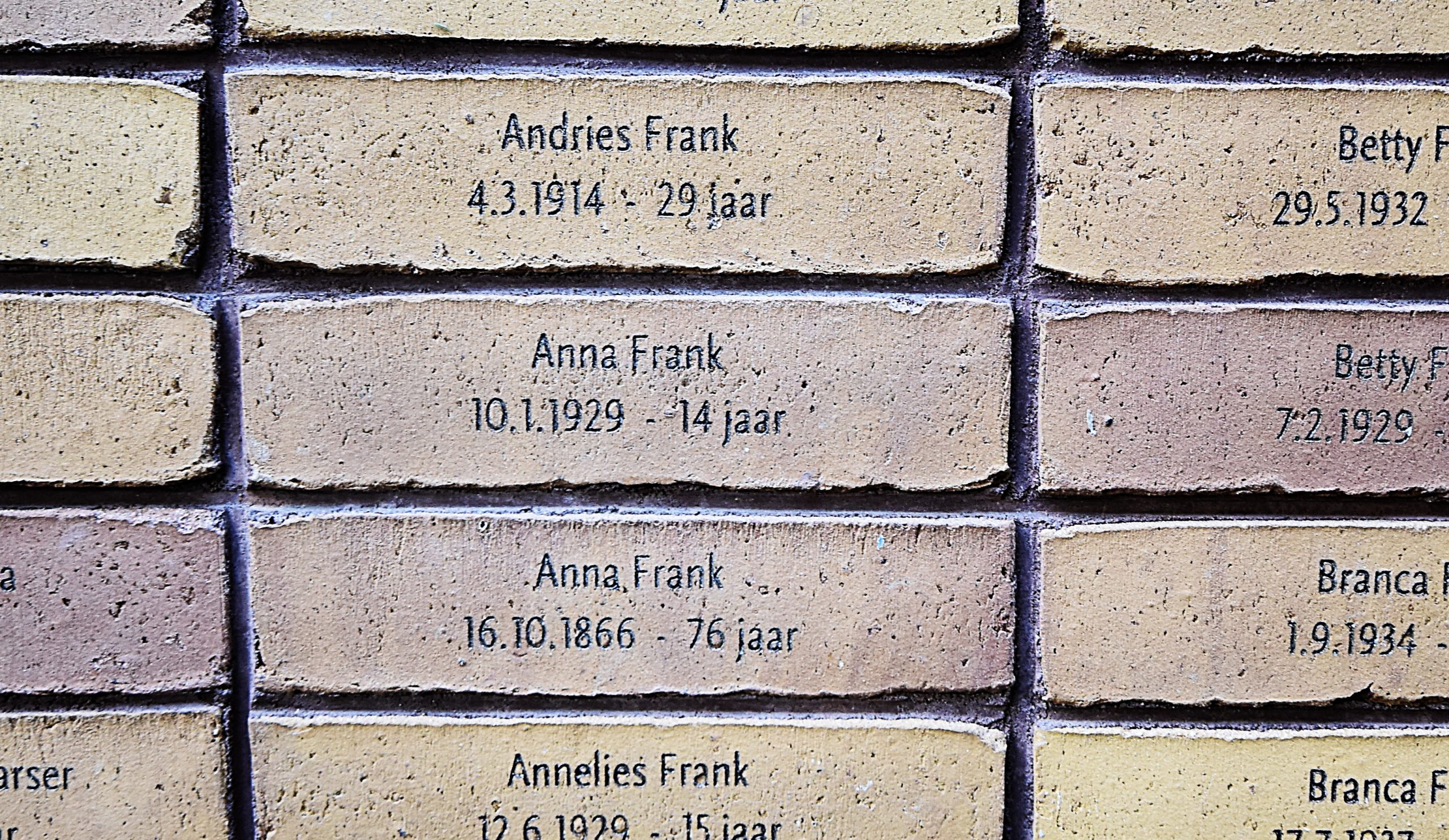
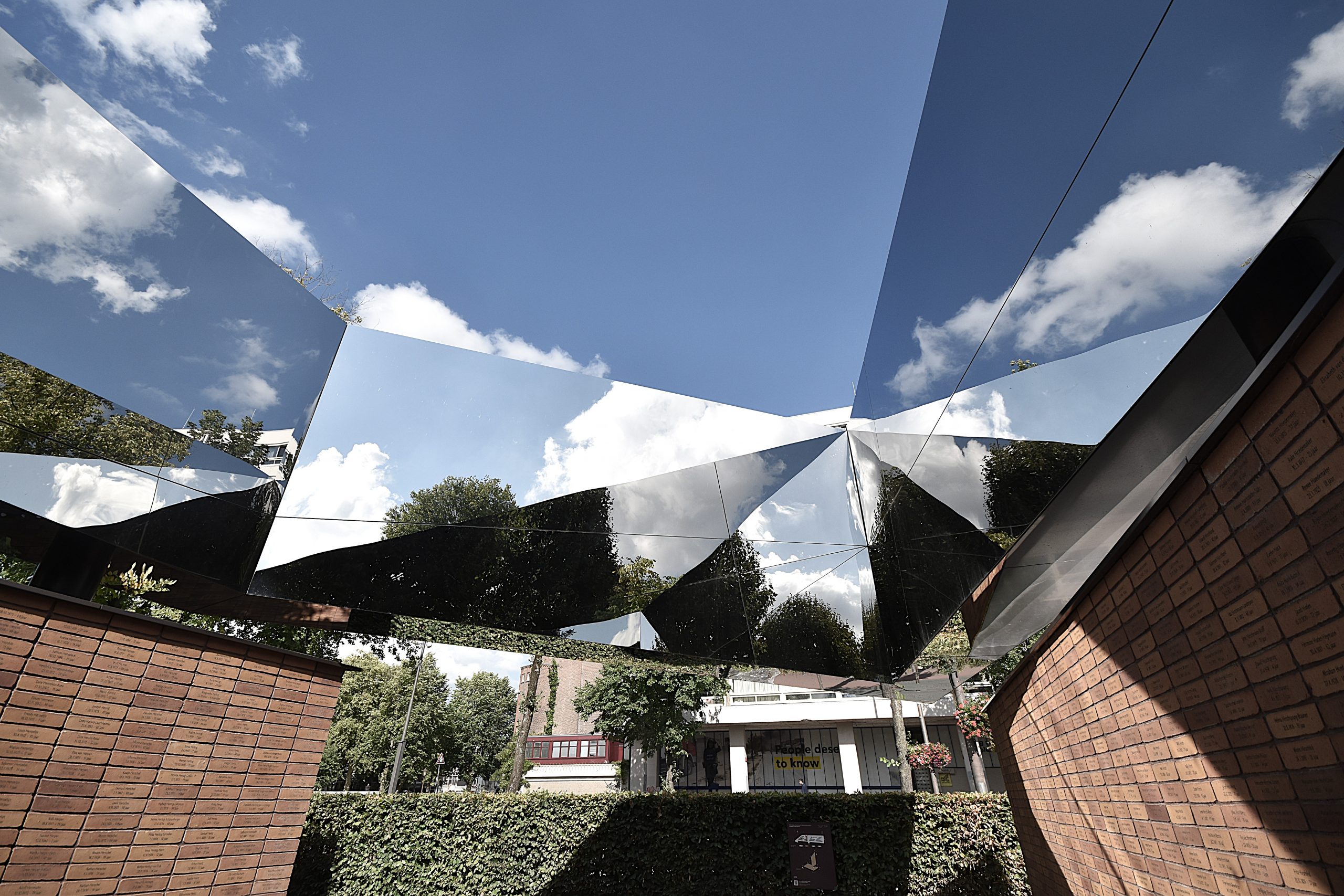
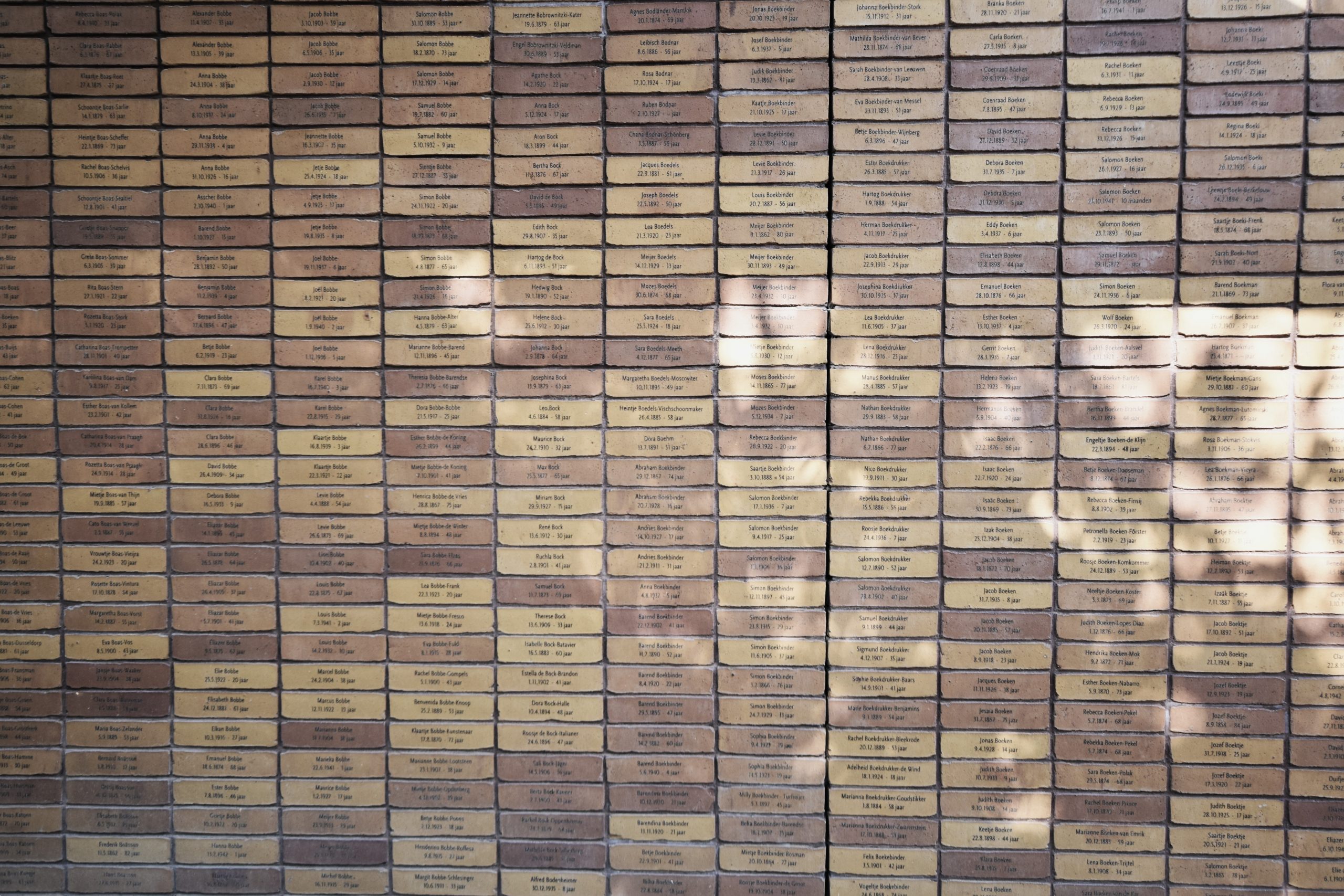
There is a memorial in the heart of Amsterdam, consisting of more than 100,000 bricks, with each brick bearing the name of a victim. Among them is the name Anna Frank—Anne Frank—as she was a resident of Amsterdam. The many bricks are topped with massive mirror constructions that visually connect the memorial to the outside world. Finally, the four bodies formed by the bricks, seen from above, represent the Hebrew word לזכר (Lezachar), which means “in memory.”

This deeply symbolic place was designed by Daniel Libeskind, the American architect who also conceptualized the Jewish Museum in Berlin. It is a solemn site, filled with respect for the individuality of the victims and a strong appeal to the present.

Liked this post? Email me to say hi and I’ll sign you up for more articles like this: send mail
location

To Bike or Not to Bike, That Is the Question

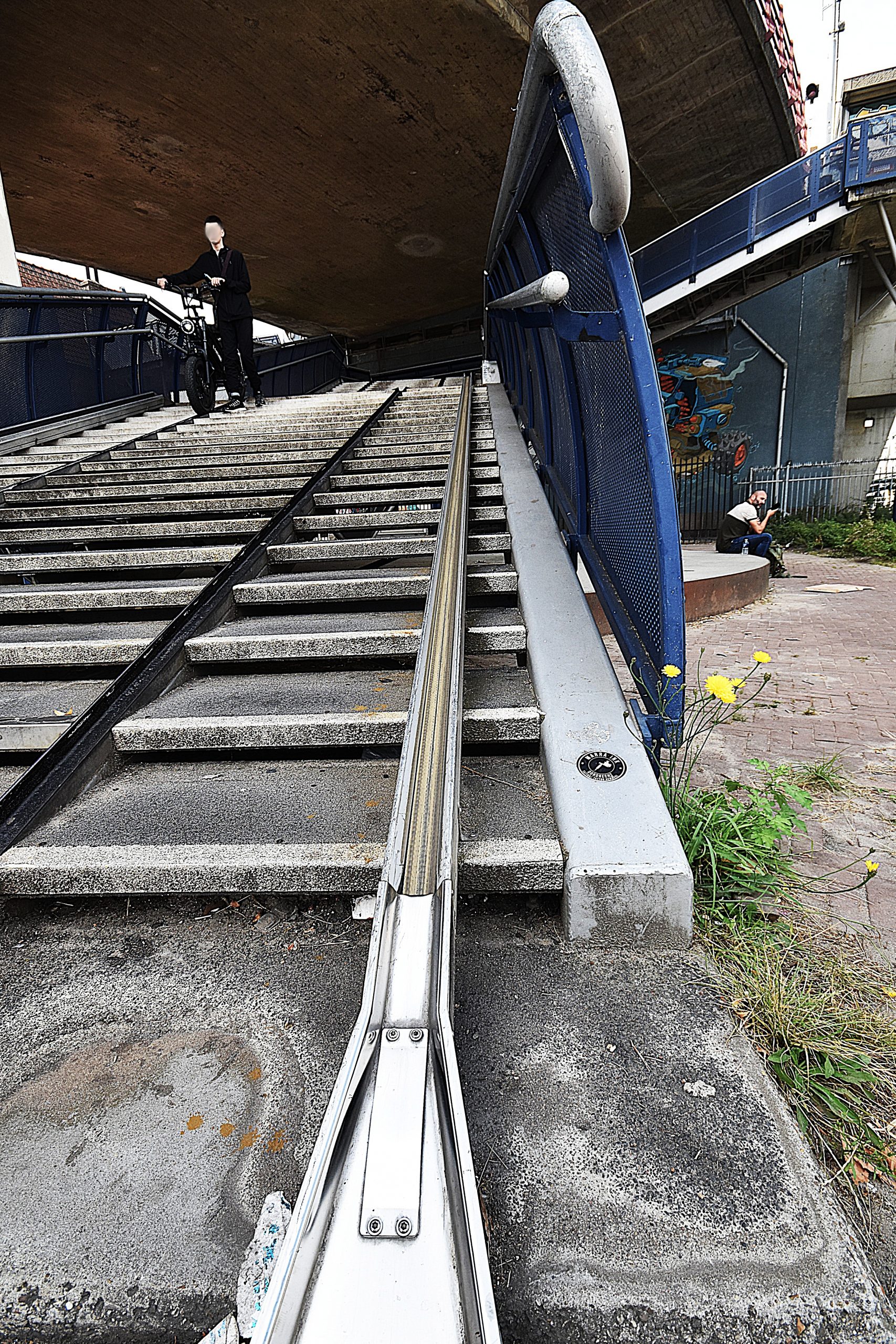
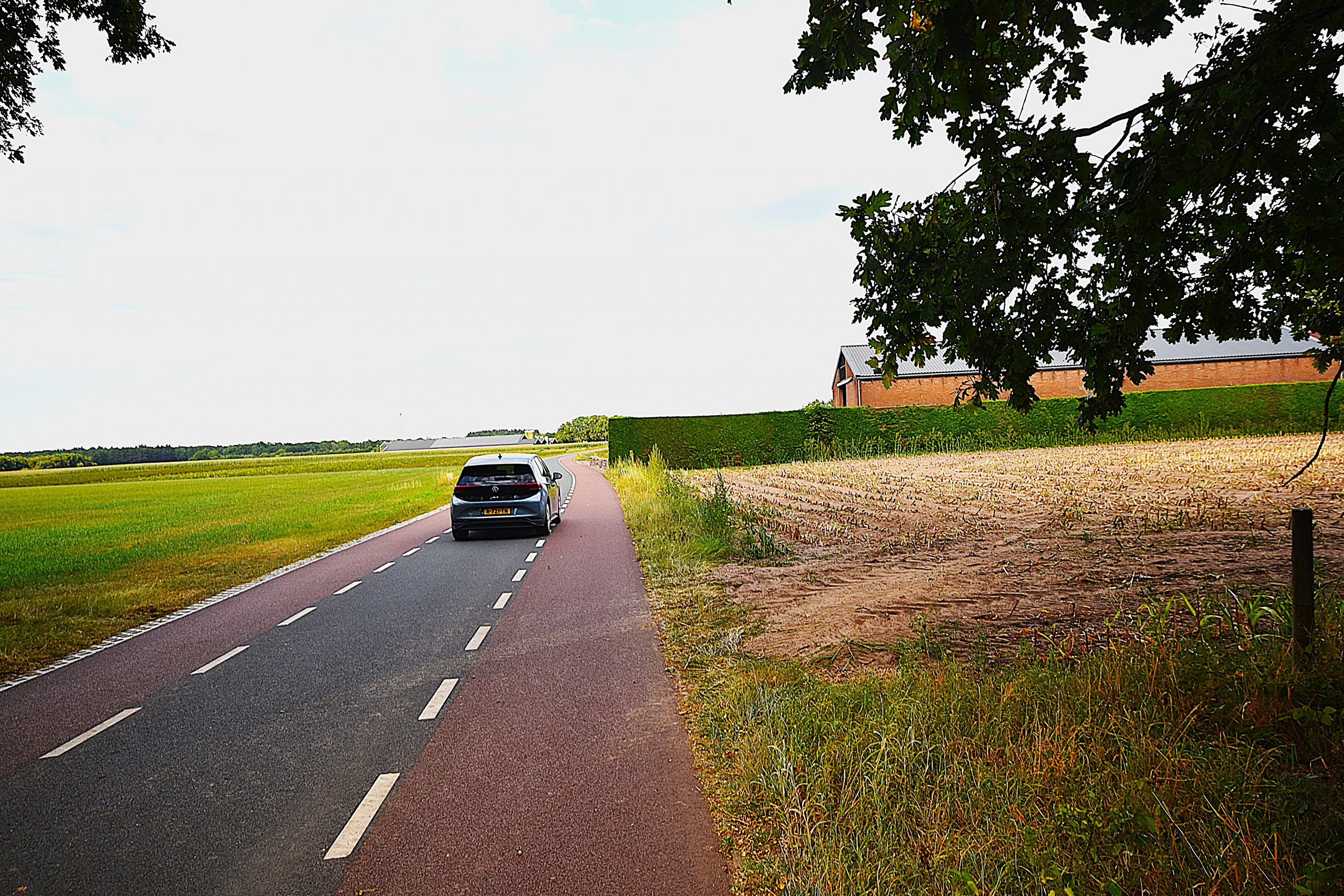
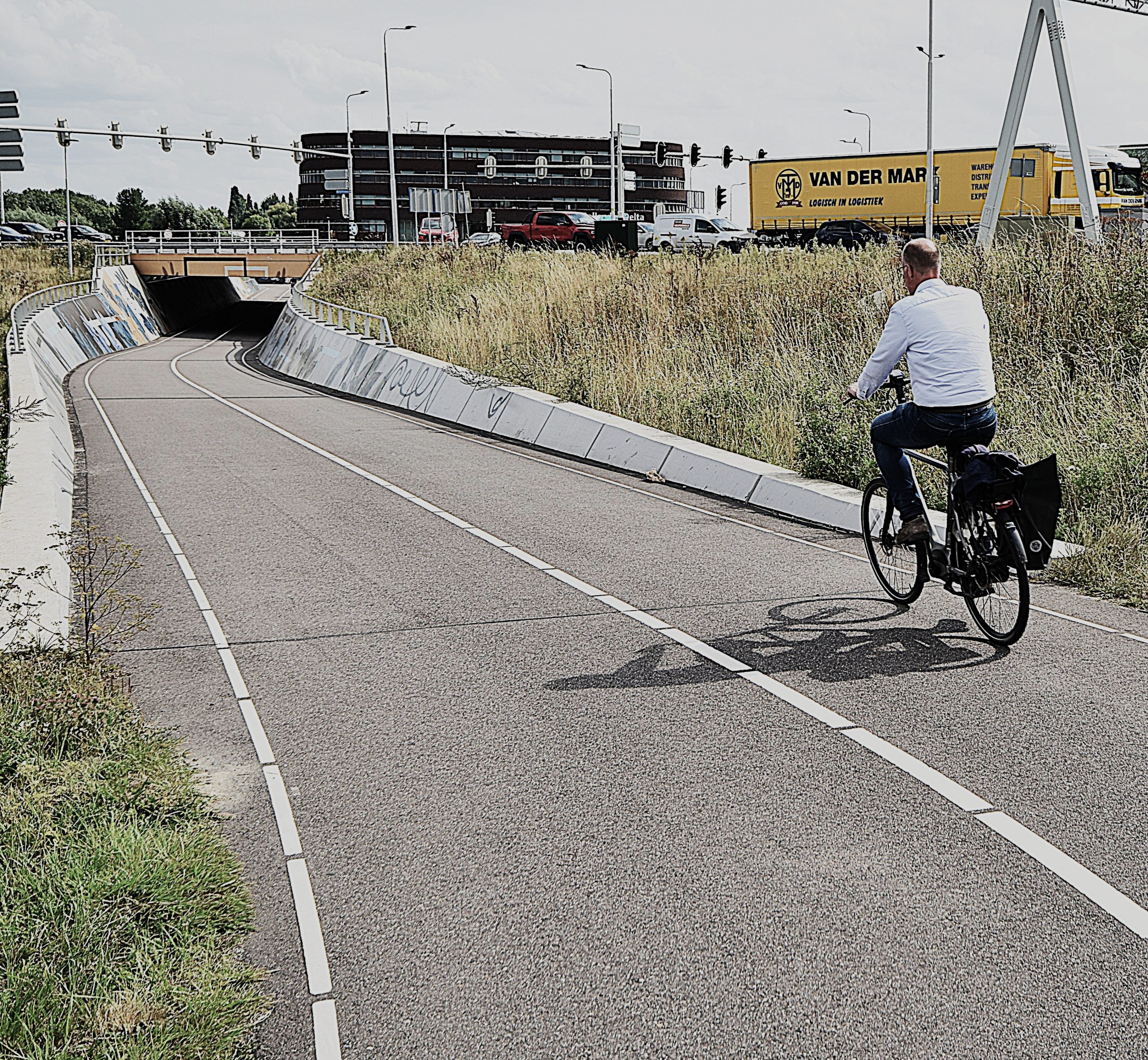
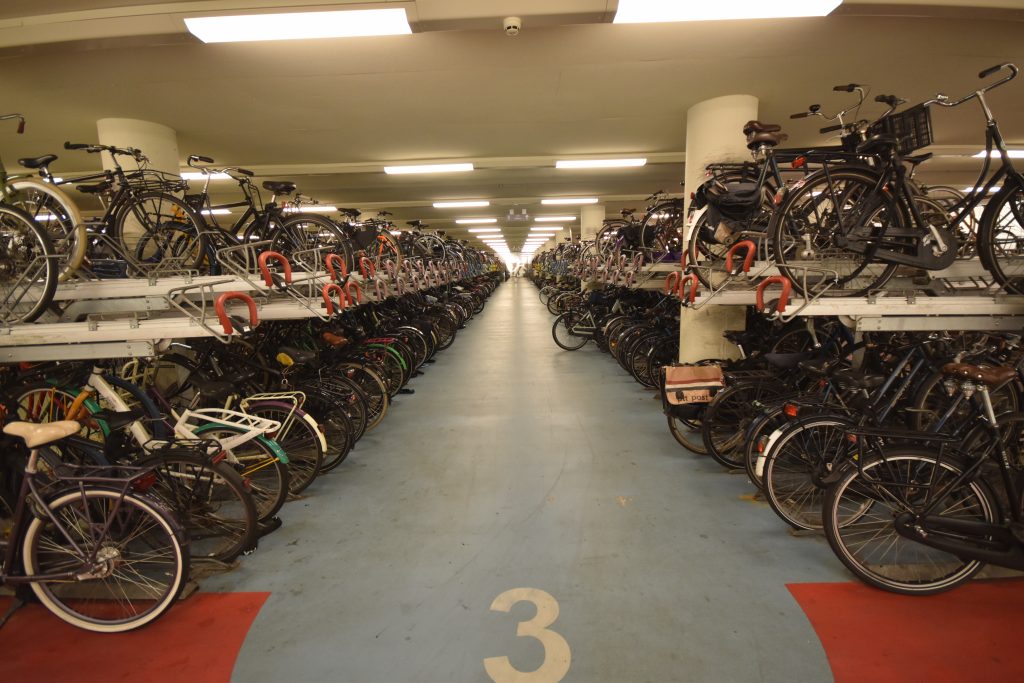
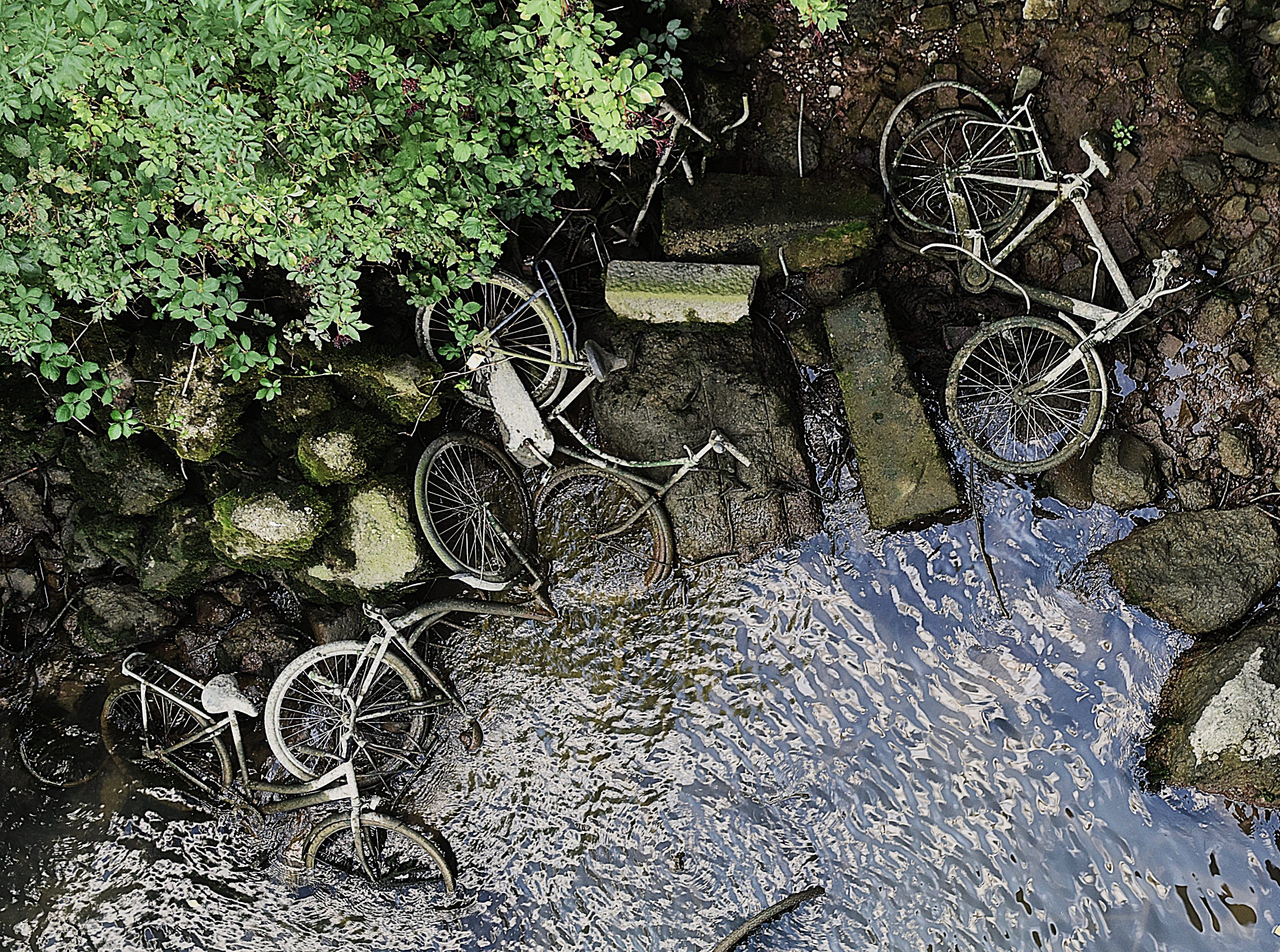
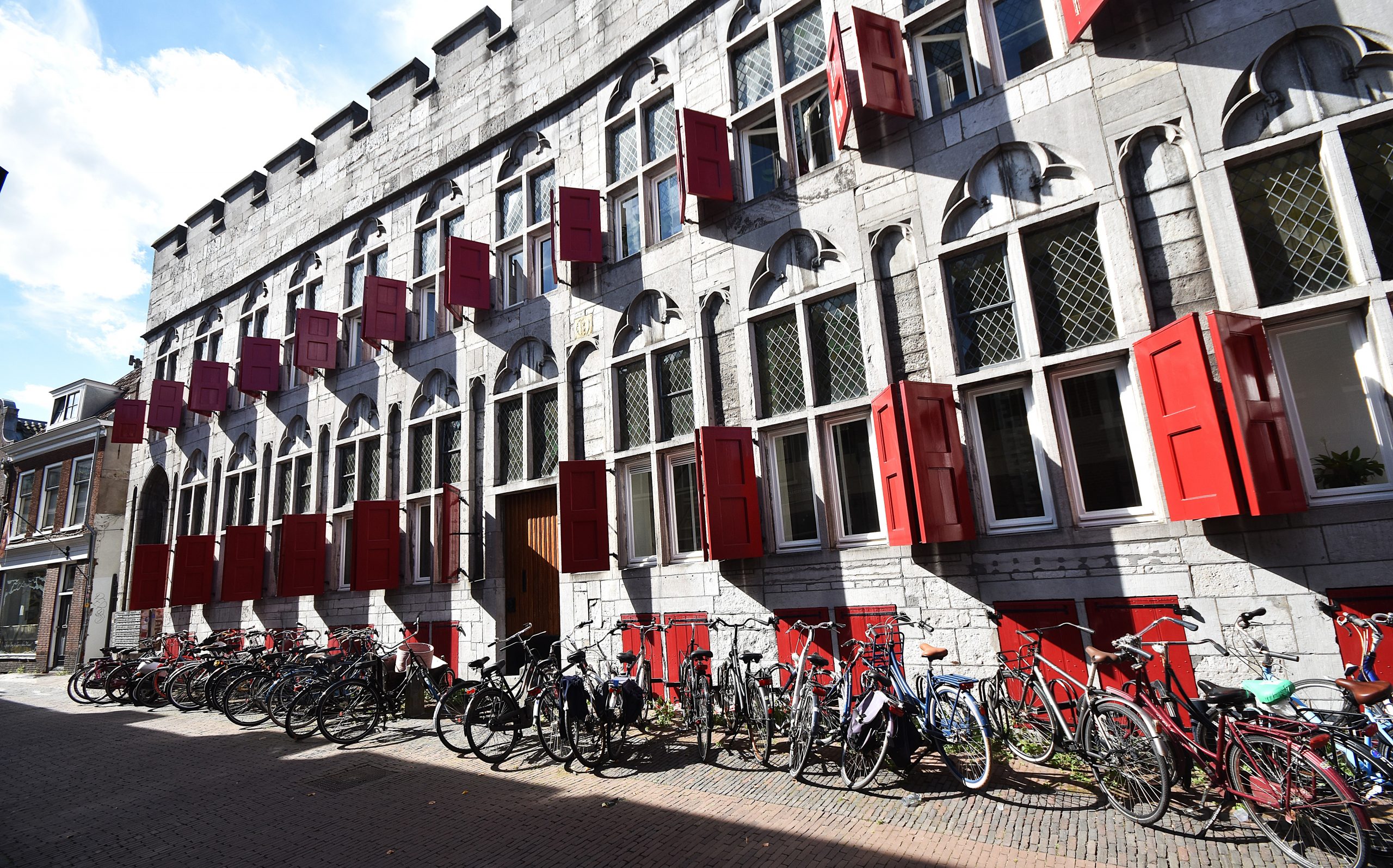
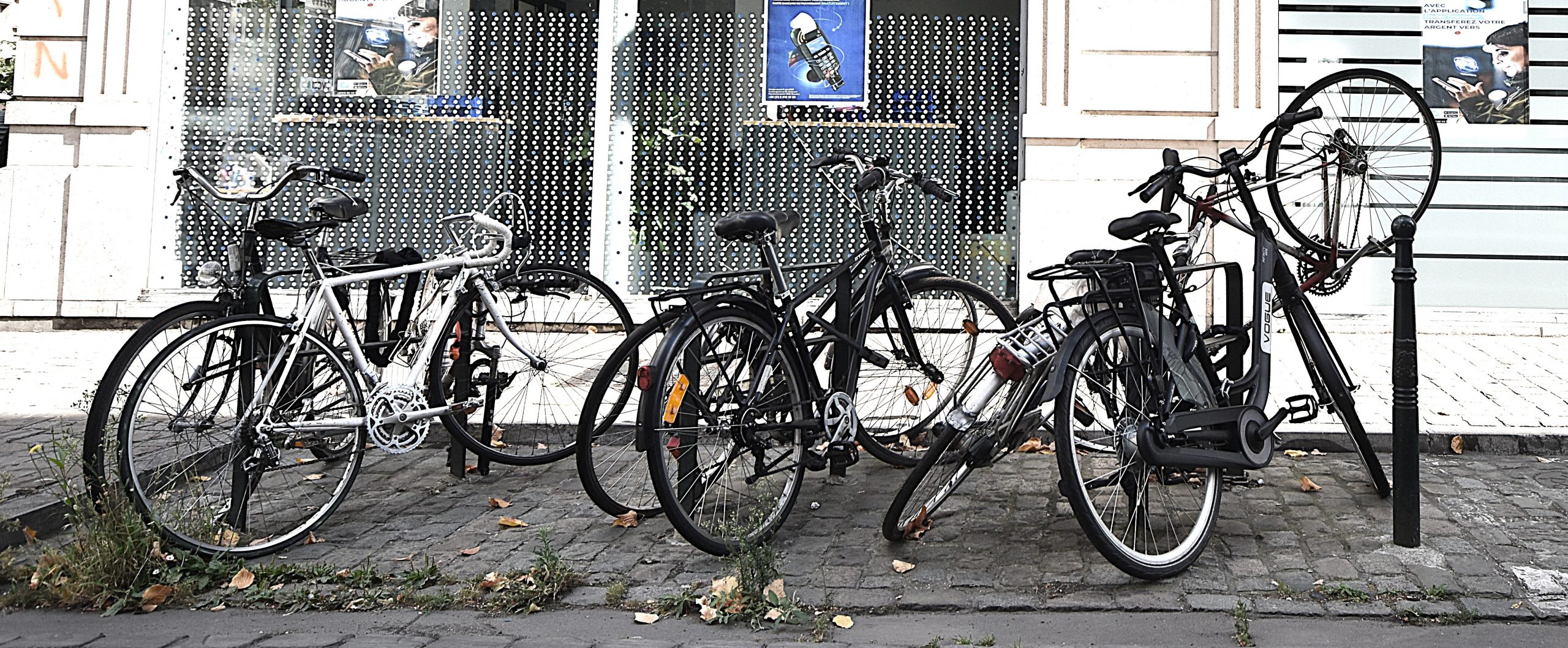
Which can be answered in the Netherlands in only one way: Everybody does it. At least, that’s what it seems like, especially in cities like Amsterdam and Utrecht. Statistics show that almost one-third of all trips in the Netherlands are made by bike, and judging by the overwhelming presence of bikes parked along the streets, I’d guess the percentage is even higher. Often, huge crowds of bikes dominate the streets, and a single car caught between them just tries to hide. This is a biker’s paradise—cyclists are treated as a priority. Car drivers are also very careful not to ignore a biker’s right of way, which might have something to do with the fact that car drivers are legally more liable in case of accidents.

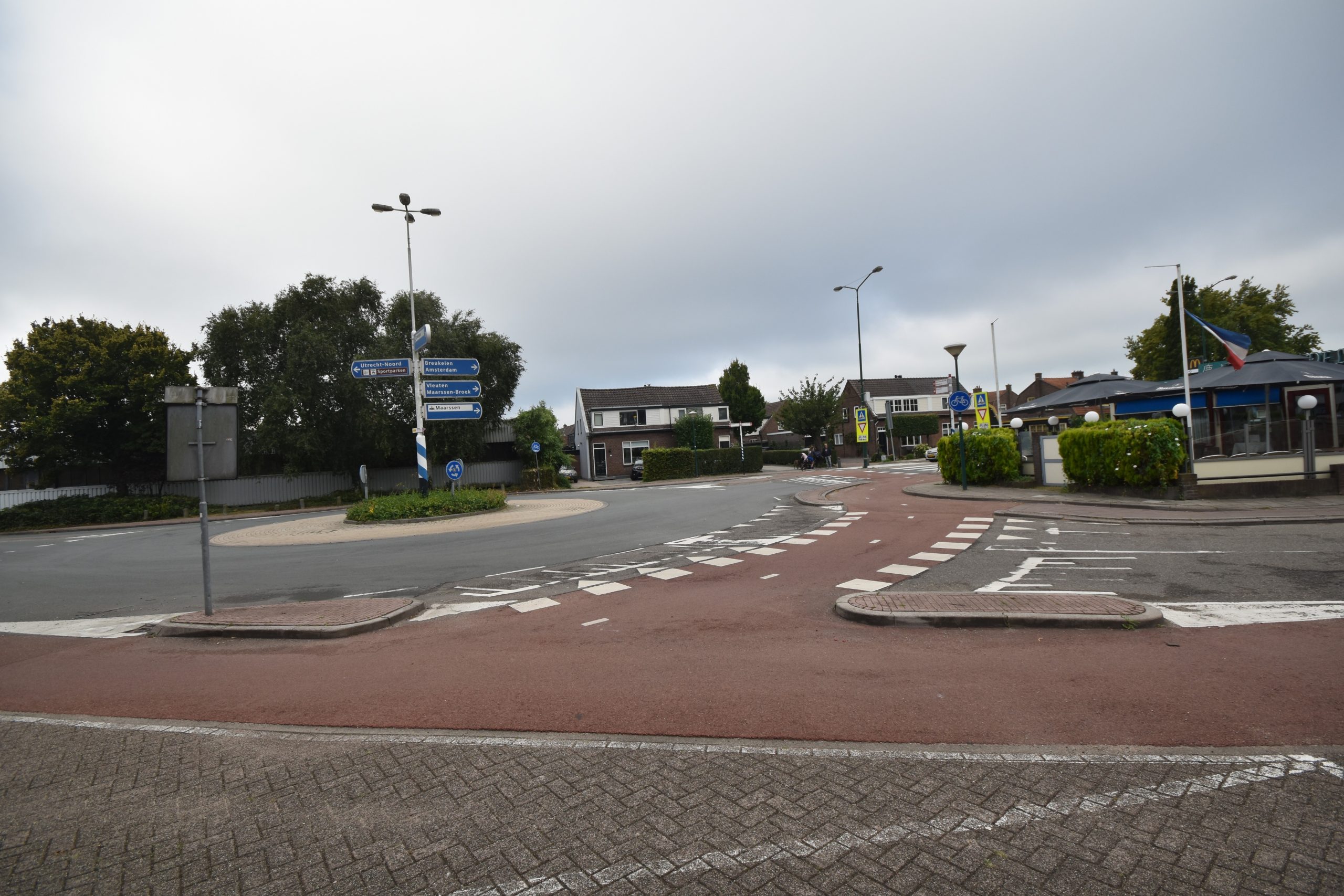
Bike lanes (or even escalators, as in the picture on the left/above) are everywhere—not just one lane, but almost always lanes in both directions. On the other hand, because there are so many bikers, they must obey the rules. For example, every turn a biker makes must be signaled by raising the corresponding arm. Disrespecting this rule can result in a fine of 40 euros. Ignoring red lights can cost as much as 110 euros, and riding without lights at night could set you back 60 euros. It’s no surprise, then, that all bikers respect the rules—though, in Amsterdam, there seems to be a bit more laxity.

However, my favorite feature is the red bike lanes. When the bike lane is painted red, cyclists have priority, no matter what. It’s a great feeling to pedal along without worrying about all the cars around you.

Liked this post? Email me to say hi and I’ll sign you up for more articles like this: send mail
One of the most beautiful cities…

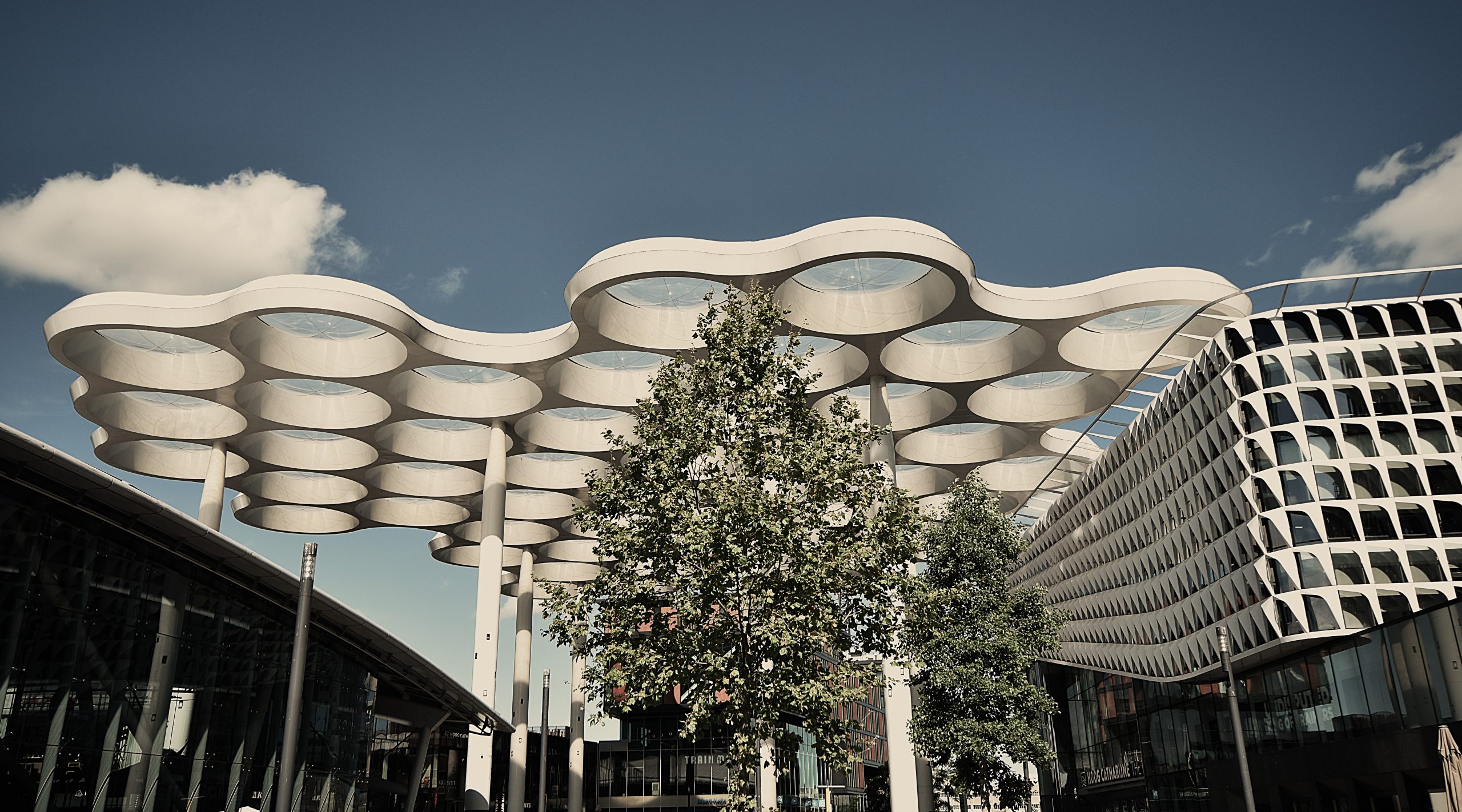
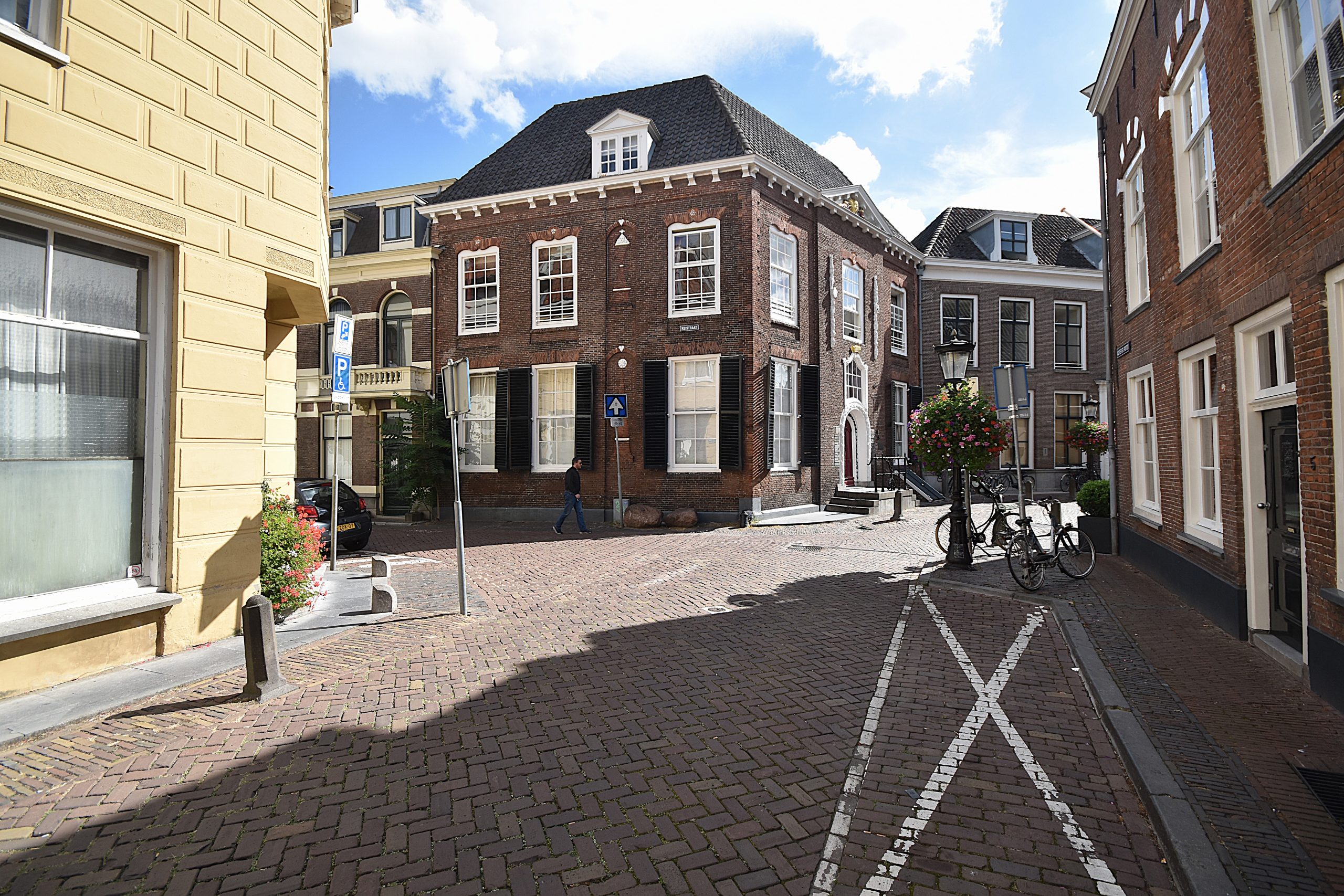
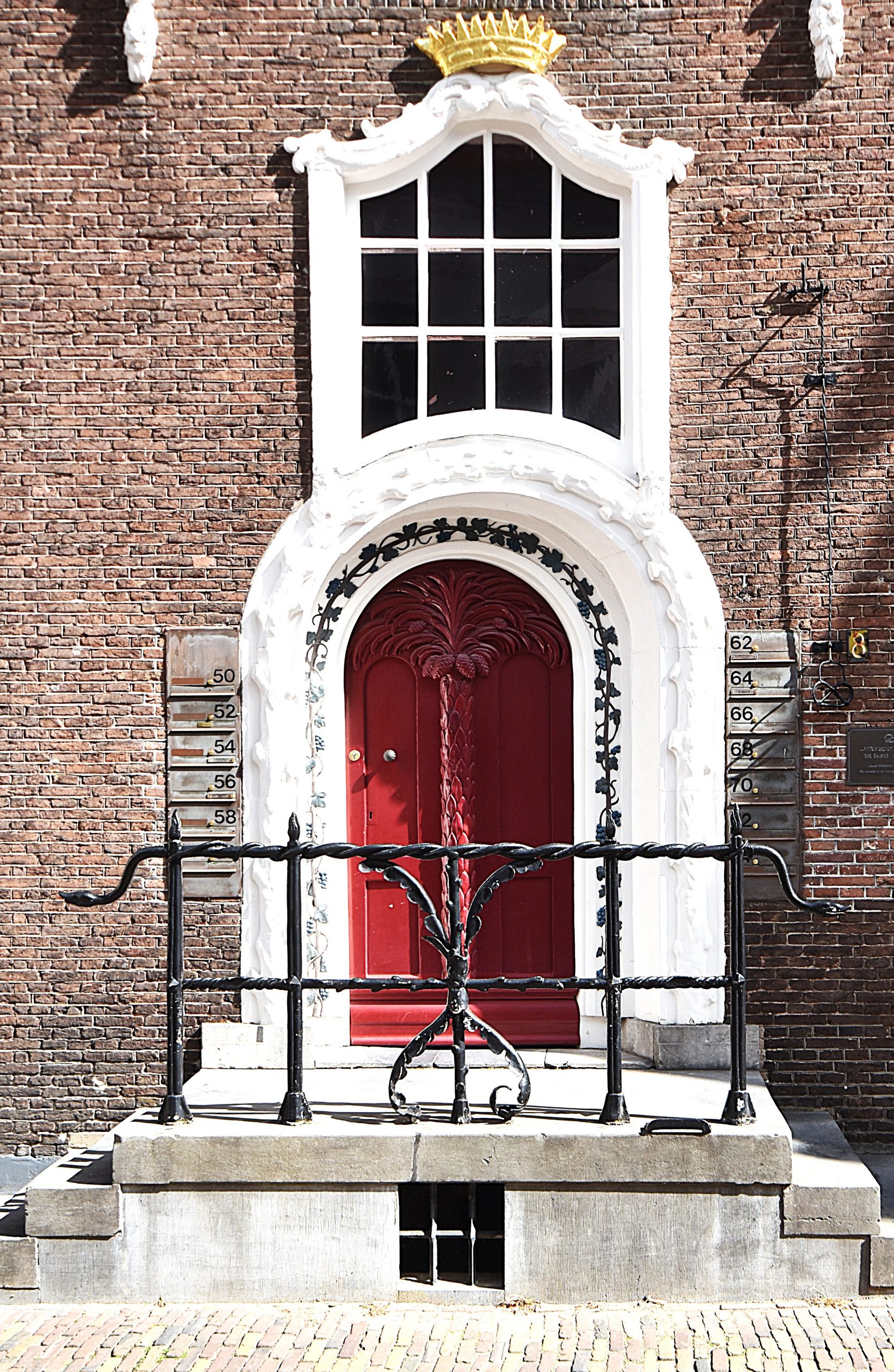
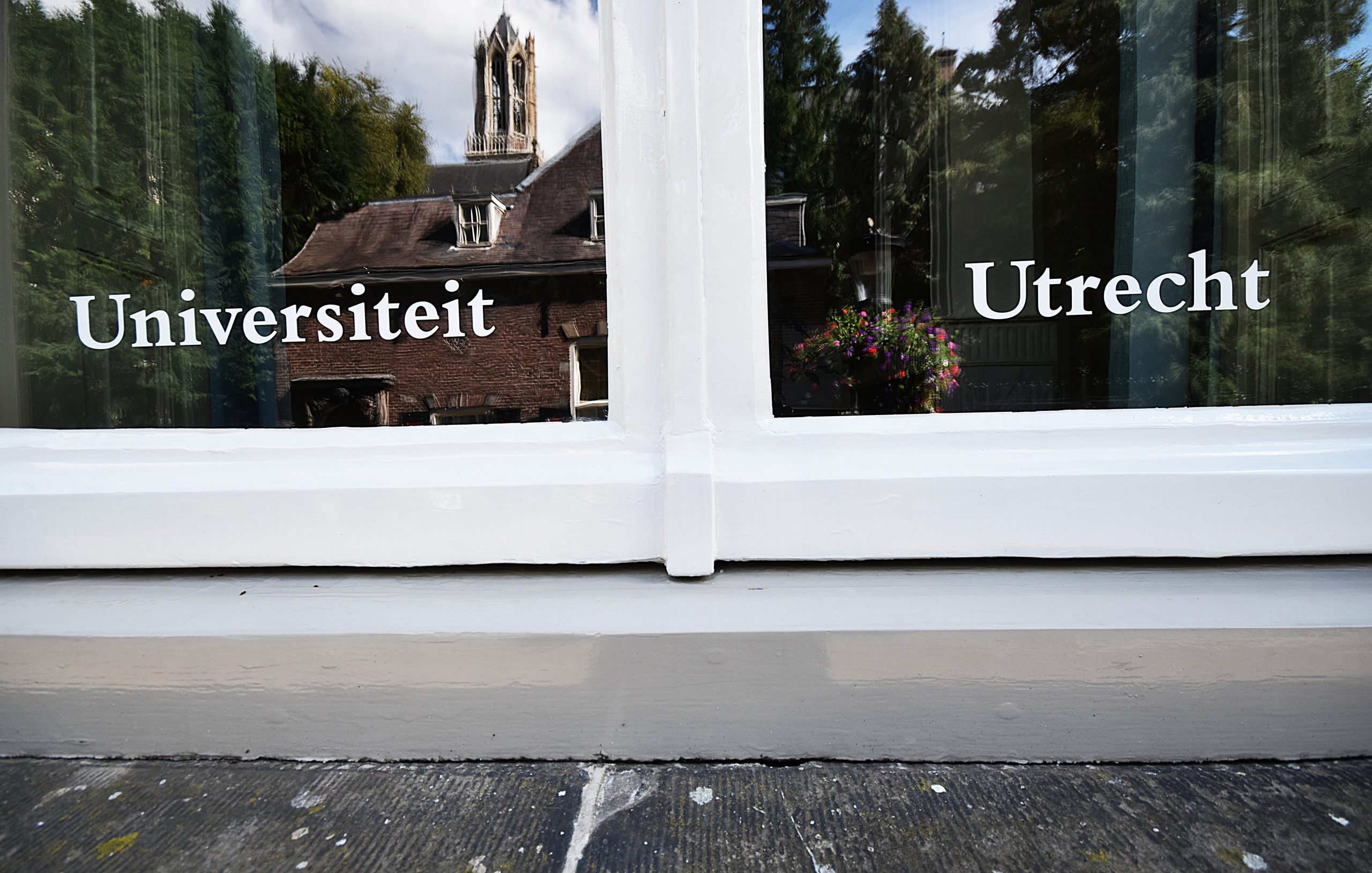
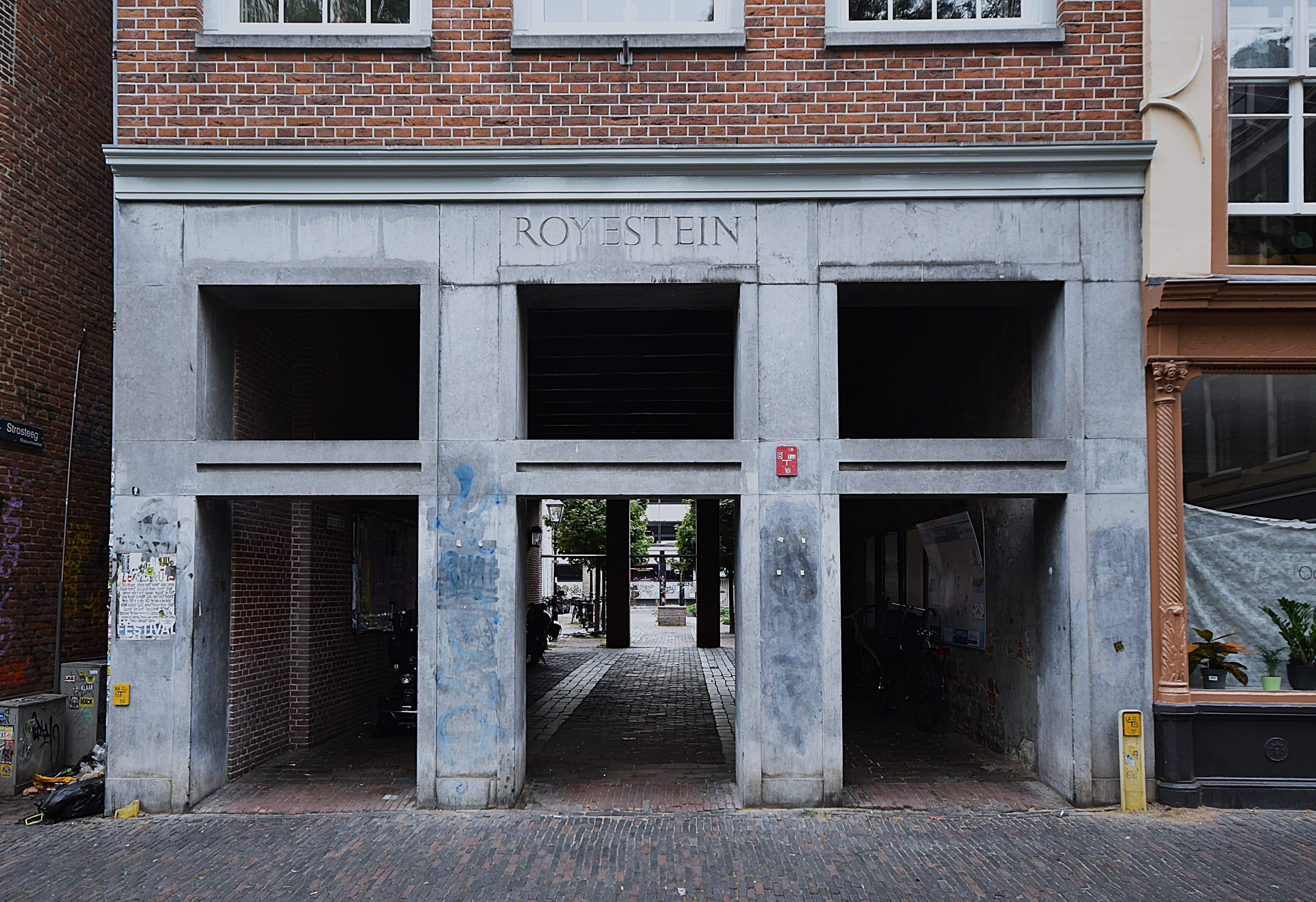
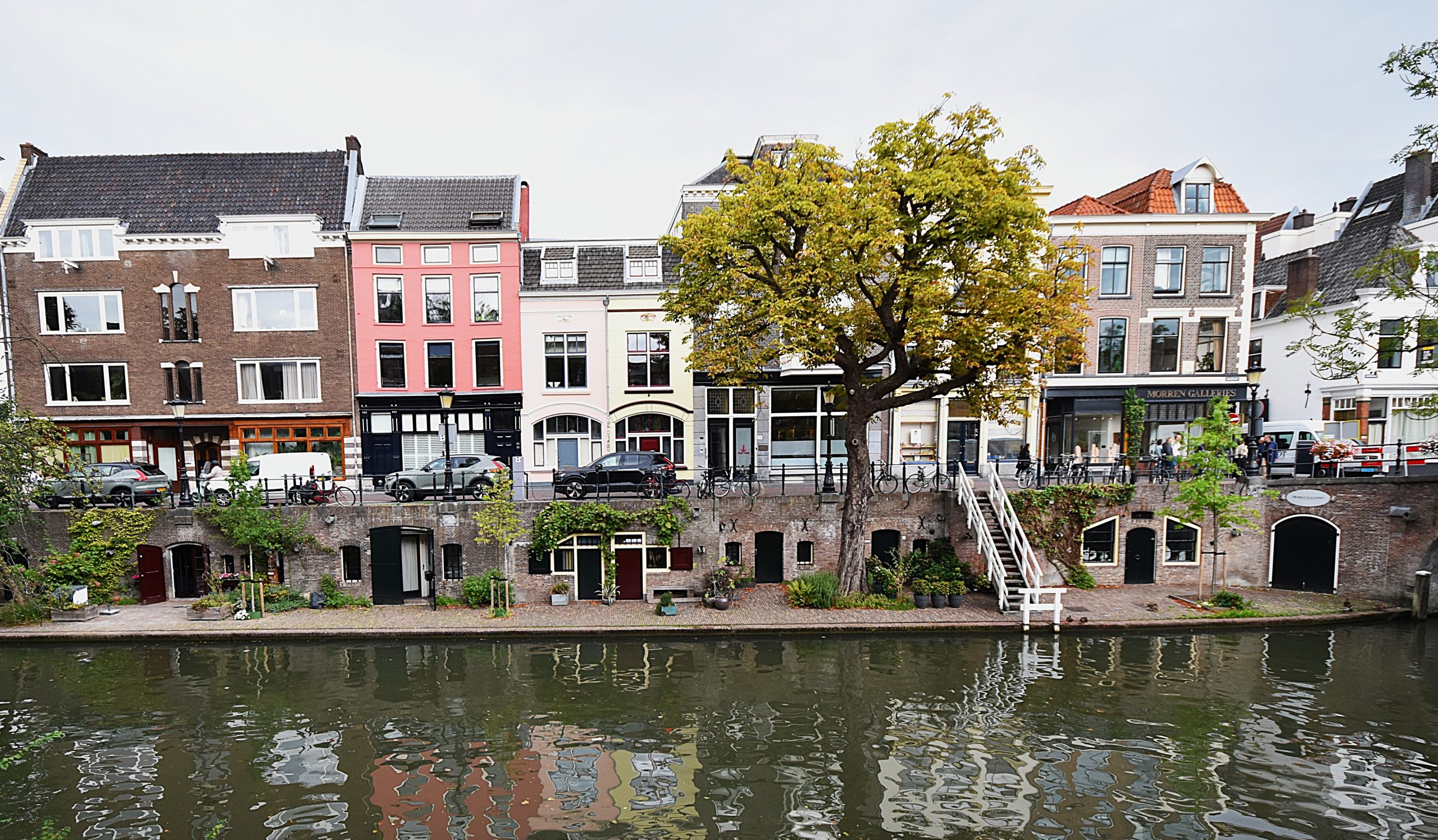
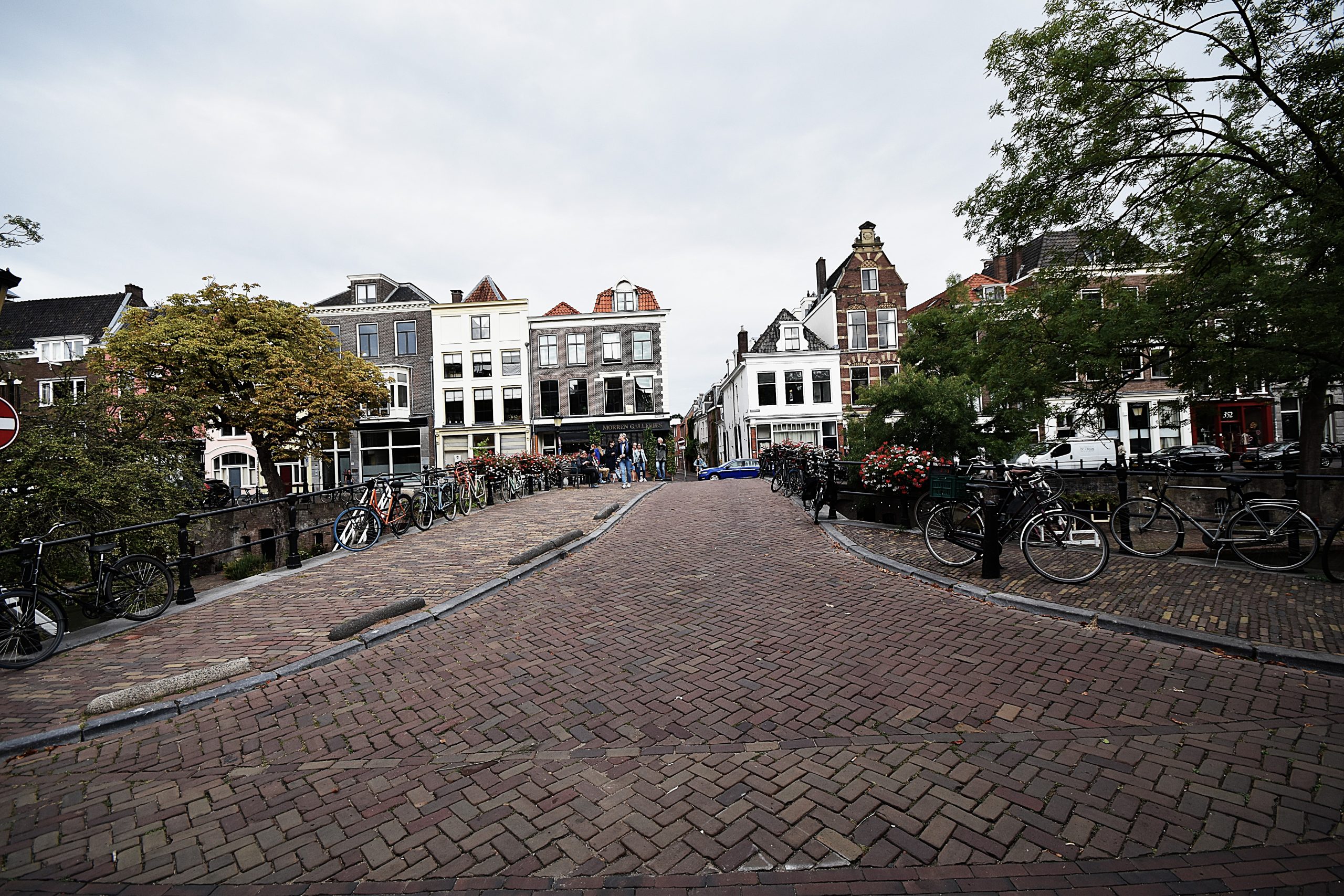
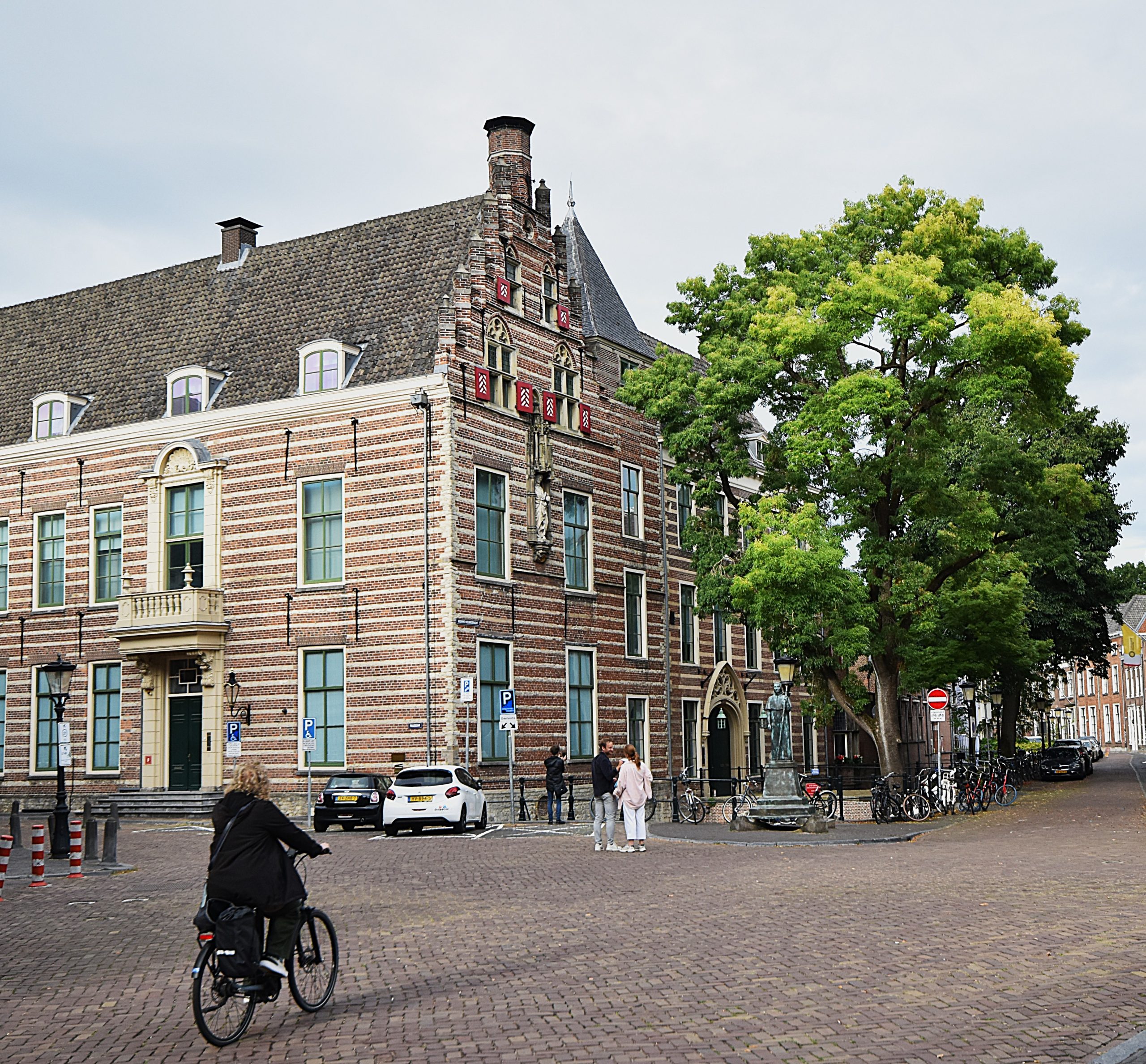
… I have ever seen is Utrecht in the Netherlands. With a population of about 380,000 residents, the city is a transportation hub and home to a renowned university. Its historic city center is well-preserved and well-maintained, with streets filled with friendly people, cafes, pubs, and numerous little shops.

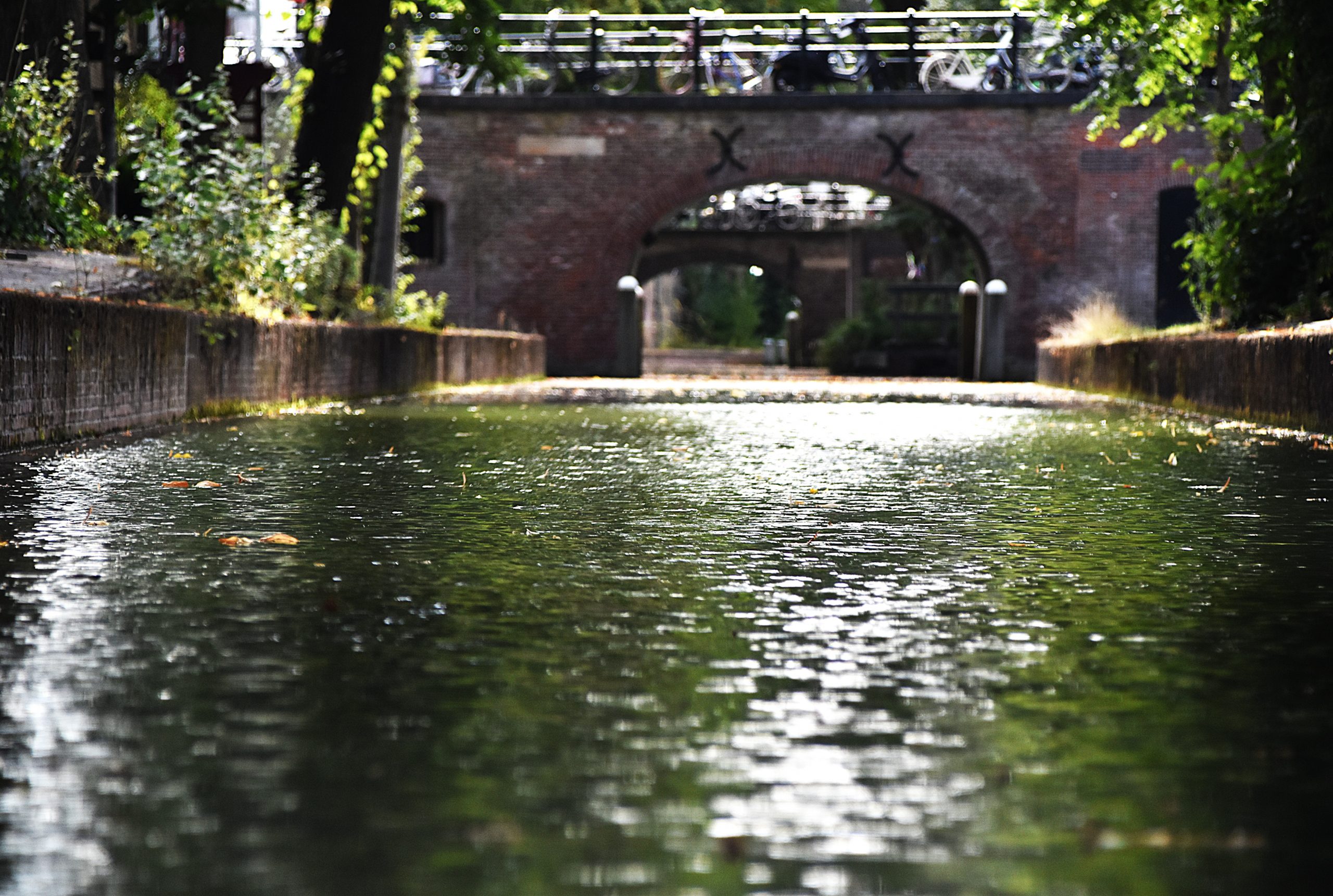
What I found most amazing, though, were the grachten (canals). These waterways run through the city, and while they are mainly decorative today, they originally served practical purposes. When they were first constructed (1200-1400), their primary functions were twofold:

First, large parts of the Netherlands are below sea level, creating a constant challenge with swampy ground. This is why the Dutch are renowned for their expertise in drainage systems. The grachten were dug to help drain excess water.

Second, in an era before modern roads, railways, and airplanes, transportation by water was the most efficient way to move goods.

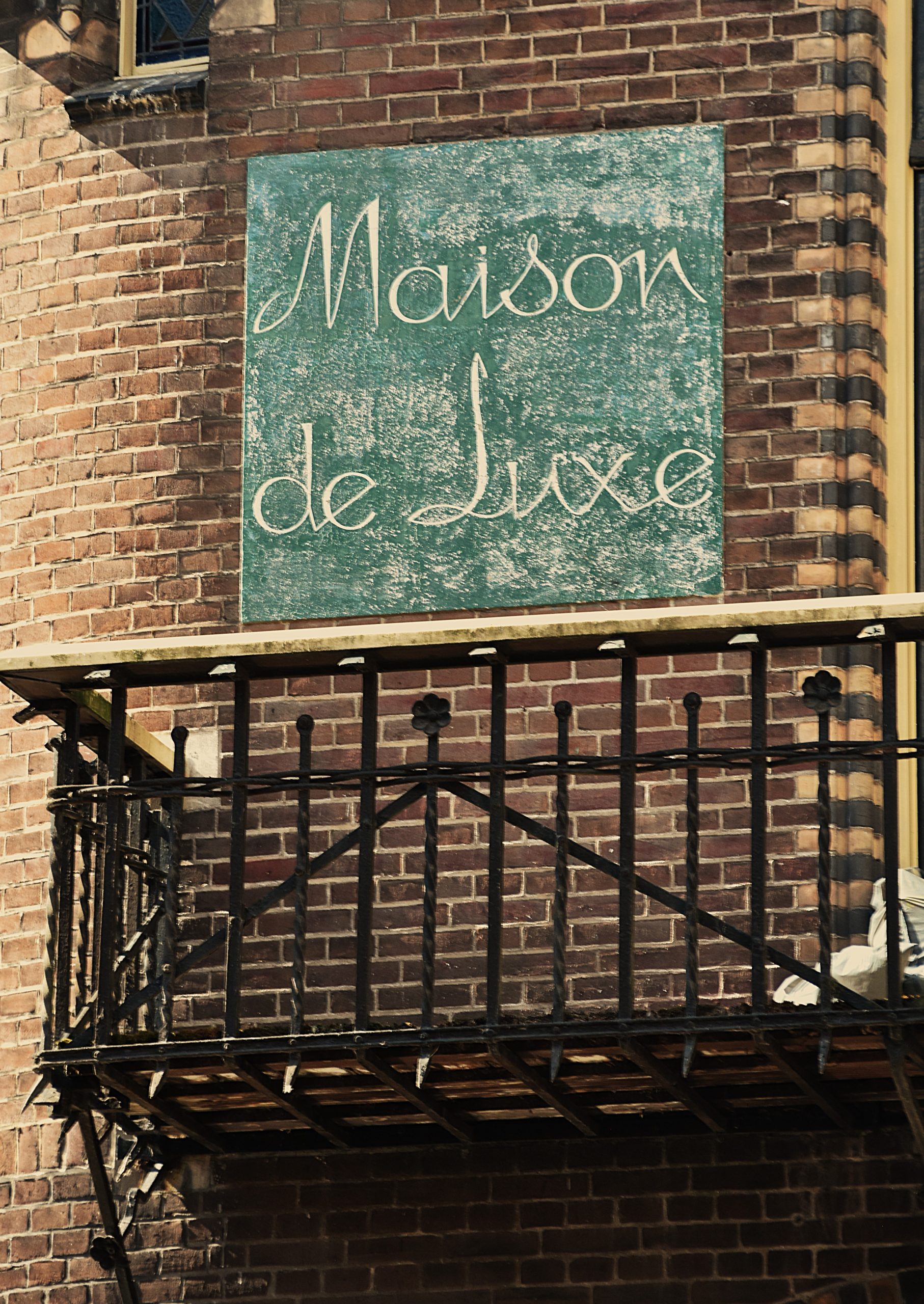
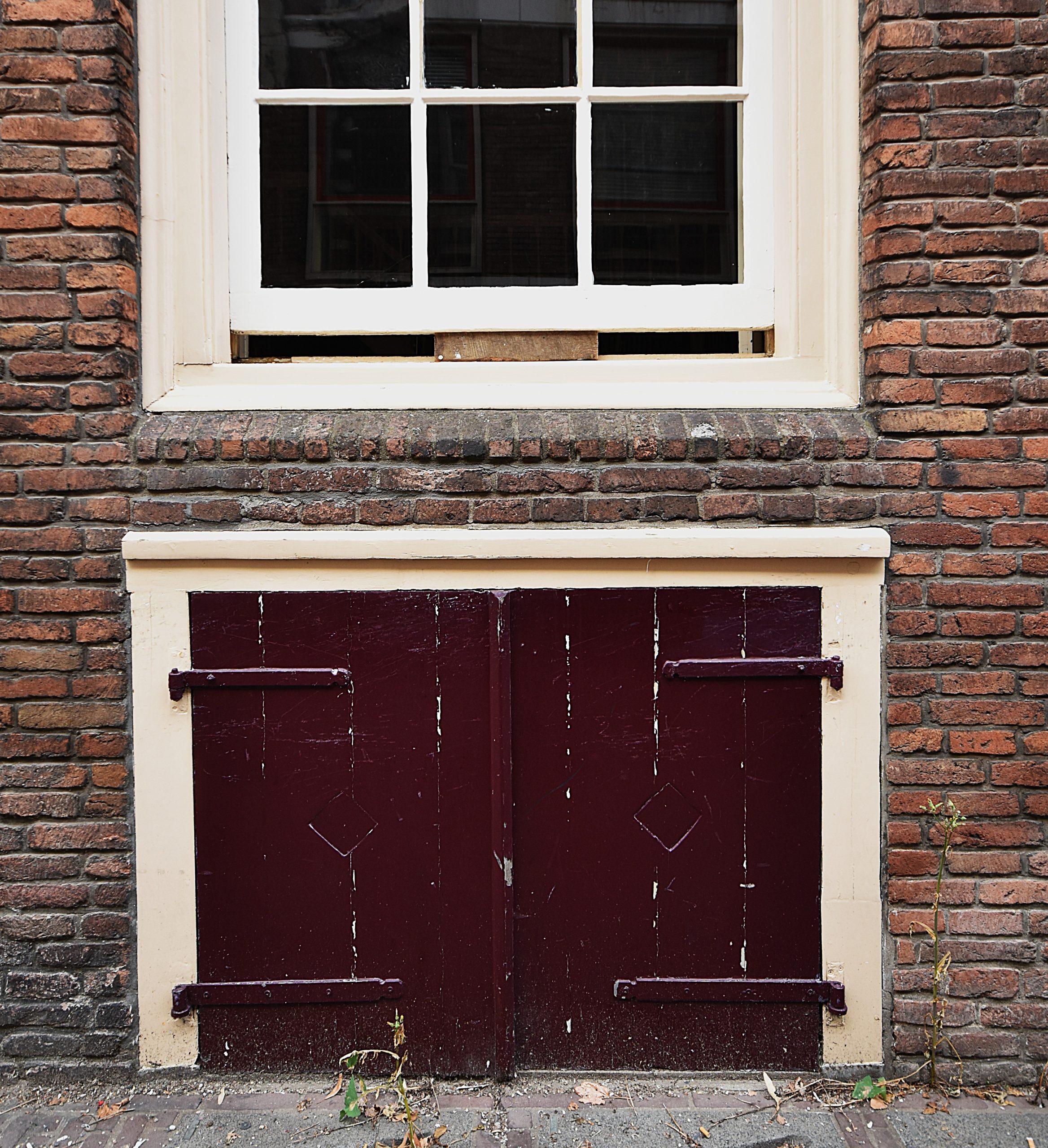
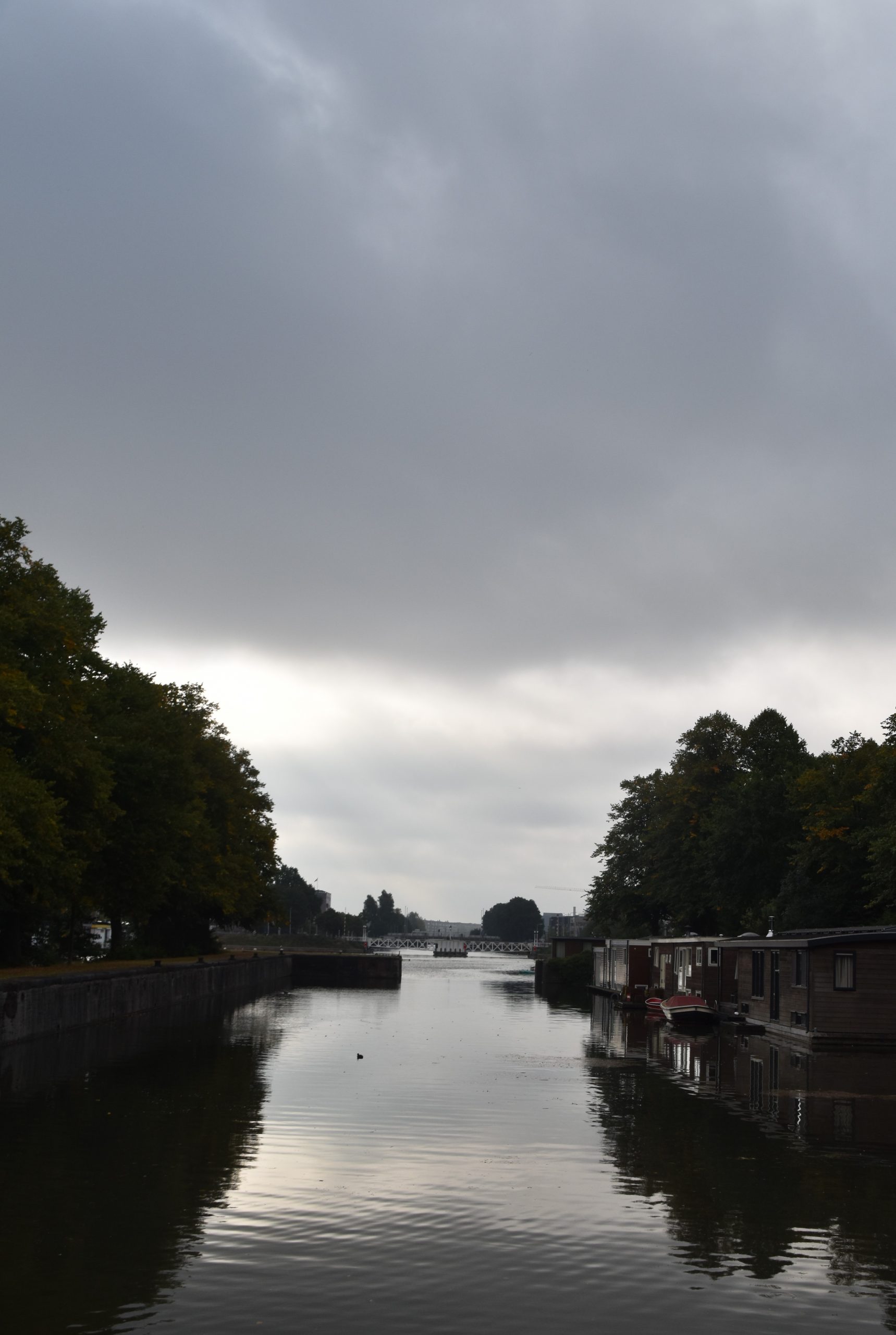
The combination of these historic canals, the city’s stunning architecture, and the vibrant, lively atmosphere made Utrecht one of the most beautiful cities I have ever visited. I couldn’t stop taking pictures—see below!

Liked this post? Email me to say hi and I’ll sign you up for more articles like this: send mail
location

Accommodation next Level?

It used to be that walking into a hotel meant looking for the reception desk. Then, there was somebody explaining things, taking care of the payment, and basically smiling and saying hello. If there was any problem during the stay, I’d go back there, and they would solve it. In good places, that can make one feel safe and taken care of.

These days, I often use Airbnb—not just because it’s often more affordable than a hotel. Often, I can meet the host, and conversations tend to evolve. Quite frankly—for me, these talks are often the most memorable part of the travel experience. There are so many things to learn, and there’s no better way than this: talking to the locals.

And then there’s the next level—or well, maybe it’s actually a lower level?

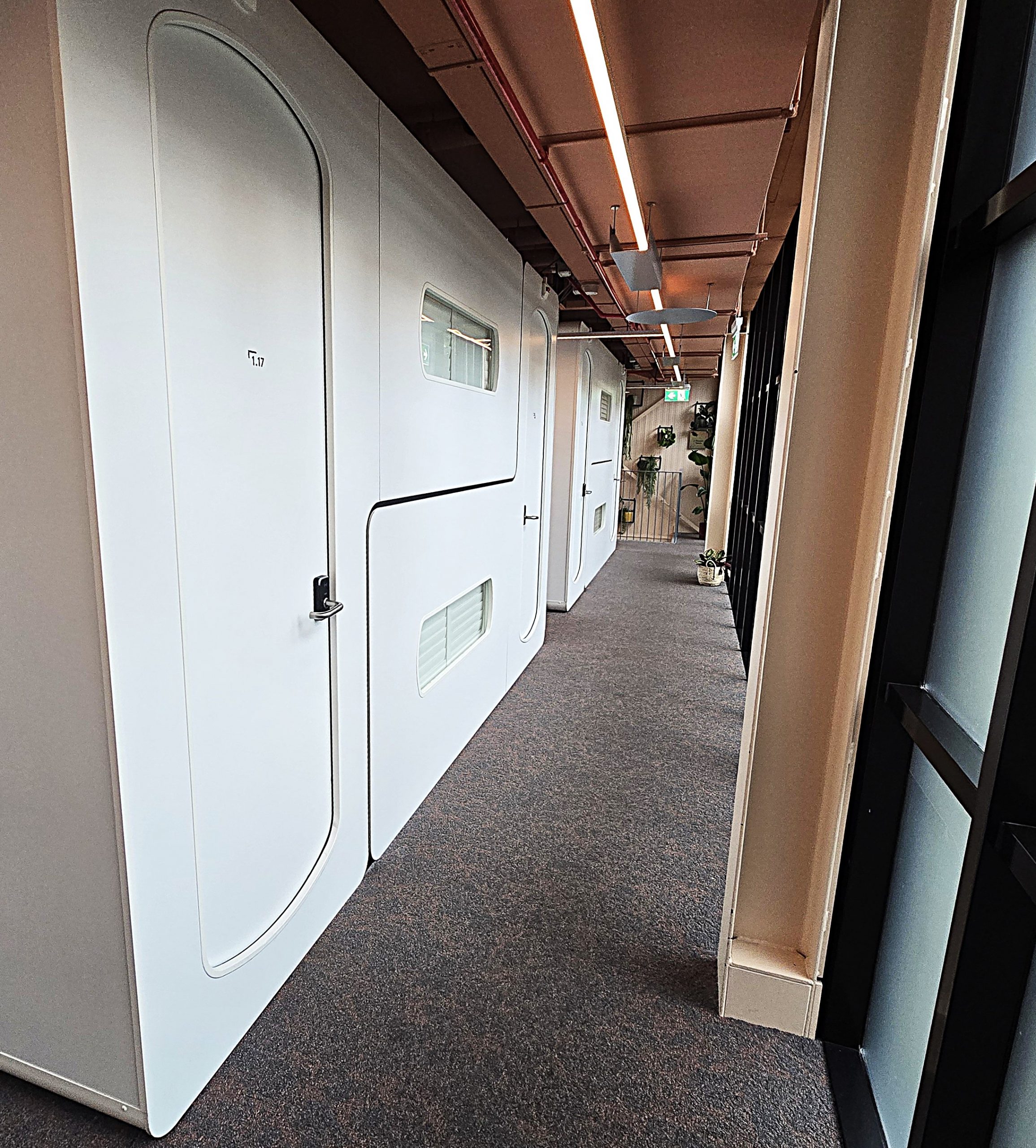
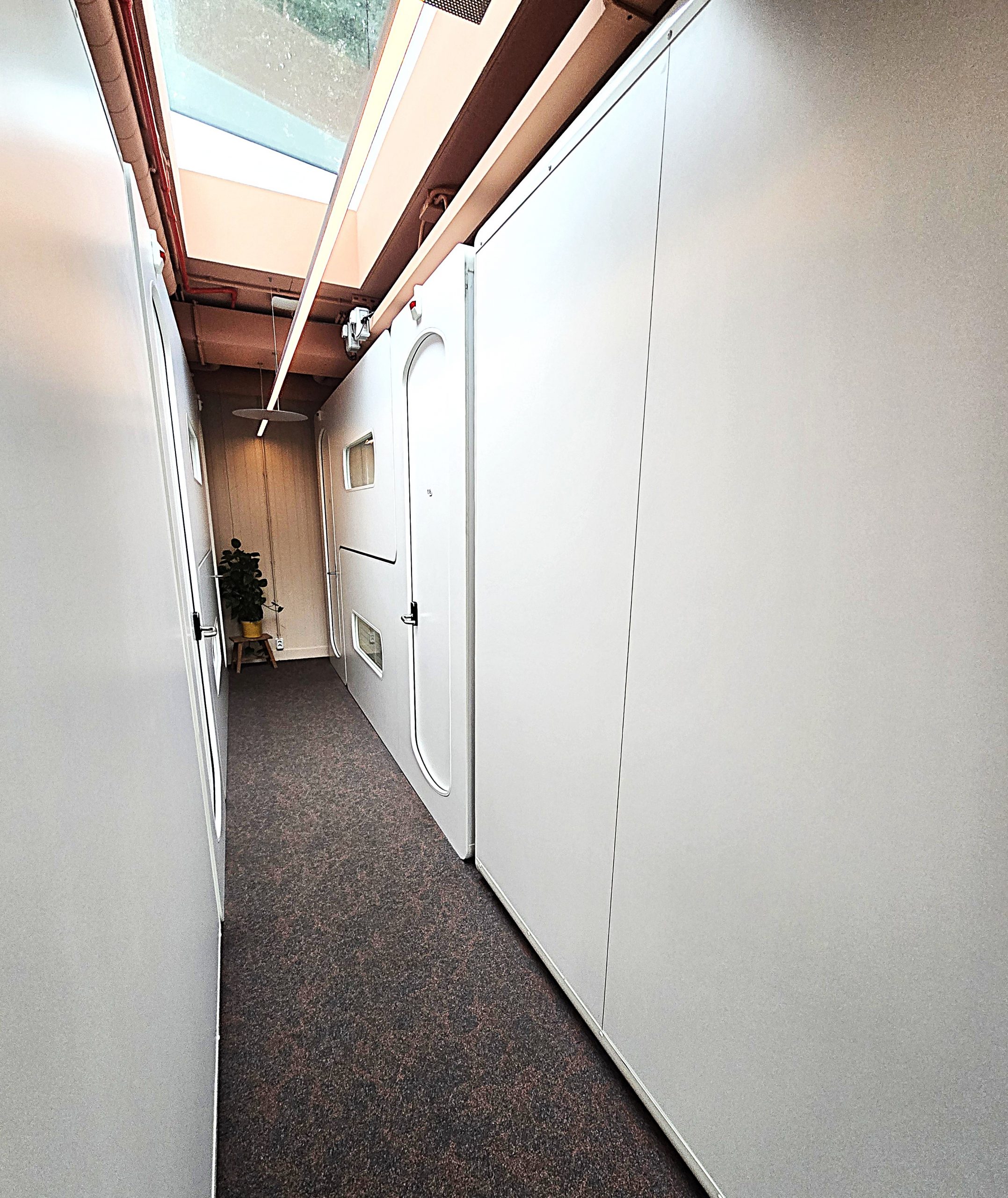
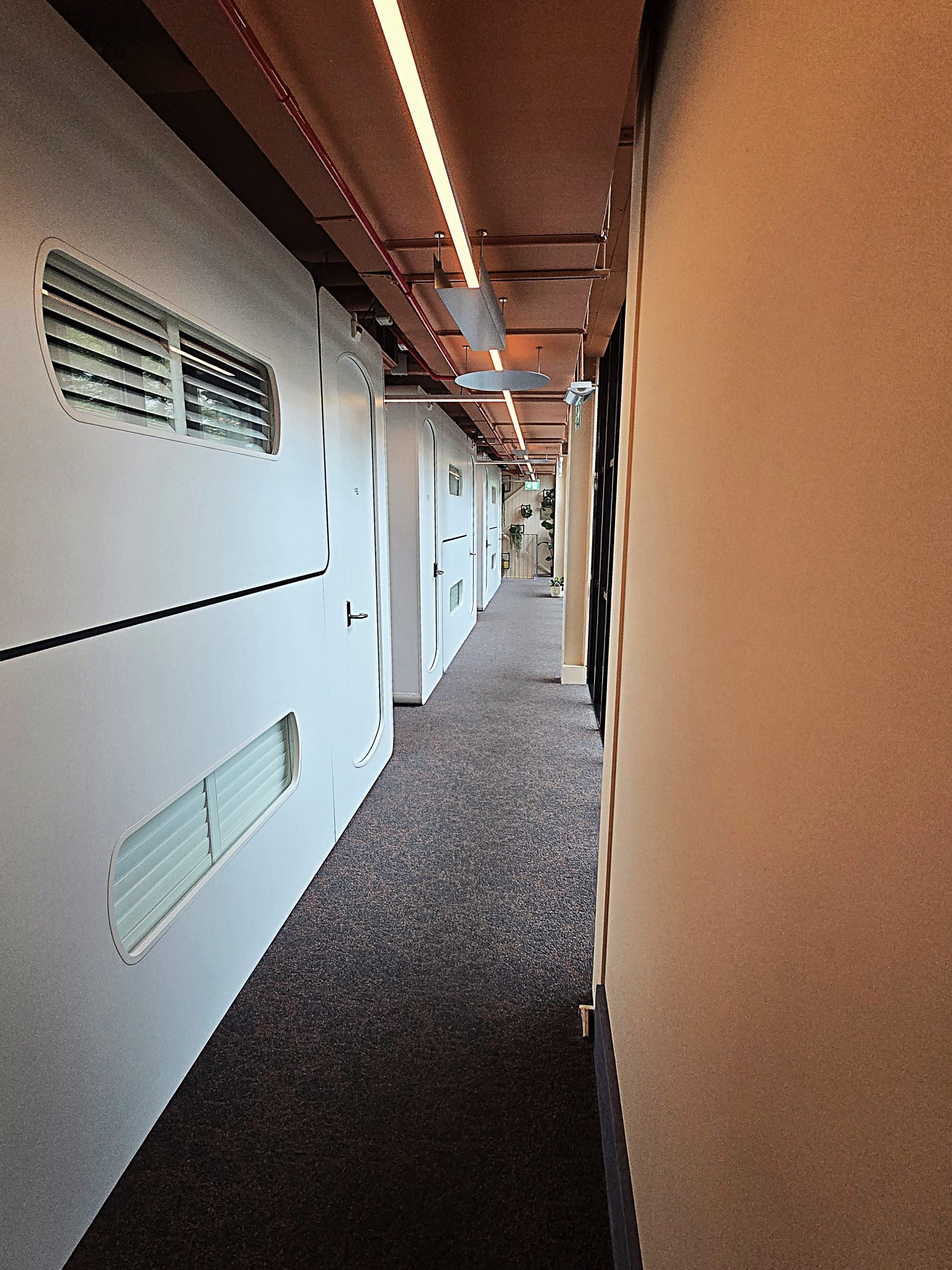
In hotels, more and more often, the check-in is contactless. Sometimes, I don’t see anyone at all—just codes and messages floating around. The next level is cabins. Again, mostly wireless. In fact, at “CityHub Rotterdam,” there is a wristband with a chip that allowed me to go wherever I was permitted to: bathroom, shower, cabin, and the front door of the place.

Originally, I had planned to stay in Rotterdam for three full days. But some people advised me not to spend too much time there—and now, I’m thankful. Even one night was almost too much. Rotterdam was destroyed by German bombers in 1940, to force the Dutch military to surrender. After the end of the war, the city wasn’t reconstructed—it was rebuilt from scratch. That means that today, Rotterdam is an industrial city made of modern, sometimes seemingly soulless architecture and a lot of concrete. It’s not worth the visit.

But I stayed for one night because I wanted to find out what this next (or lower?) level of hotel—cabins—is like.
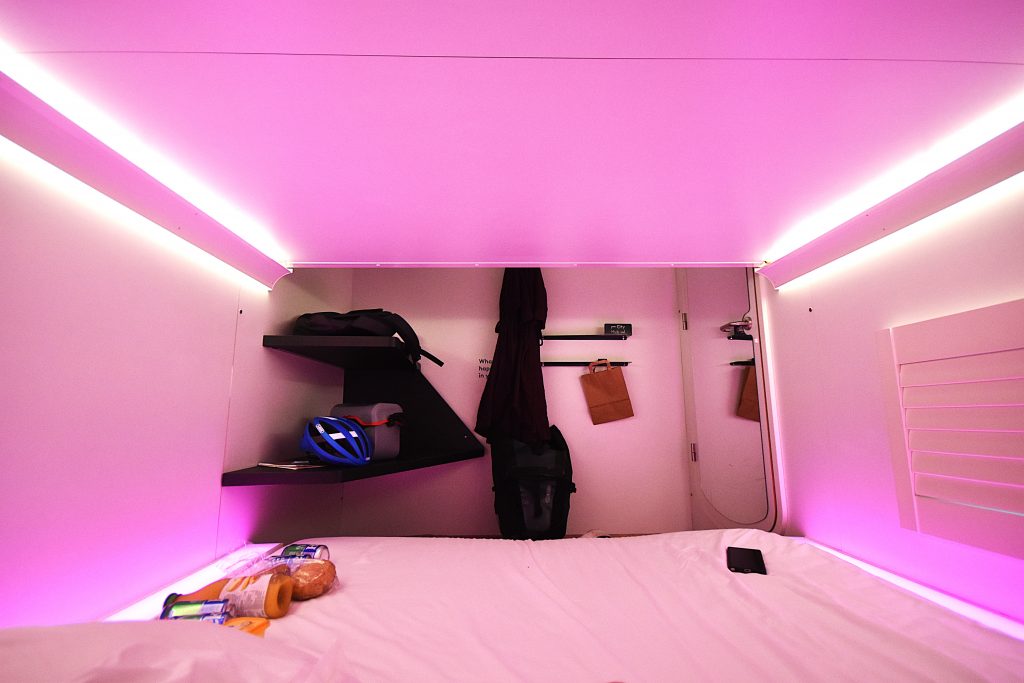
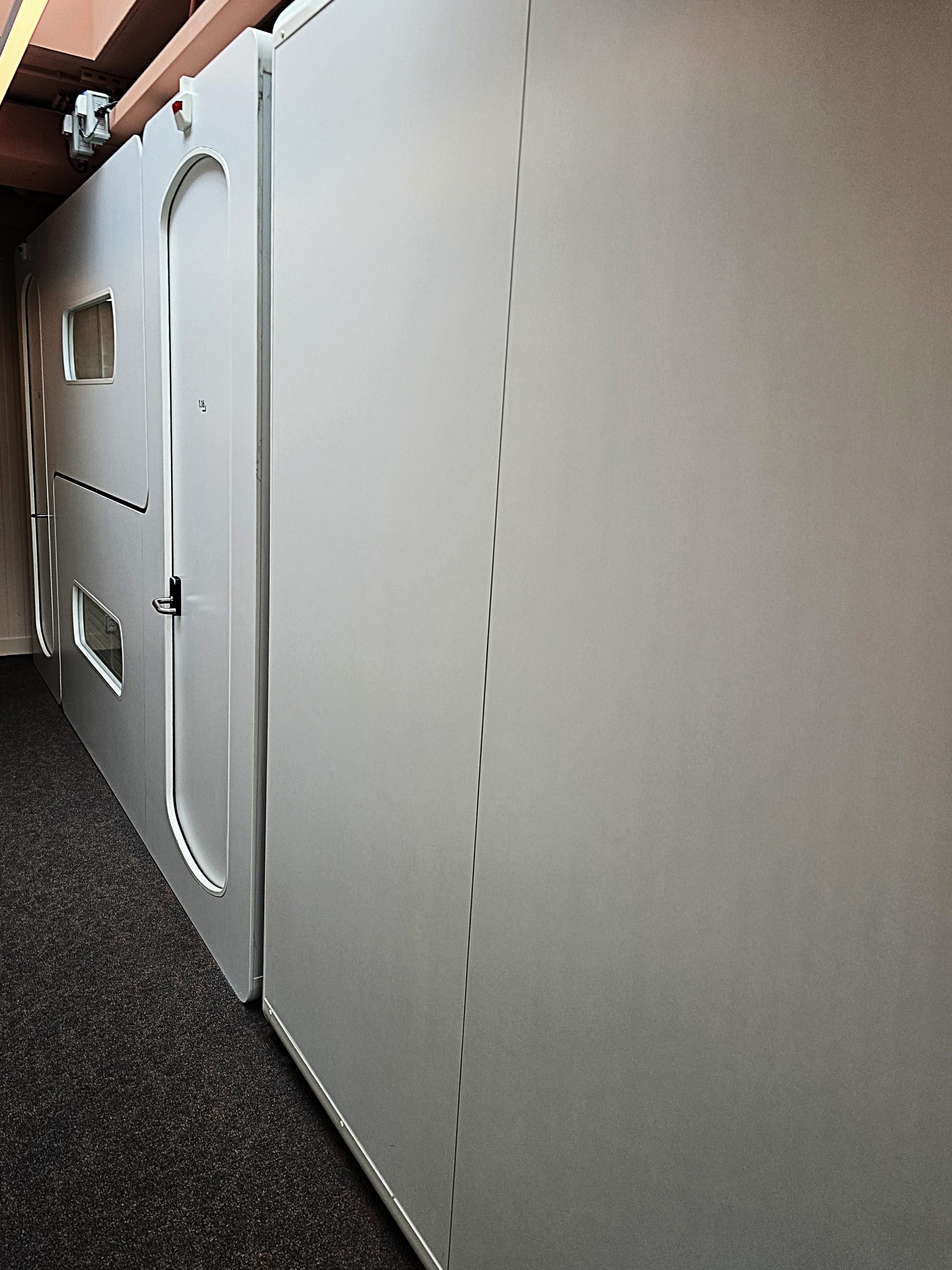
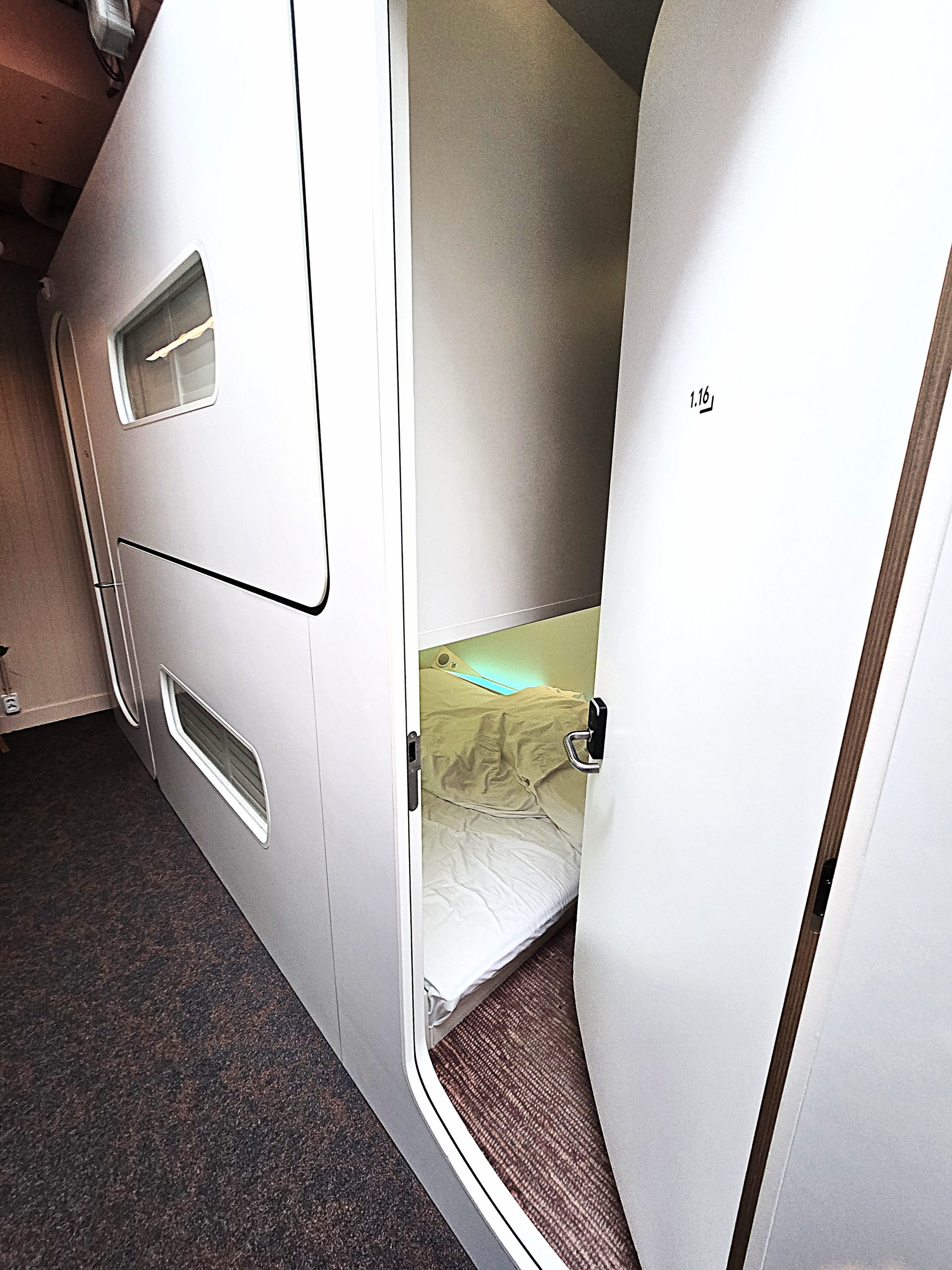
The very reasonable price for one night (I paid €57) is based on a shortage of space. The cabins are shaped like an “L,” connected in such a way that two “Ls” are pushed into each other and turn into a big box. See pictures below. Here are the measurements of one “L”: total length: 3.00 m (9.84 ft), width: 2.00 m (6.56 ft), height in the lower part of the “L”: 1.50 m (4.9 ft), higher part: 2.00 m (6.56 ft). So I could stand in a tiny spot; the rest was a very comfortable bed where I could sit upright easily. Shared bathrooms—very clean and convenient.

There’s perfectly working AC in the building and in each cabin. Enough towels, a bathrobe. Noise insulation works quite well, and the party noise I feared never occurred.
Everything perfect?
That depends on you. There’s no window, no daylight—only the clock tells you whether it’s night or day. Don’t be claustrophobic. It’s tight. Not as tight as I expected, but still.

And—on a personal note—after one night (and I slept well), I had the feeling of living in a dystopian world. Disconnected from the real world—sunlight, fresh air, street noise, and the wind that blows through the curtains of the window next to the bed.

I felt relieved when I left.

These places are becoming more and more common. They’re much more affordable—especially in the city centers of expensive European cities. They’re perfectly well organized.
And yet—I would use them only under two conditions:
A) no more than one night, and
B) only when they’re either the only option or the only affordable one.

So—yes, I love the reception desk. Even more so, I love the local at the kitchen table, willing to have a glass of wine with me.
That is what traveling is about: it’s about learning.

Liked this post? Email me to say hi and I’ll sign you up for more articles like this: send mail
location

The Railway Cathedral

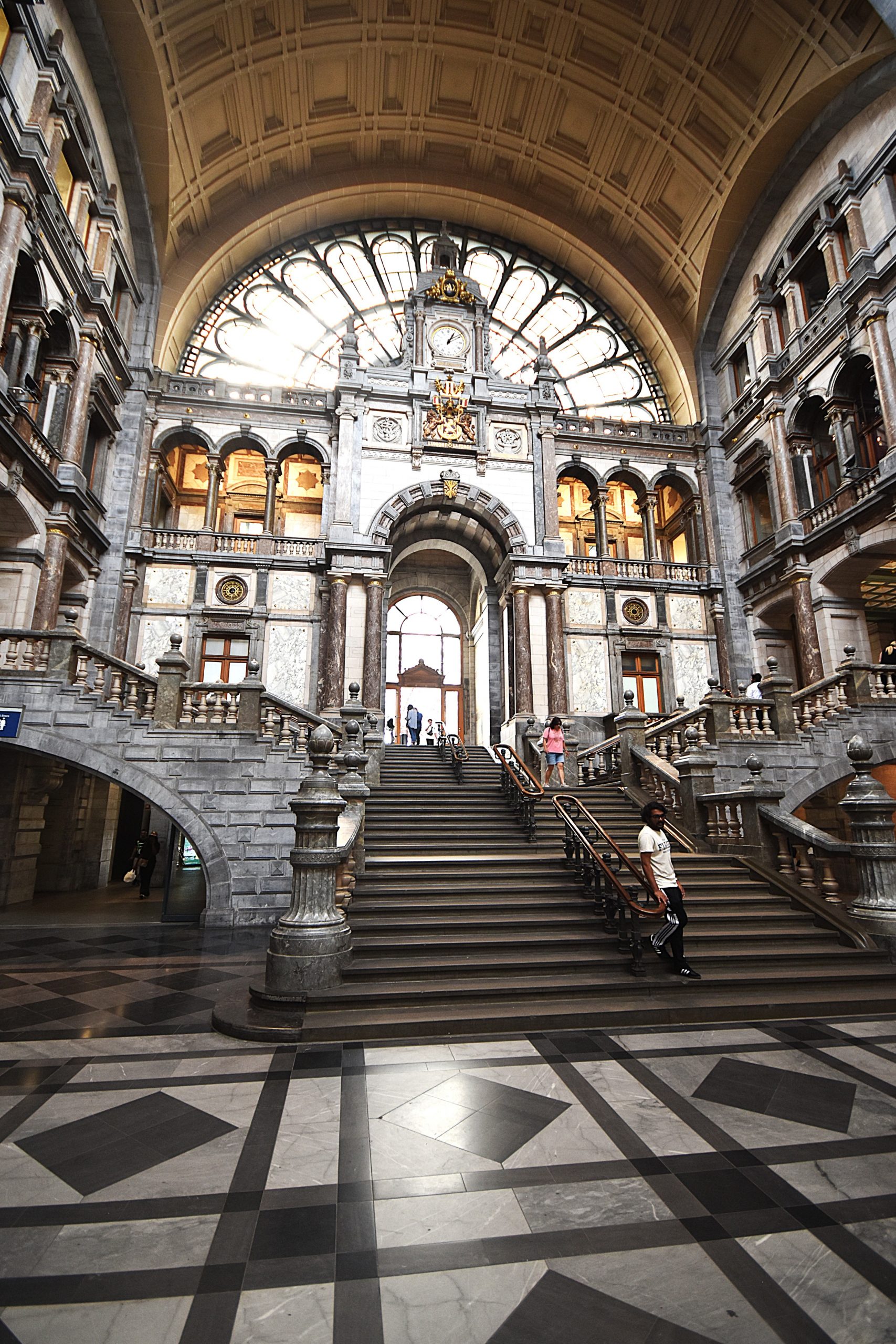
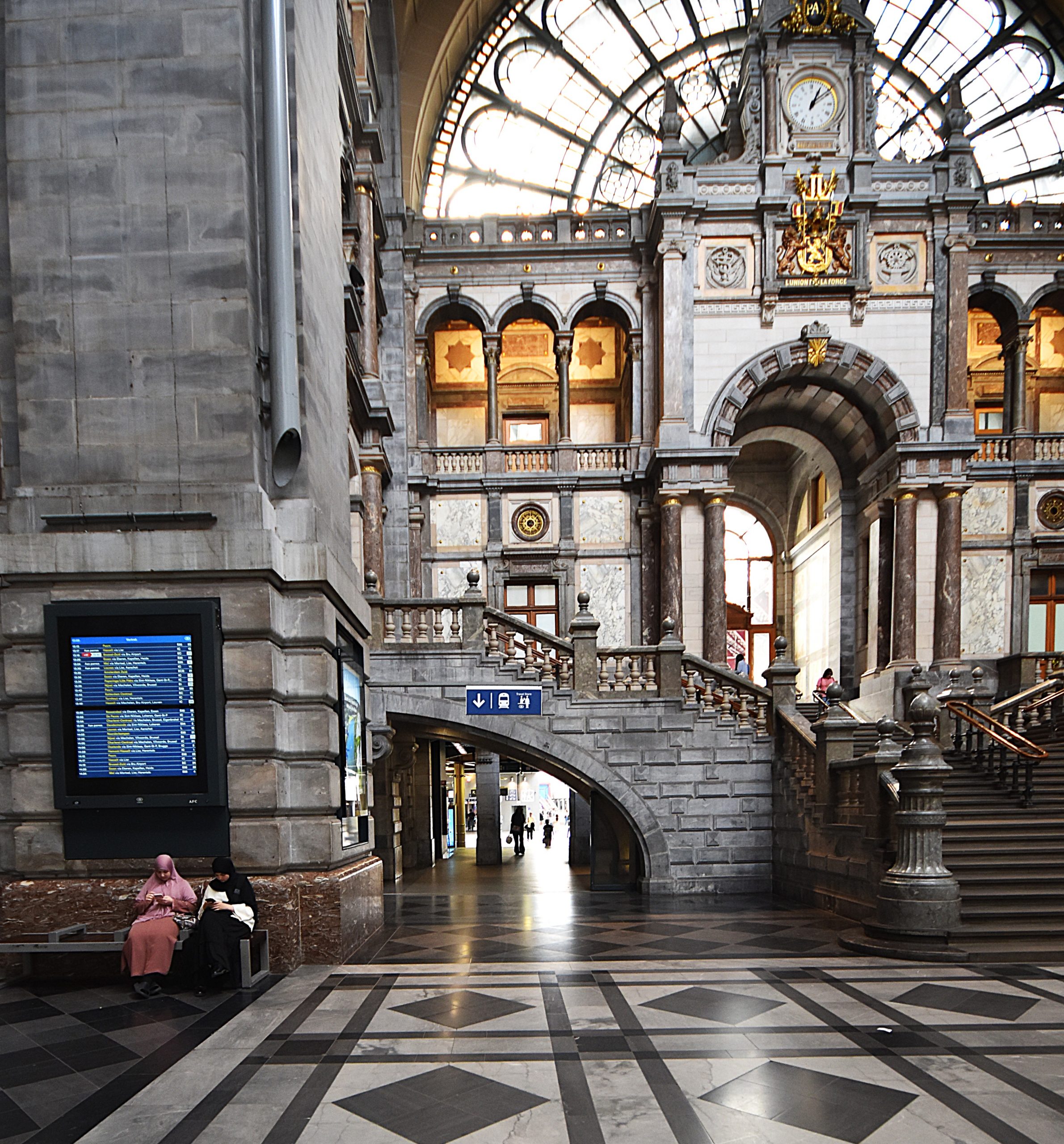
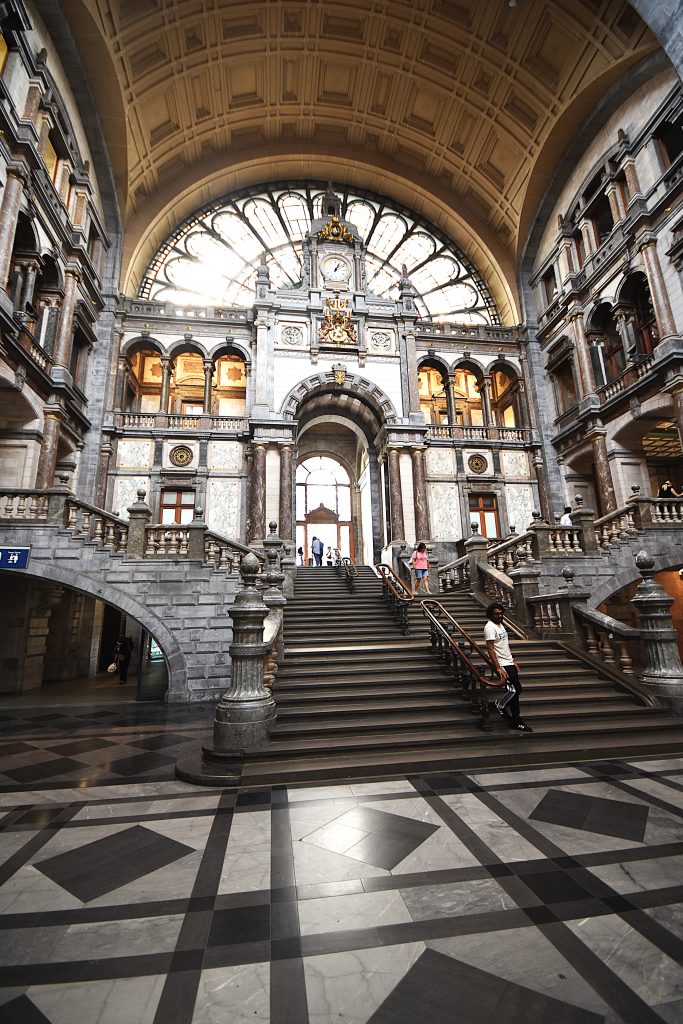
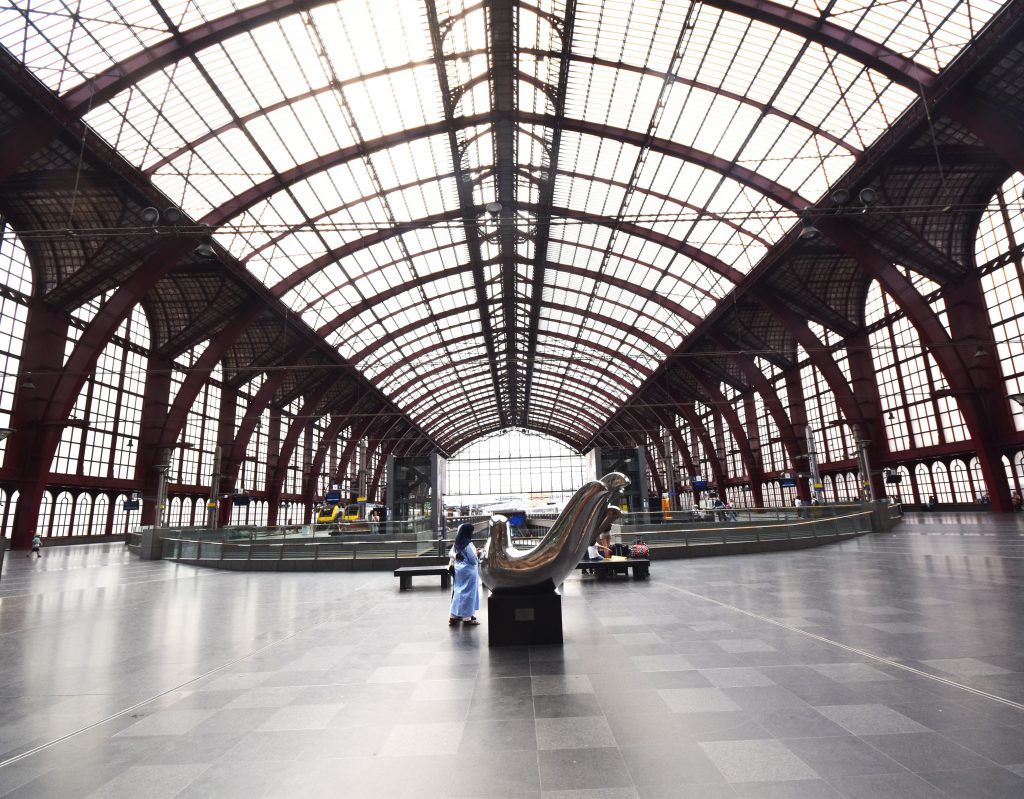
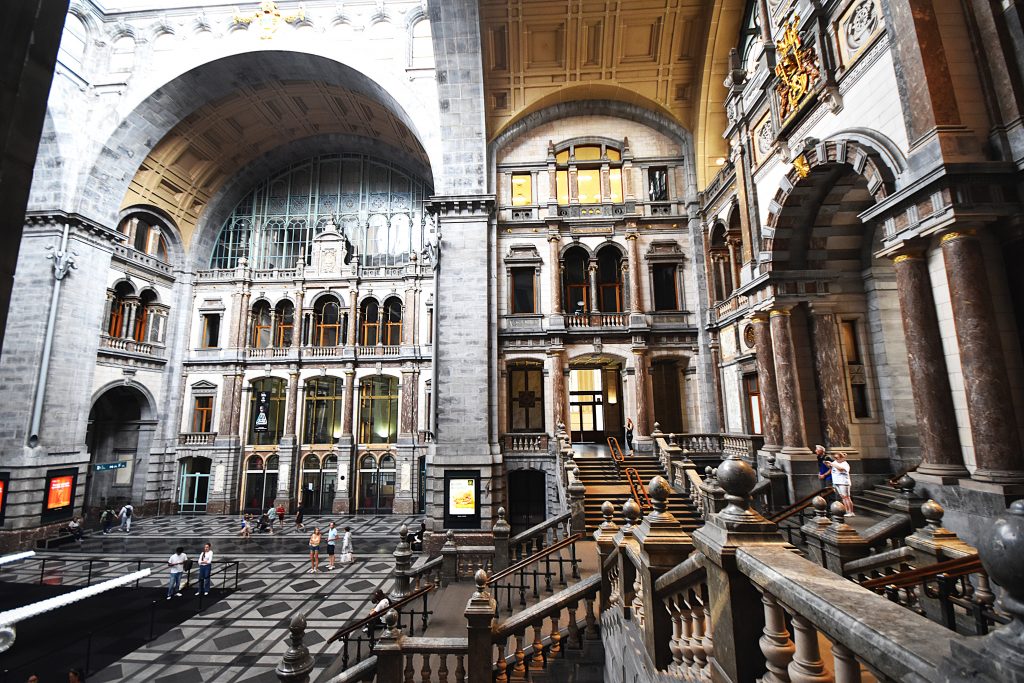
While cycling through Belgium and the Netherlands, I can’t help but admire the infrastructure here. The density of roads and bridges, industry, and bikeways (!) is amazing. Most amazing are the trains. Sooner or later, a train runs alongside the bikeway—speedy and elegant—sometimes two of them at the same time. So, obviously, there need to be stations too. The one in Antwerp, ranked No. 5 on Newsweek’s list of the “Best Stations” in the world, is an example of Belgium’s efficient infrastructure, as well as a massive statement in favor of public transportation.

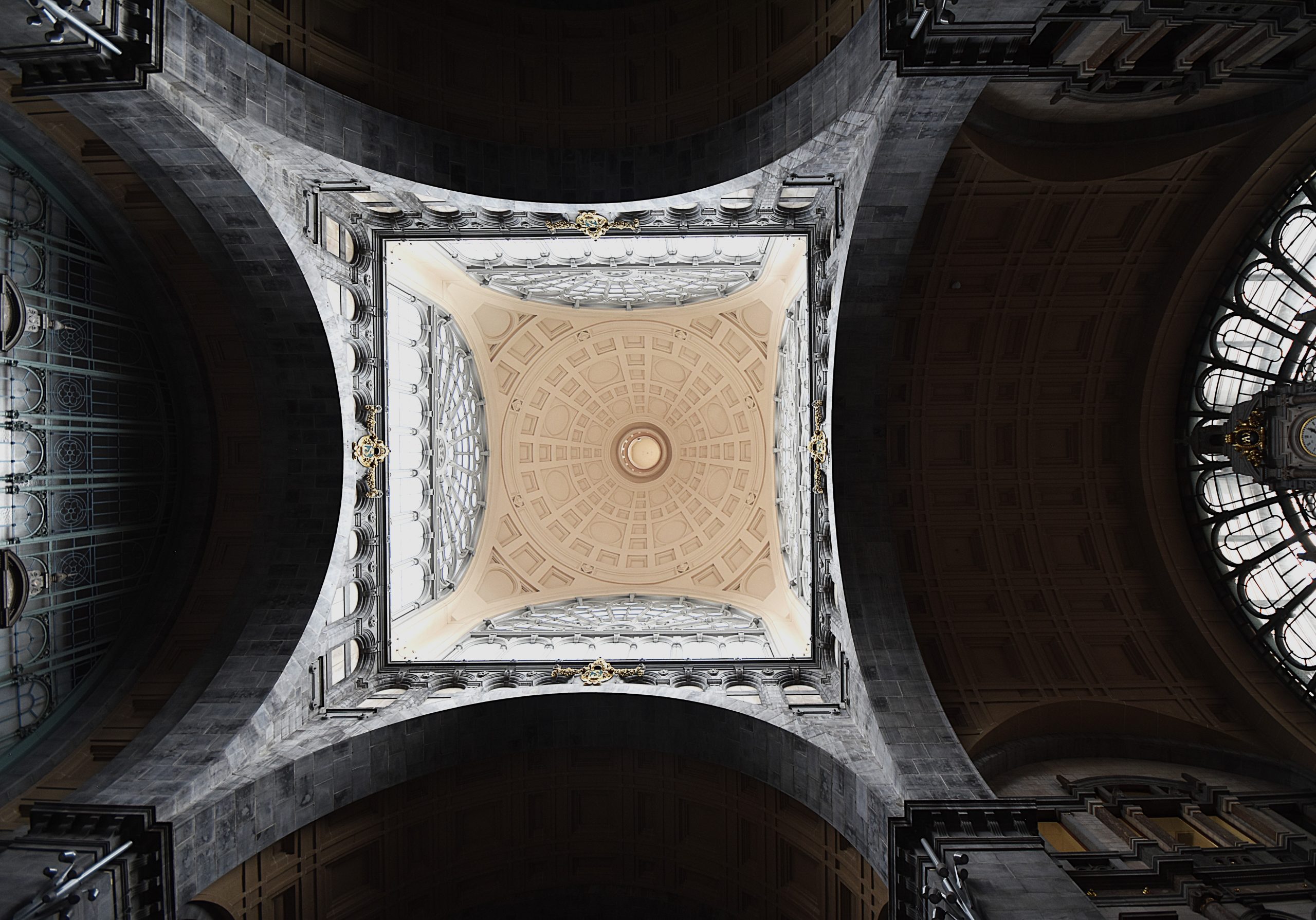
It was built at the turn of the century and opened in 1905. The main hall, with its glass roof, is 186 meters (610 feet) long and 66 meters (217 feet) wide. The entrance hall was inspired by the Pantheon in Rome; its dome is 75 meters (246 feet) high, and the locals call this impressive building Spoorwegkathedraal, which translates as “railway cathedral.” The building can be compared to Union Station in Washington D.C. in terms of size – and to Grand Central in New York in terms of its symbolic meaning.

Obviously, the size and splendor of the building reflect the enthusiasm people must have felt in 1900, when the railway system had become the heart of the Industrial Revolution and symbolized the progress people were hoping for.

Today, luckily, people seem to understand that the future is public transportation—particularly in countries like Belgium, where so many people share so little space. It seems unimaginable, and somewhat foolish, to ruin the remaining spaces by building more roads. So people embrace smart solutions, most of all (e-)bikes and public transportation. And again, the cathedral that is Antwerp’s main station has become a symbol of a new era.

Liked this post? Email me to say hi and I’ll sign you up for more articles like this: send mail
location

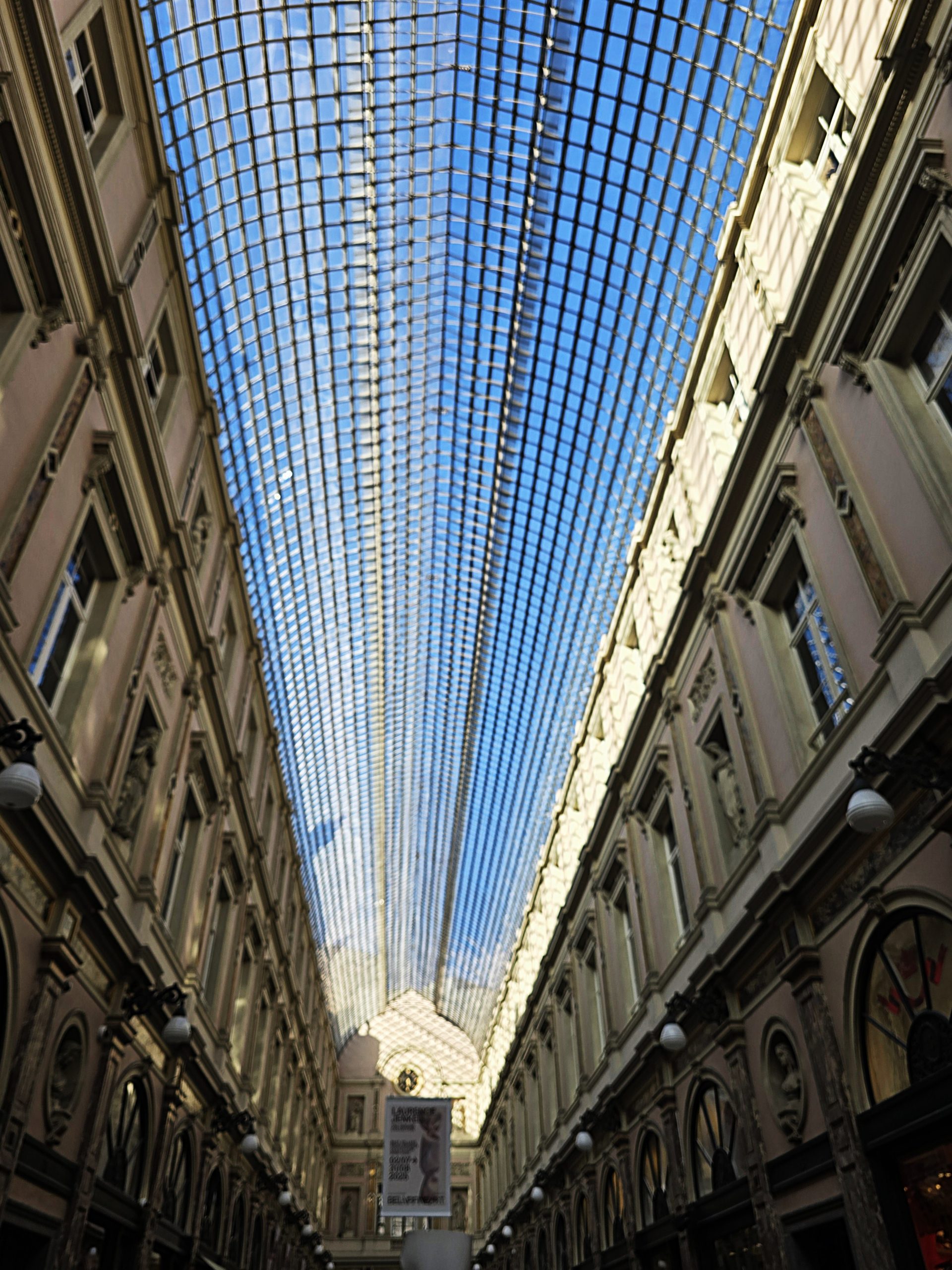
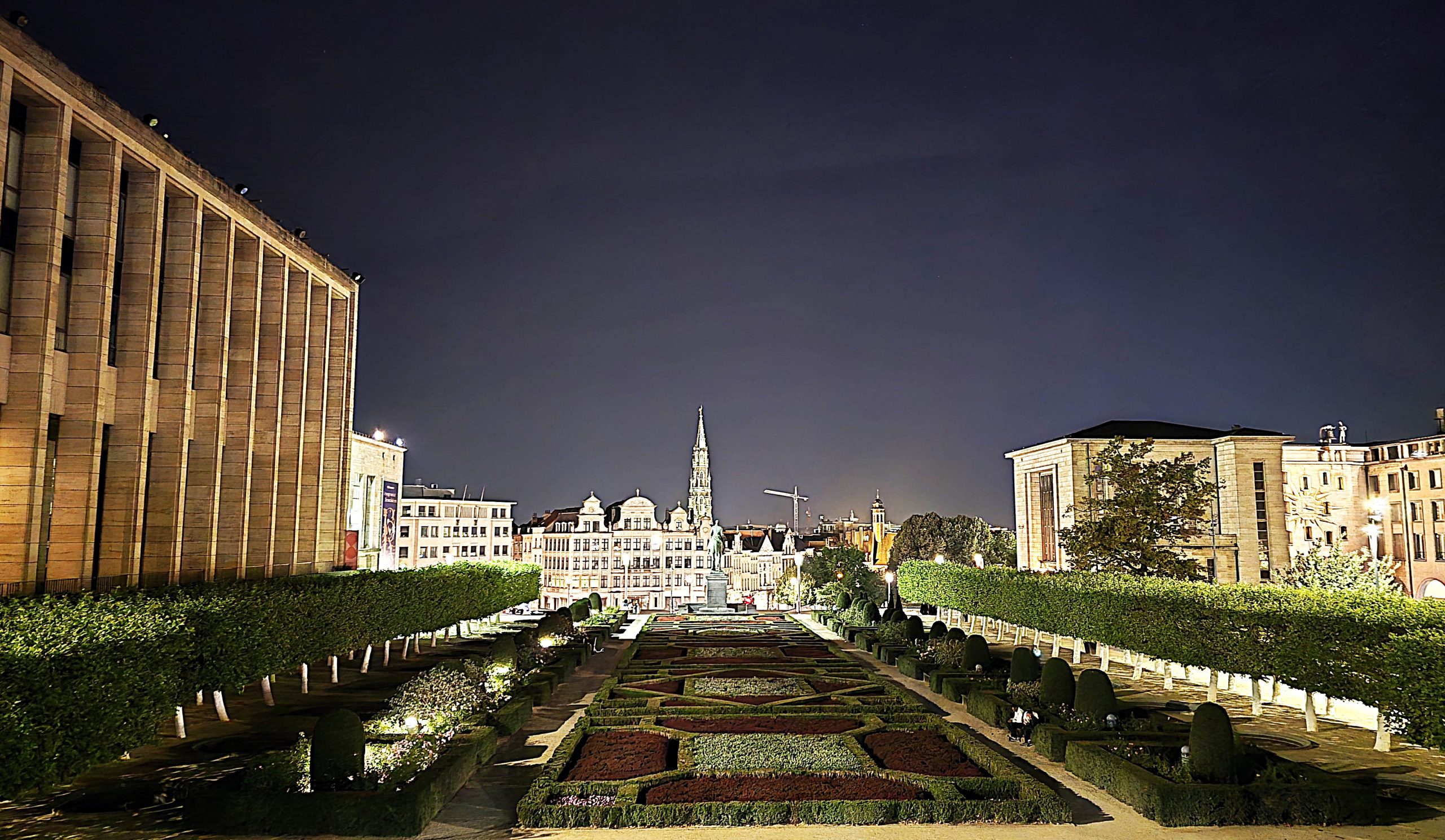
Naming the Unnamed: A Walk Through Brussels and Magritte’s Mind

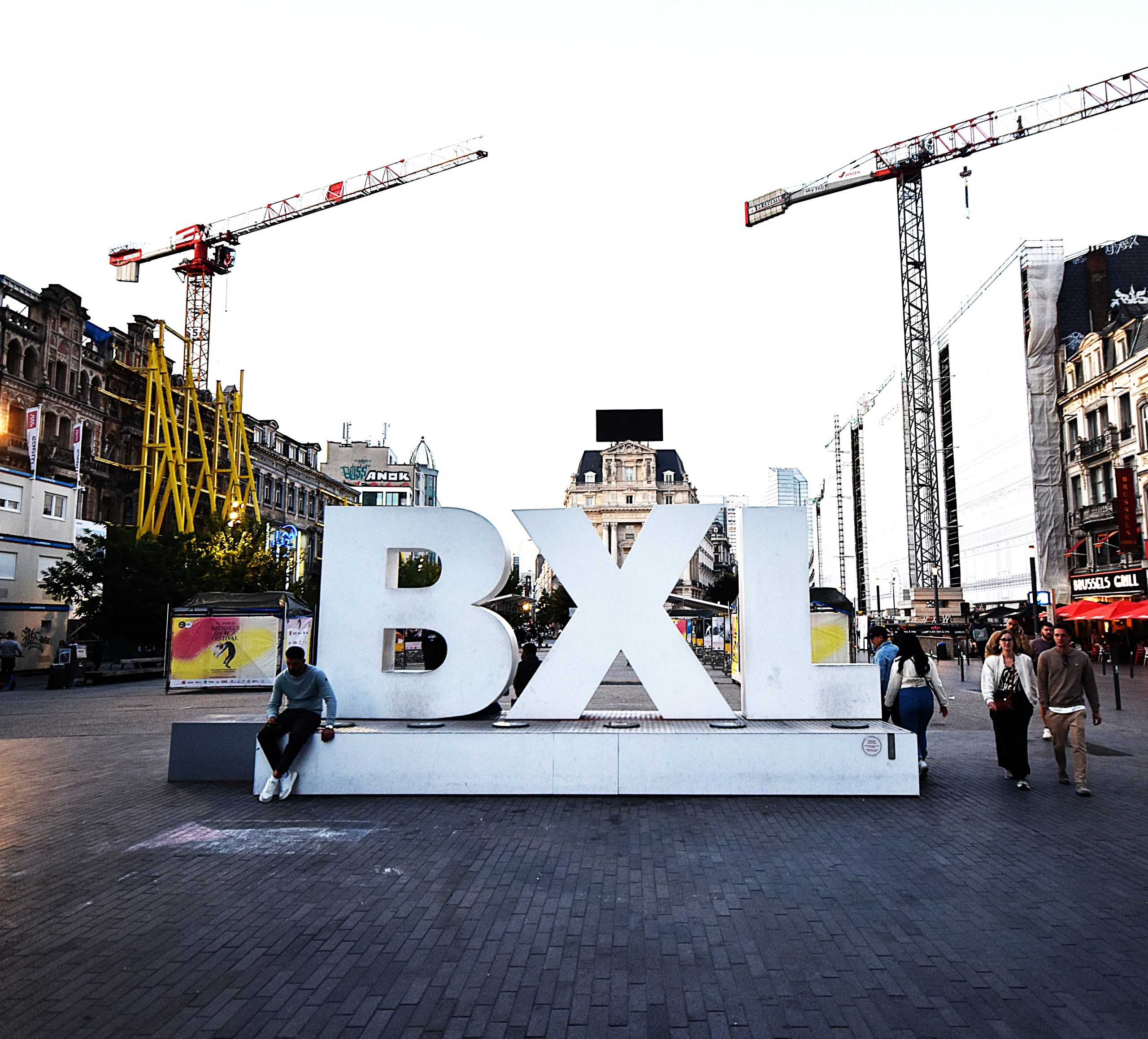
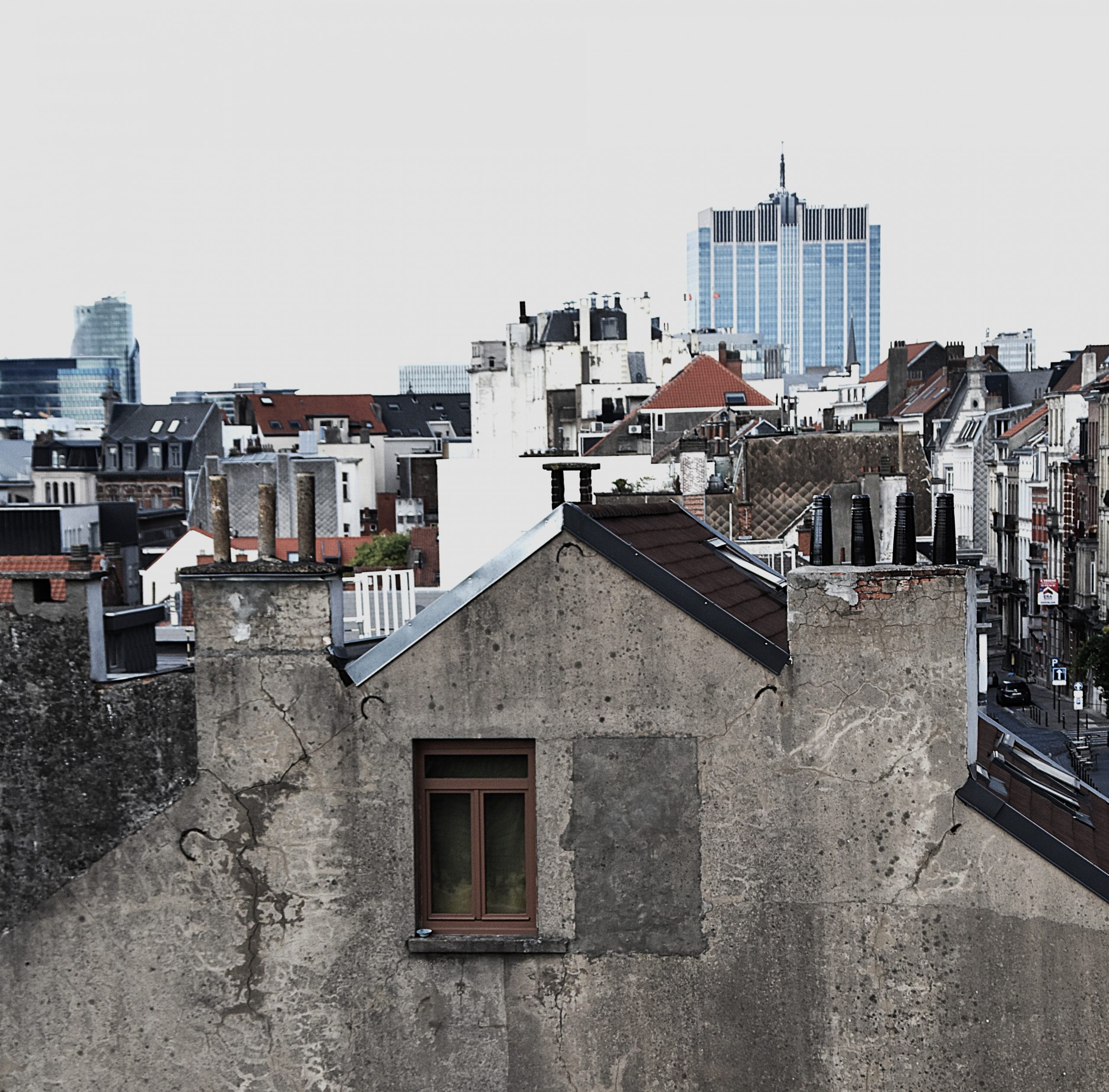
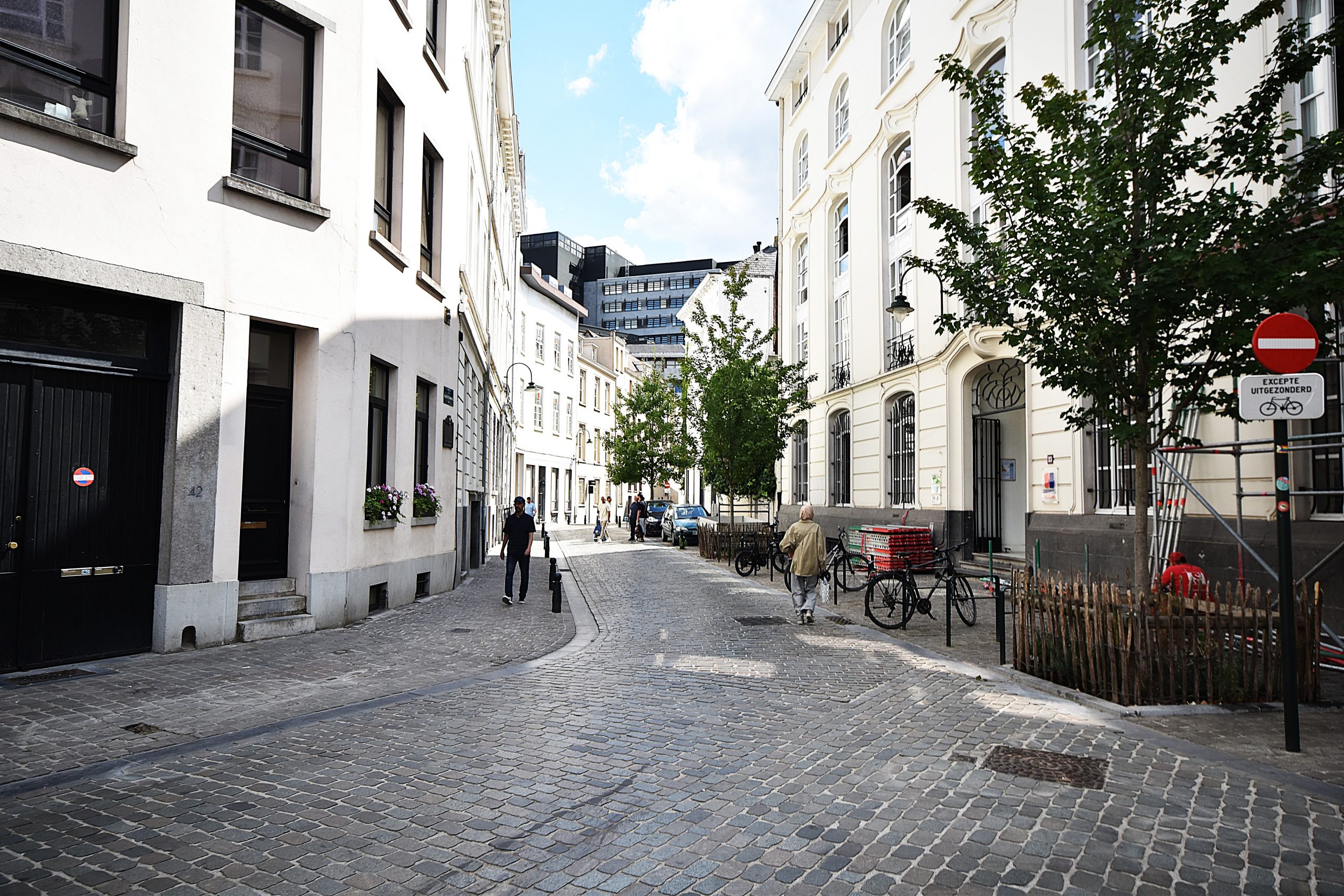
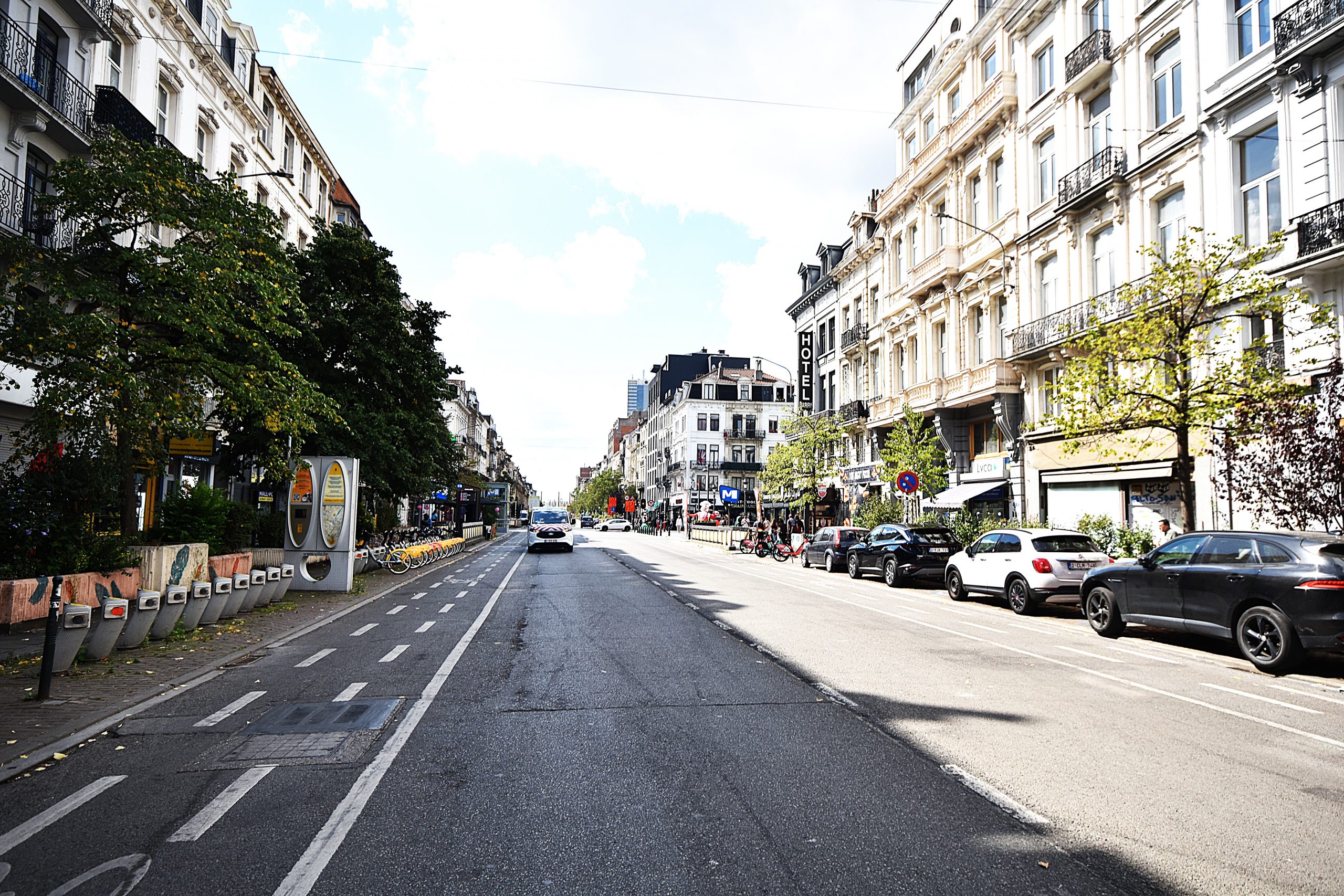
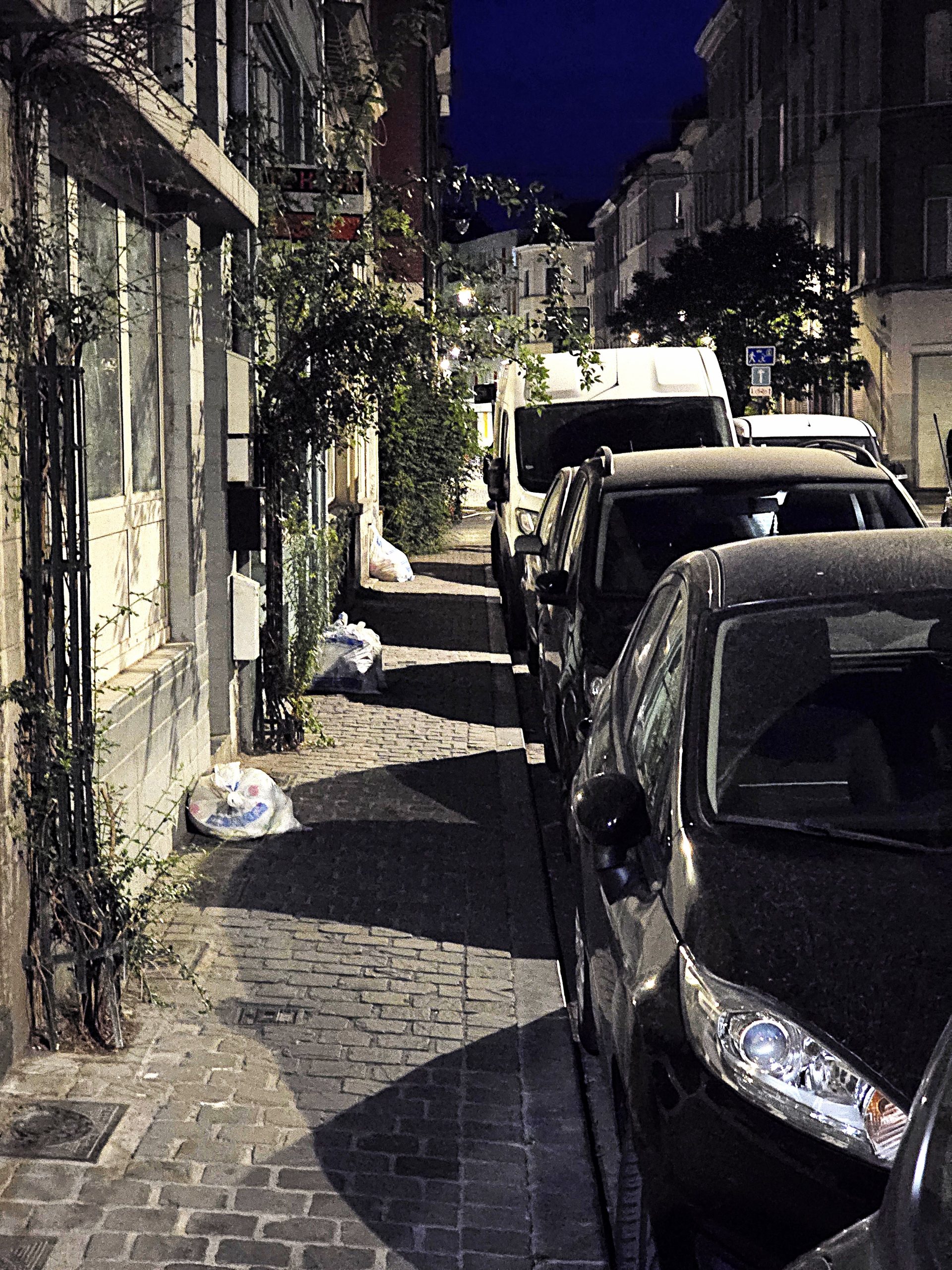
Brussels is not only the capital of Belgium — it is also a vibrant city, full of people. 1.2 million residents live here, and as can be expected, lots of tourists walk the streets. The city is a peaceful place, the streets seem calm, there is a serene atmosphere.And that is why: The inner city has hardly any roads for cars to drive on. Over the last few years, the city government has decided to pacify the city centre. That has brought a calmness to the city that is contagious. Walking Brussels is like winding down.

And then, of course, there are the chocolatiers, the fries, and no shortage of decent espresso machines.

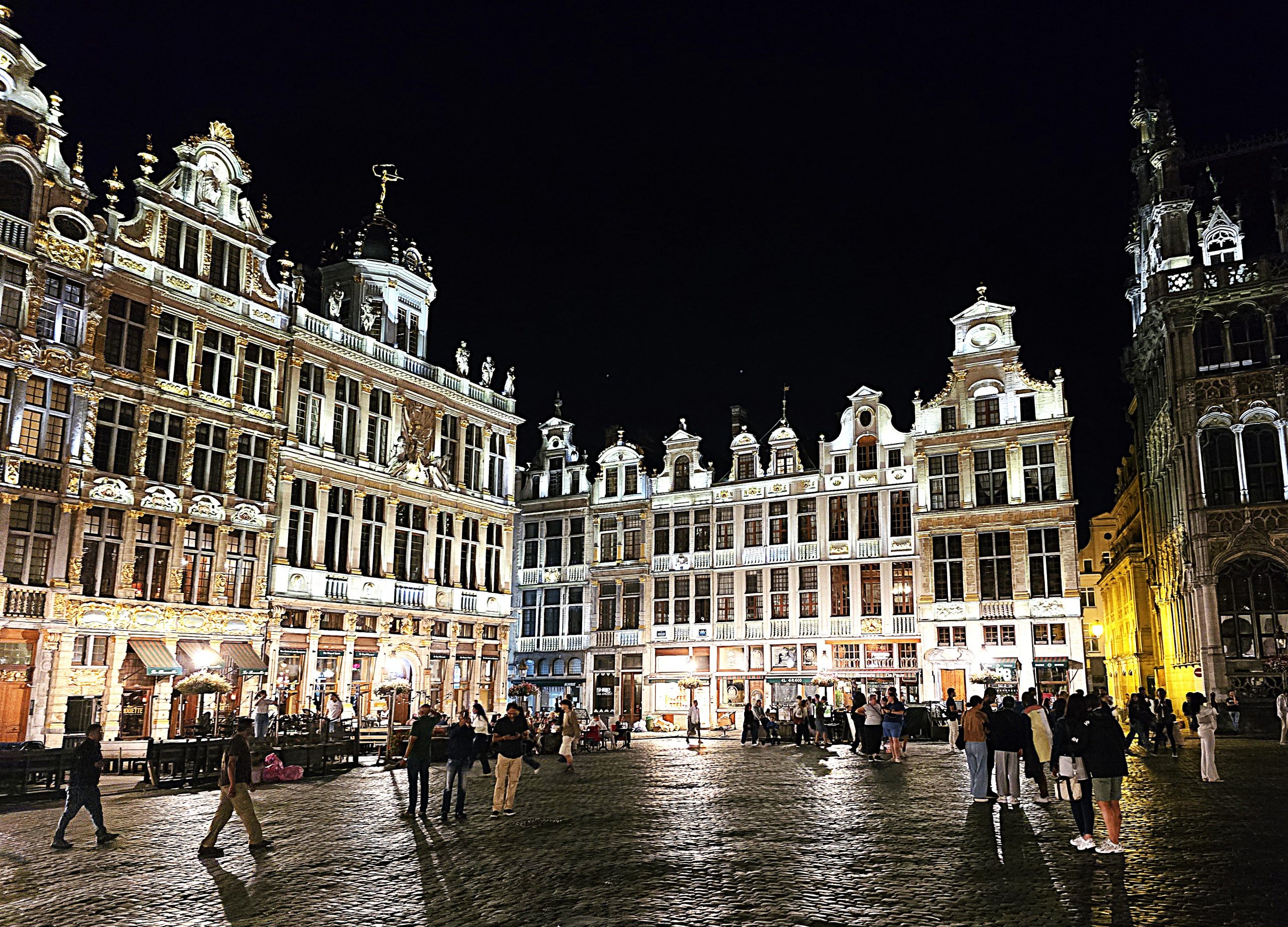
If you find the time, walk Brussels after sundown — in particular, the Grand Place is marvelous (see picture below). And there is one place everyone must visit before leaving the city: the Magritte Museum.

René Magritte (1898–1967) was a Belgian painter whose name became the symbol of an art movement called surrealism. The idea goes like this: Everything around us has a name. A table is called “table”; all things have names. Well, all things…?

And — what happens when things get new names? What happens to “reality” when names are taken away, changed, or replaced?

So Magritte painted a pipe and added the phrase “Ceci n’est pas une pipe”, telling the viewer that what they see is only an image of a pipe, not a pipe itself.

What’s the use of such useless word confusion?

Honestly, I don’t know. But surely, I know that often there are situations when not everything is said — not everything has a name. And yet, everyone can feel it: the famous “Elephant in the Room”. So surrealism can create space for suspecting the presence of things that are not present by name. And it can sabotage the established ways of communication: What is what? And, even more importantly: What has more value simply because it has another name — one with power behind it?

To give an example: Certain first names in German suggest that a person belongs to a social group considered “lesser”. Every language has these names. In German, one of them is “Kevin”. Applying for a job with that name is — unjustly — more difficult than applying as a “Martin”.

So names and words appeal to specific preconceptions in people’s minds, thus establishing a version of reality that needs to be questioned. Magritte turned these abstract ideas into realistic — and still deeply unsettling — paintings.

Go there. It might change your conception of “reality”.

Liked this post? Email me to say hi and I’ll sign you up for more articles like this: send mail
location Magritte Museum in Brussels

Belgium – a Broken Country?

link to map

I guess most people know where France is, or Germany, or Spain. But where is Belgium? In Europe? And even though I knew where Belgium was, I had never been there. There were a few things I believed I knew about Belgium. In short: chocolate, beer, fries, and political chaos. Turns out: all true—and yet, as always, not as simple as those words might suggest.

I had the privilege of talking to natives here in Belgium. They love their country, and yet they complain about its complexity.

This complexity has a lot to do with the languages officially spoken in Belgium—Dutch, French, and German. And there are three territories where the speakers of these languages live: the country (about the size of Maryland) is divided into a French-speaking south (red on the map), a Dutch-speaking north (orange on the map), and a tiny minority of German-speaking Belgians in the east (green on the map). And in Brussels (the striped dot on the map), the capital, both French and Dutch are spoken.

In Brussels, the language issue becomes especially obvious: there is “la Friture” and there is “Frituur”—two names for the same place, the place where one can get those amazing Belgian fries. Just make sure never to order “French fries”—the Belgians insist they invented fries. And it’s true: Belgian fries are special because they are deep-fried twice. And that really does make a difference—I’ve never had fries as crispy as those!

Anyway, back to the division of the country: The three areas have their own governments and administrations, plus there is a federal government that is supposed to mediate the often difficult relationships between the regions. As a result, decisions of any kind are often not made at all—or made very late—they just can’t agree. The regions insist on their autonomy, especially when it comes to language.

Here’s an example: there was once a train conductor who made announcements in Dutch and French, while the train was passing through the Dutch-speaking part of the country. One of the passengers felt offended by the use of French and sued. A court ruled that the conductor had to change his language when in the Dutch-speaking part of the country—no announcements in French. That’s particularly problematic if a passenger who only speaks French (quite a few Belgians speak only one language) doesn’t get the info they need—in fact, the conductor is not allowed to inform the passenger in the only language he or she understands.

Sounds like a broken country? Well, it’s not. The infrastructure works just fine, public transport is excellent, and there is industry and business everywhere.

And Belgians are very friendly people, always helpful and—in an interesting way—happy to be Belgian. They talk about their country as being open-minded and cosmopolitan, and the vast majority sees the ongoing animosities between the different parts as a nuisance—often exploited by politicians to stir people up—but they don’t take it too seriously.

And don’t forget: the fries, the chocolate, and the beer are just amazing… .

Liked this post? Email me to say hi and I’ll sign you up for more articles like this: send mail
« Older posts Newer posts »

© 2026 worldgestalt

Theme by Anders NorenUp ↑